
To Whom It May Concern Letter Template
To Whom It May Concern Letter Template - Who refers to someone performing the action of a verb (e.g. Imagine the missing person in the. Many english learners, even native speakers, struggle with choosing between who and whom. Do you know how to use who and whom correctly in a sentence? The objective case of who. In order to understand the difference between who and whom, you must know the difference between the subject of a verb and the object of a verb. Use this they/them method to decide whether who or whom is correct. Whom—which word should you use? If you're new to grammar and don't know. Who is the subject of a sentence or clause (who is performing the action), whereas whom is the object of a verb or preposition (whom is affected by the action). “whom” is also used after prepositions, such as in phrases like “to whom,” “with whom,” and “for whom.” correct use of these pronouns demonstrates a strong command of english and is. Below we share three tricks for how to figure out whether who or whom is correct. Whom—which word should you use? Who is the subject of a sentence or. We use whom to refer to people in formal styles or in writing, when the person is the object of the verb. Who is the subject of a sentence or clause (who is performing the action), whereas whom is the object of a verb or preposition (whom is affected by the action). Use this they/them method to decide whether who. “whom” is also used after prepositions, such as in phrases like “to whom,” “with whom,” and “for whom.” correct use of these pronouns demonstrates a strong command of english and is. Whom—which word should you use? Use this they/them method to decide whether who or whom is correct. We don’t use it very often and we use it more commonly. Use this they/them method to decide whether who or whom is correct. Do you know how to use who and whom correctly in a sentence? Who is the subject of a sentence or clause (who is performing the action), whereas whom is the object of a verb or preposition (whom is affected by the action). Many english learners, even native. Who refers to someone performing the action of a verb (e.g. We use whom to refer to people in formal styles or in writing, when the person is the object of the verb. Learn how to determine their use in this article. See examples of whom used in a sentence. Use this they/them method to decide whether who or whom. In order to understand the difference between who and whom, you must know the difference between the subject of a verb and the object of a verb. We don’t use it very often and we use it more commonly in writing than in speaking. Do you know how to use who and whom correctly in a sentence? Below we share. “whom” is also used after prepositions, such as in phrases like “to whom,” “with whom,” and “for whom.” correct use of these pronouns demonstrates a strong command of english and is. Who refers to someone performing the action of a verb (e.g. Do you know how to use who and whom correctly in a sentence? Learn how to determine their. “whom” is also used after prepositions, such as in phrases like “to whom,” “with whom,” and “for whom.” correct use of these pronouns demonstrates a strong command of english and is. Use this they/them method to decide whether who or whom is correct. The objective case of who. In order to understand the difference between who and whom, you must. Whom—which word should you use? Learn how to determine their use in this article. We use whom to refer to people in formal styles or in writing, when the person is the object of the verb. Who is the subject of a sentence or clause (who is performing the action), whereas whom is the object of a verb or preposition. We don’t use it very often and we use it more commonly in writing than in speaking. The objective case of who. See examples of whom used in a sentence. “whom” is also used after prepositions, such as in phrases like “to whom,” “with whom,” and “for whom.” correct use of these pronouns demonstrates a strong command of english and. Learn how to determine their use in this article. In order to understand the difference between who and whom, you must know the difference between the subject of a verb and the object of a verb. Who is the subject of a sentence or clause (who is performing the action), whereas whom is the object of a verb or preposition. We don’t use it very often and we use it more commonly in writing than in speaking. Learn how to determine their use in this article. Who is the subject of a sentence or clause (who is performing the action), whereas whom is the object of a verb or preposition (whom is affected by the action). See examples of whom. Below we share three tricks for how to figure out whether who or whom is correct. Imagine the missing person in the. In order to understand the difference between who and whom, you must know the difference between the subject of a verb and the object of a verb. Whom—which word should you use? Who refers to someone performing the. Who refers to someone performing the action of a verb (e.g. Below we share three tricks for how to figure out whether who or whom is correct. In order to understand the difference between who and whom, you must know the difference between the subject of a verb and the object of a verb. But in more formal contexts and. We use whom to refer to people in formal styles or in writing, when the person is the object of the verb. Below we share three tricks for how to figure out whether who or whom is correct. If you're new to grammar and don't know. Do you know how to use who and whom correctly in a sentence? “whom”. Use this they/them method to decide whether who or whom is correct. We don’t use it very often and we use it more commonly in writing than in speaking. Whom—which word should you use? Many english learners, even native speakers, struggle with choosing between who and whom. The objective case of who. Use this they/them method to decide whether who or whom is correct. “whom” is also used after prepositions, such as in phrases like “to whom,” “with whom,” and “for whom.” correct use of these pronouns demonstrates a strong command of english and is. The objective case of who. But in more formal contexts and to be grammatically correct, that first. We use whom to refer to people in formal styles or in writing, when the person is the object of the verb. We don’t use it very often and we use it more commonly in writing than in speaking. “whom” is also used after prepositions, such as in phrases like “to whom,” “with whom,” and “for whom.” correct use of. See examples of whom used in a sentence. If you're new to grammar and don't know. Who refers to someone performing the action of a verb (e.g. Use this they/them method to decide whether who or whom is correct. We use whom to refer to people in formal styles or in writing, when the person is the object of the. Imagine the missing person in the. We use whom to refer to people in formal styles or in writing, when the person is the object of the verb. See examples of whom used in a sentence. Use this they/them method to decide whether who or whom is correct. Whom—which word should you use? Imagine the missing person in the. “whom” is also used after prepositions, such as in phrases like “to whom,” “with whom,” and “for whom.” correct use of these pronouns demonstrates a strong command of english and is. But in more formal contexts and to be grammatically correct, that first who should be whom. Who refers to someone performing the action. Who refers to someone performing the action of a verb (e.g. Whom—which word should you use? We use whom to refer to people in formal styles or in writing, when the person is the object of the verb. We don’t use it very often and we use it more commonly in writing than in speaking. Below we share three tricks. We don’t use it very often and we use it more commonly in writing than in speaking. Imagine the missing person in the. But in more formal contexts and to be grammatically correct, that first who should be whom. Who is the subject of a sentence or clause (who is performing the action), whereas whom is the object of a. Whom—which word should you use? “whom” is also used after prepositions, such as in phrases like “to whom,” “with whom,” and “for whom.” correct use of these pronouns demonstrates a strong command of english and is. But in more formal contexts and to be grammatically correct, that first who should be whom. In order to understand the difference between who. Who refers to someone performing the action of a verb (e.g. Do you know how to use who and whom correctly in a sentence? Below we share three tricks for how to figure out whether who or whom is correct. We don’t use it very often and we use it more commonly in writing than in speaking. See examples of. We use whom to refer to people in formal styles or in writing, when the person is the object of the verb. Below we share three tricks for how to figure out whether who or whom is correct. Whom—which word should you use? But in more formal contexts and to be grammatically correct, that first who should be whom. Do. Imagine the missing person in the. Use this they/them method to decide whether who or whom is correct. Learn how to determine their use in this article. The objective case of who. Whom—which word should you use? Do you know how to use who and whom correctly in a sentence? Learn how to determine their use in this article. In order to understand the difference between who and whom, you must know the difference between the subject of a verb and the object of a verb. We don’t use it very often and we use it more. Many english learners, even native speakers, struggle with choosing between who and whom. We use whom to refer to people in formal styles or in writing, when the person is the object of the verb. Learn how to determine their use in this article. See examples of whom used in a sentence. Use this they/them method to decide whether who. Whom—which word should you use? But in more formal contexts and to be grammatically correct, that first who should be whom. Who refers to someone performing the action of a verb (e.g. Use this they/them method to decide whether who or whom is correct. We don’t use it very often and we use it more commonly in writing than in. Use this they/them method to decide whether who or whom is correct. Below we share three tricks for how to figure out whether who or whom is correct. “whom” is also used after prepositions, such as in phrases like “to whom,” “with whom,” and “for whom.” correct use of these pronouns demonstrates a strong command of english and is. Who. See examples of whom used in a sentence. In order to understand the difference between who and whom, you must know the difference between the subject of a verb and the object of a verb. We use whom to refer to people in formal styles or in writing, when the person is the object of the verb. Who is the. But in more formal contexts and to be grammatically correct, that first who should be whom. If you're new to grammar and don't know. Who is the subject of a sentence or clause (who is performing the action), whereas whom is the object of a verb or preposition (whom is affected by the action). Use this they/them method to decide. We use whom to refer to people in formal styles or in writing, when the person is the object of the verb. Who is the subject of a sentence or clause (who is performing the action), whereas whom is the object of a verb or preposition (whom is affected by the action). In order to understand the difference between who. The objective case of who. If you're new to grammar and don't know. We use whom to refer to people in formal styles or in writing, when the person is the object of the verb. See examples of whom used in a sentence. Use this they/them method to decide whether who or whom is correct. In order to understand the difference between who and whom, you must know the difference between the subject of a verb and the object of a verb. “whom” is also used after prepositions, such as in phrases like “to whom,” “with whom,” and “for whom.” correct use of these pronouns demonstrates a strong command of english and is. Learn how to determine their use in this article. We use whom to refer to people in formal styles or in writing, when the person is the object of the verb. We don’t use it very often and we use it more commonly in writing than in speaking. The objective case of who. Do you know how to use who and whom correctly in a sentence? Many english learners, even native speakers, struggle with choosing between who and whom. Use this they/them method to decide whether who or whom is correct. Who refers to someone performing the action of a verb (e.g. Below we share three tricks for how to figure out whether who or whom is correct. Whom—which word should you use? If you're new to grammar and don't know.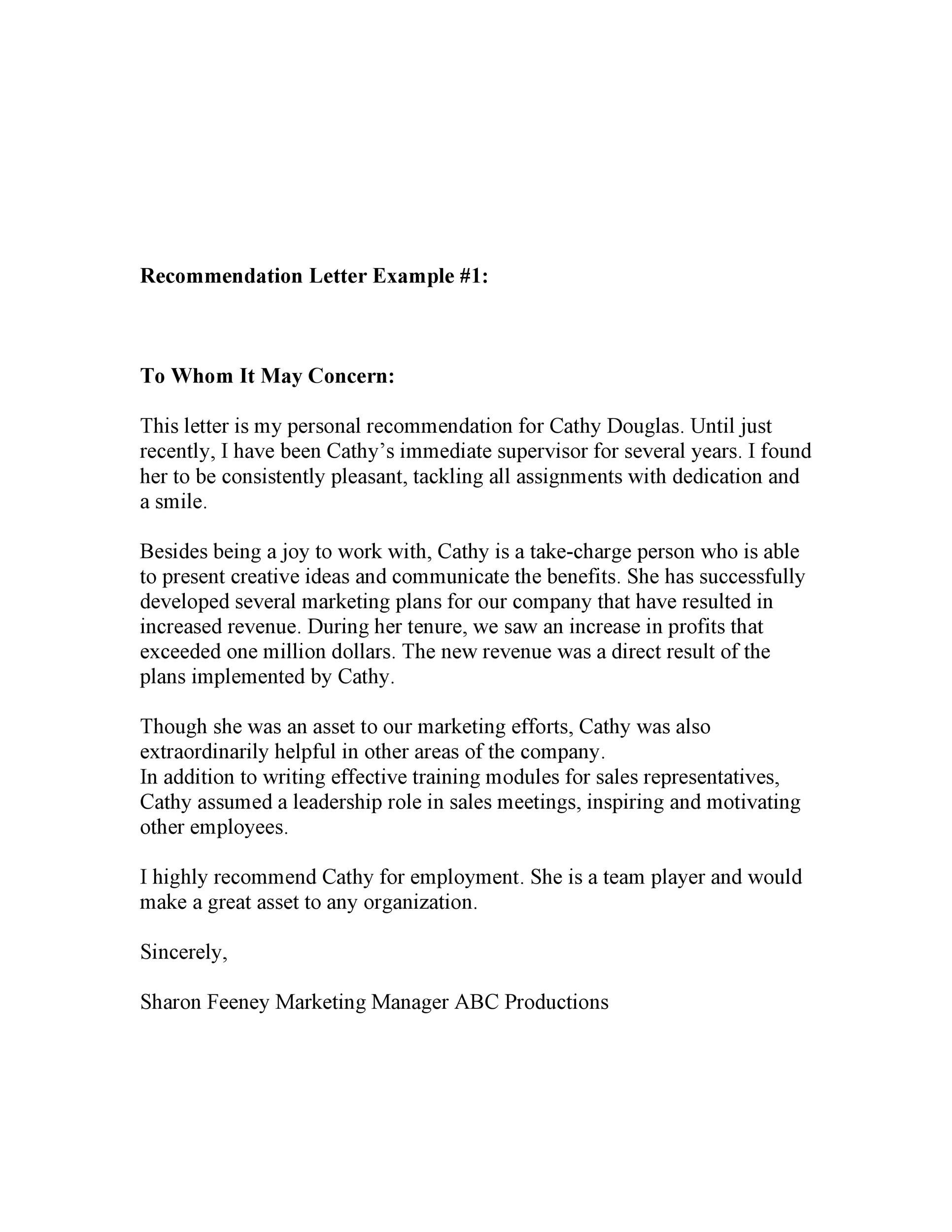
50 To Whom It May Concern Letter & Email Templates ᐅ TemplateLab
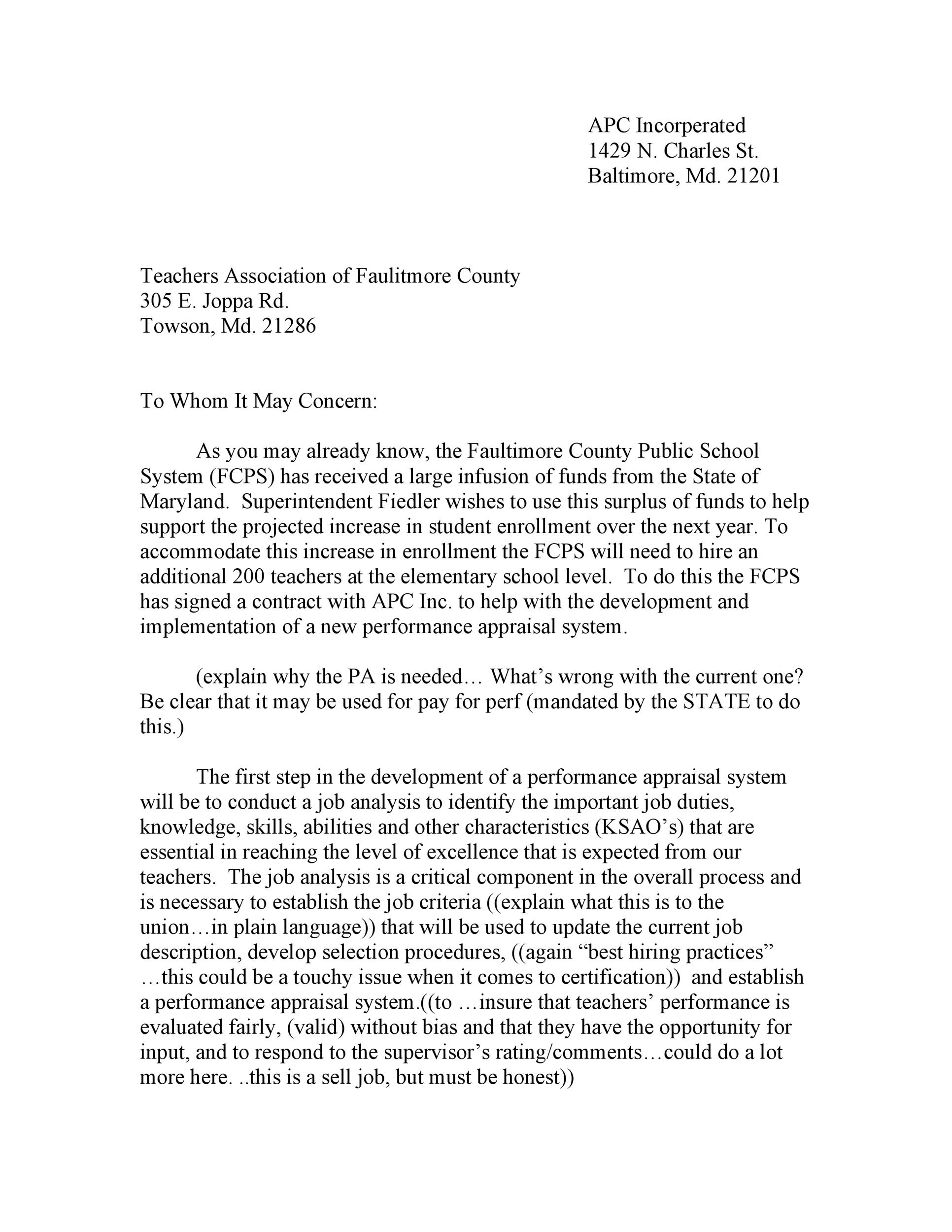
50 To Whom It May Concern Letter & Email Templates ᐅ TemplateLab
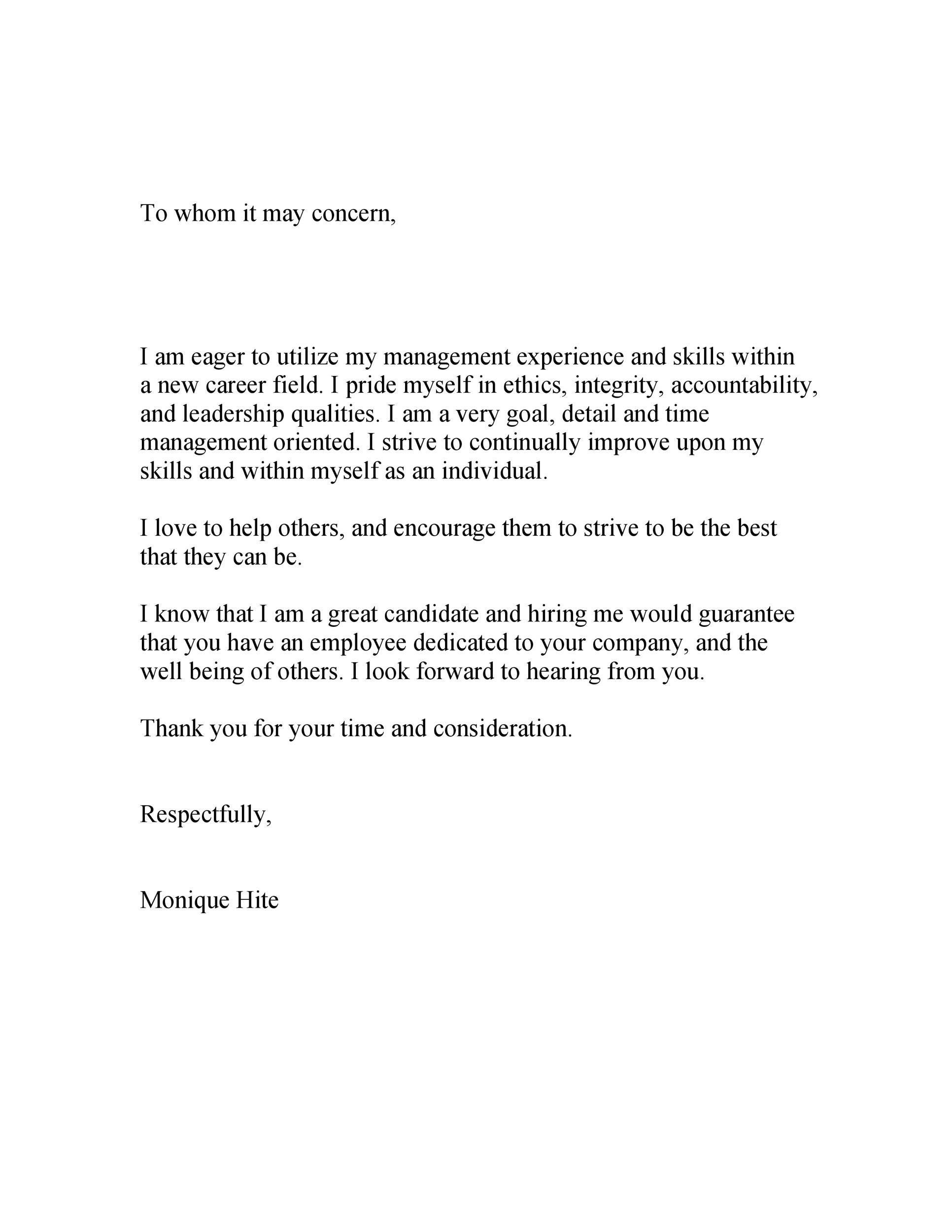
Letter Format Examples To Whom It May Concern Printable Free Templates
![Free Printable 'To Whom It May Concern' Cover Letter Template [PDF & Word]](https://www.typecalendar.com/wp-content/uploads/2023/05/to-whom-it-may-concern-letter-template.jpg)
Free Printable 'To Whom It May Concern' Cover Letter Template [PDF & Word]
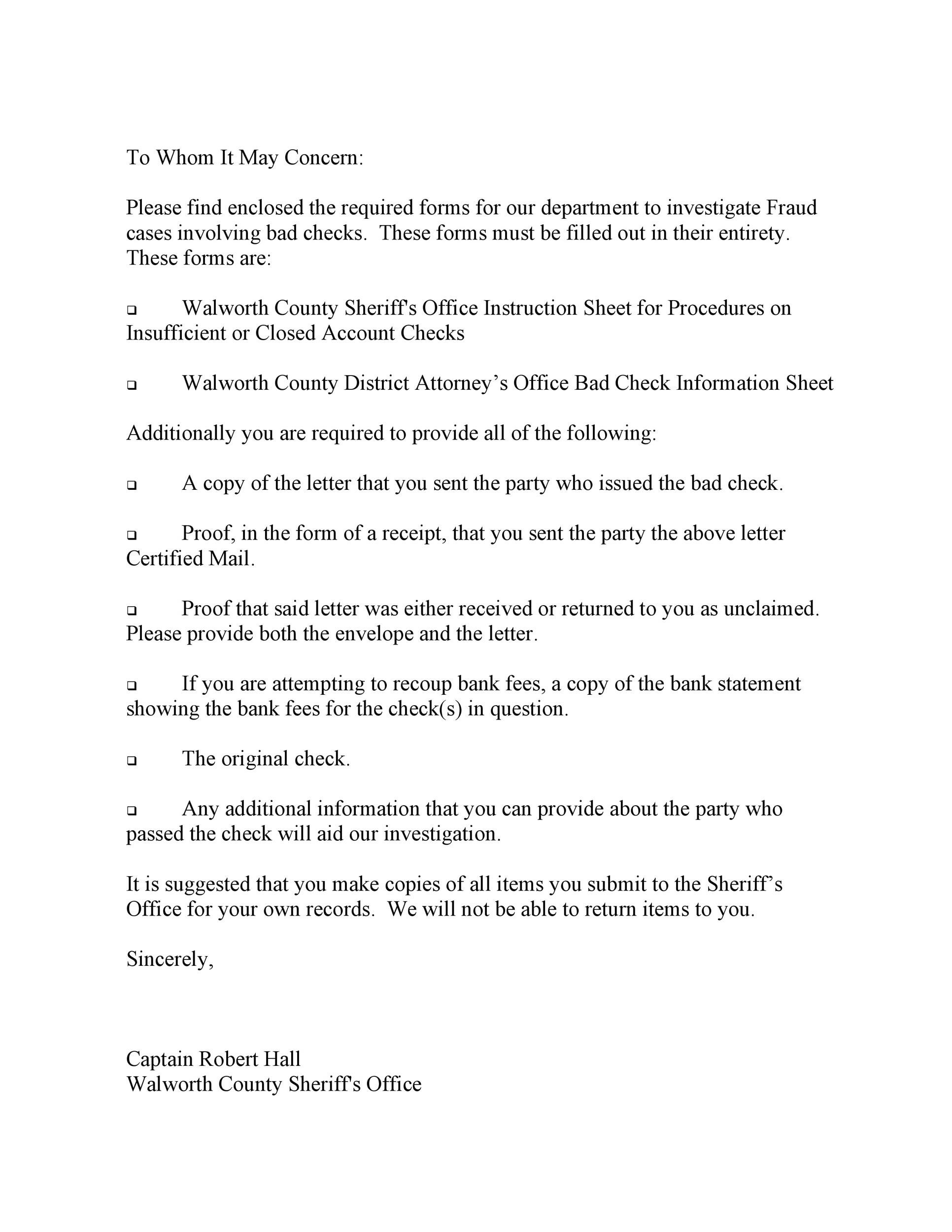
50 To Whom It May Concern Letter & Email Templates ᐅ TemplateLab
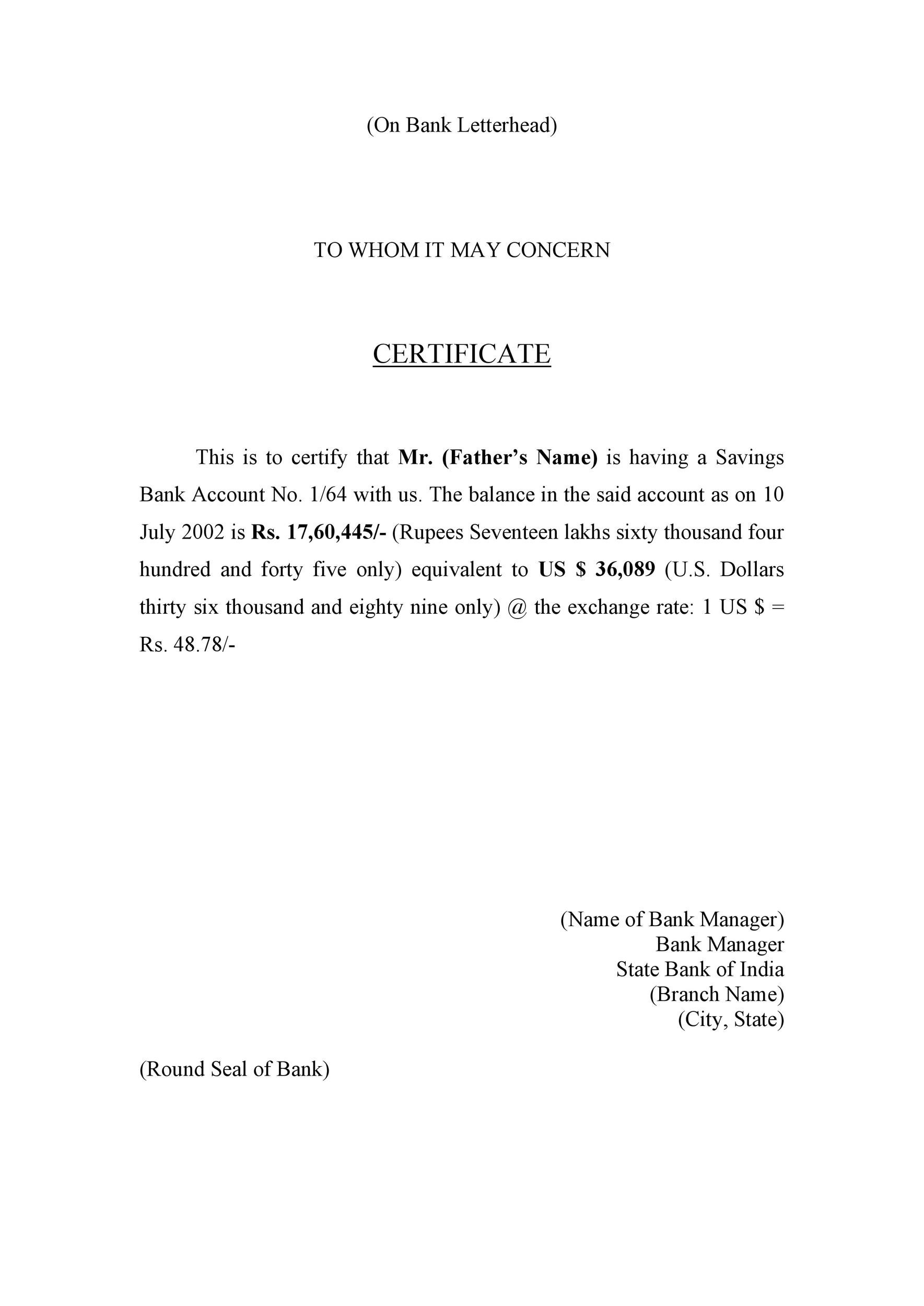
To Whom It May Concern Letter Sample For Address Proof
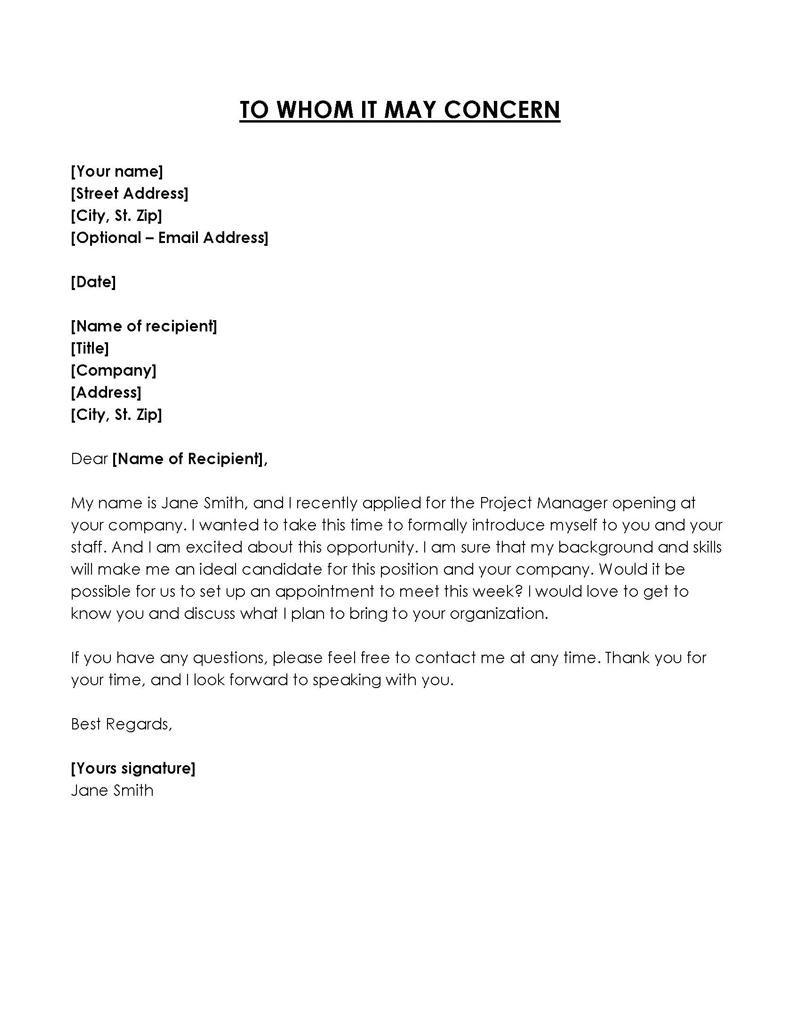
To Whom It May Concern Letter Example Uk
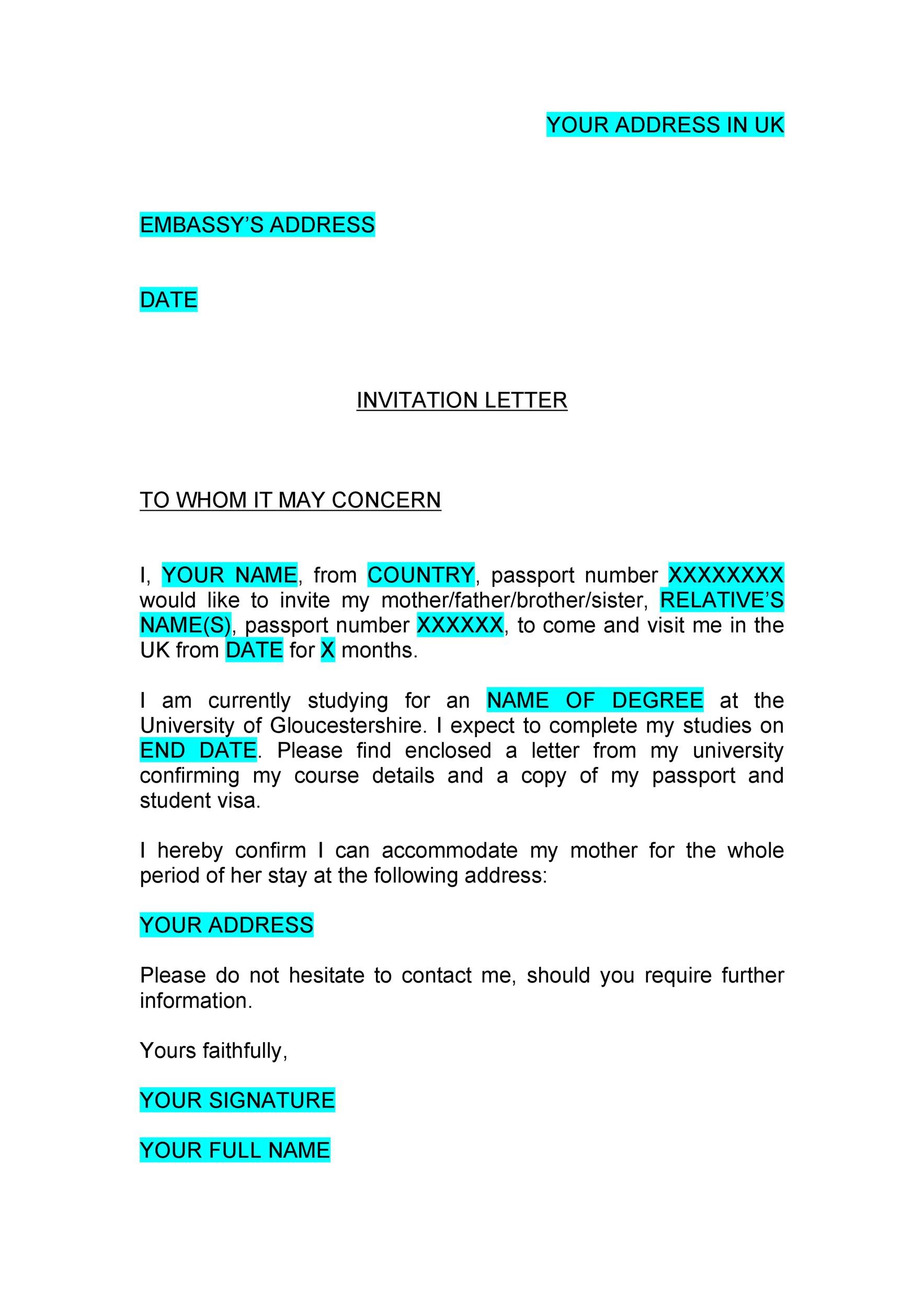
50 To Whom It May Concern Letter & Email Templates ᐅ TemplateLab
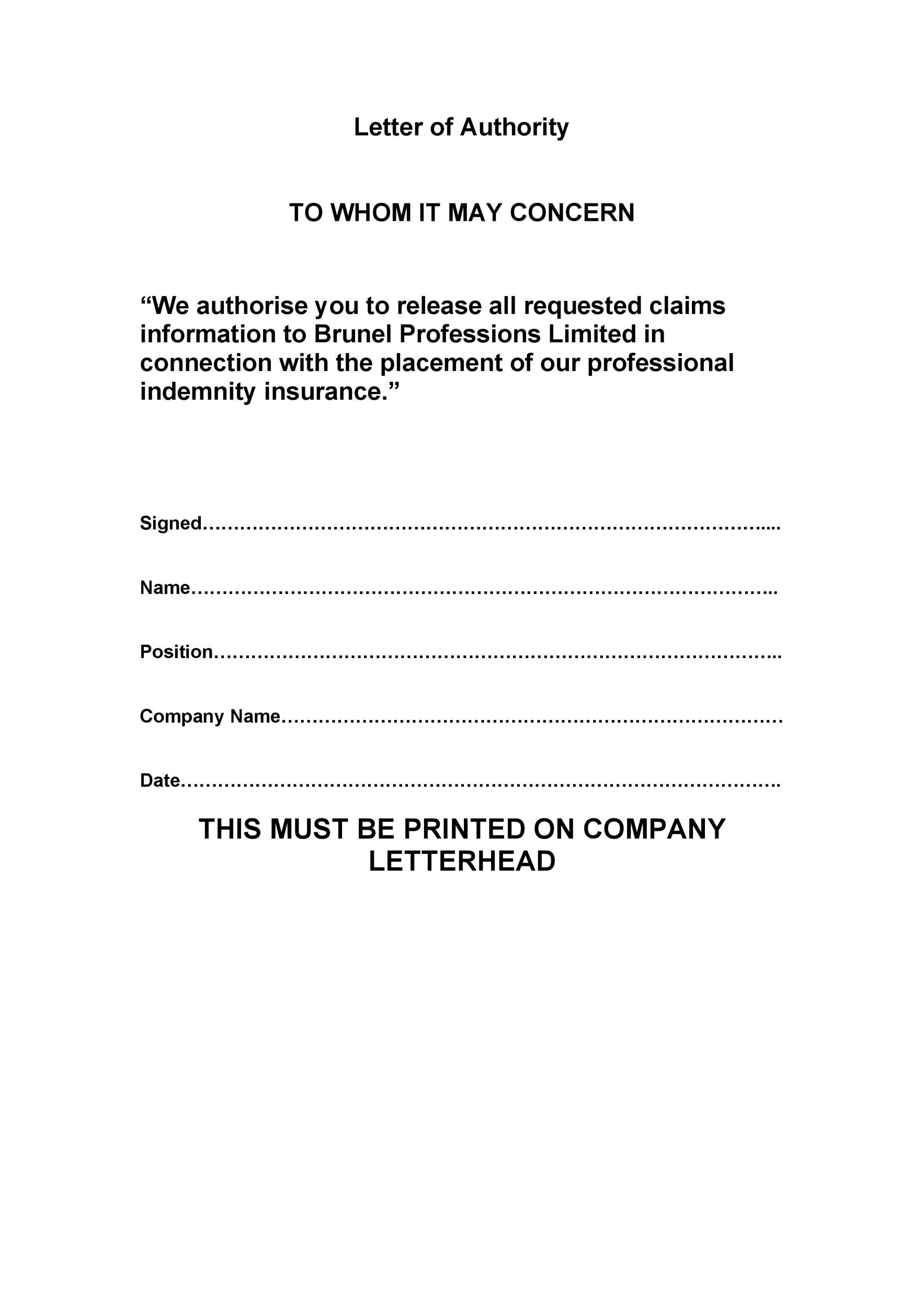
To Whom It May Concern Letter Format Word Free Printable Template
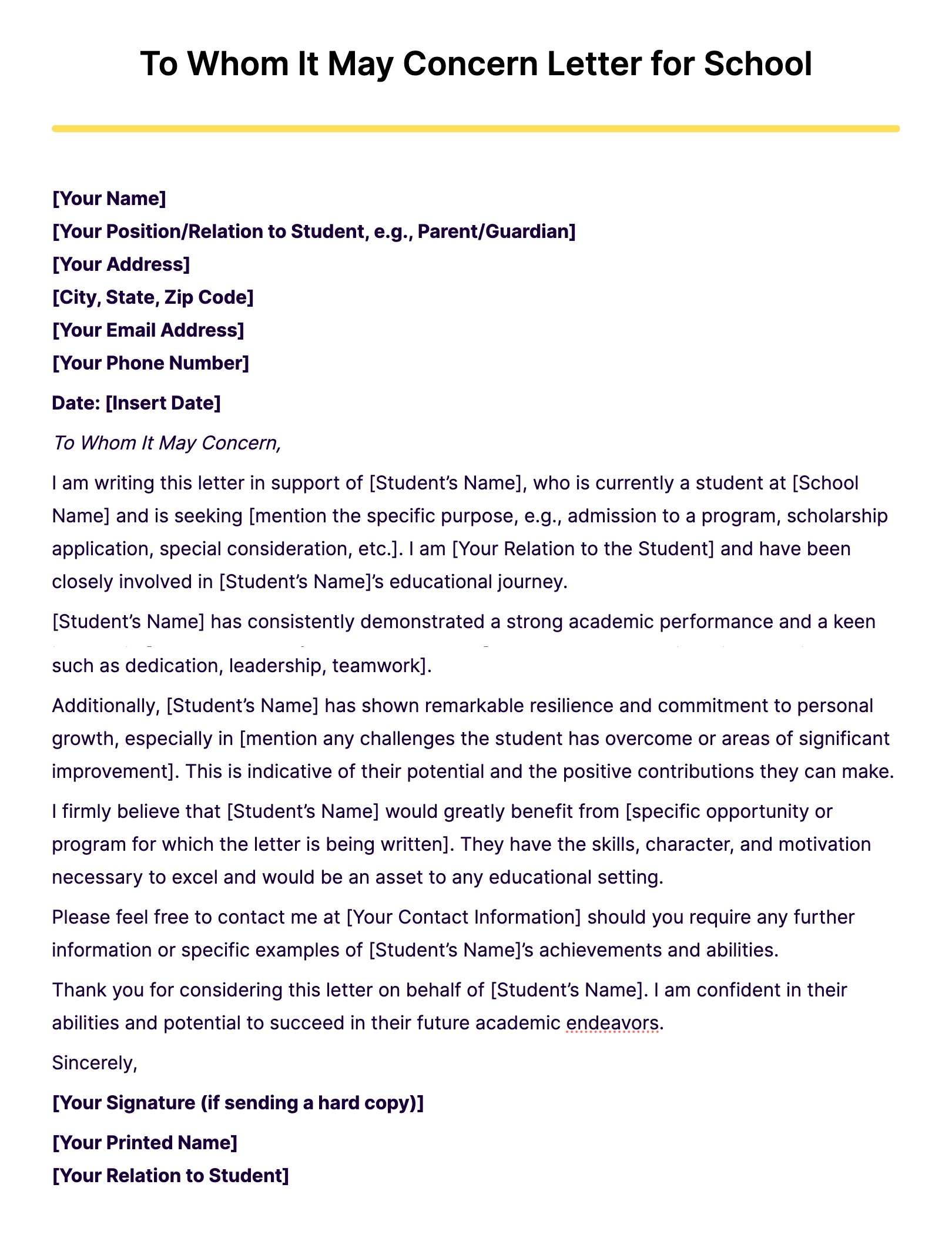
Letter Example To Whom It May Concern Design Talk
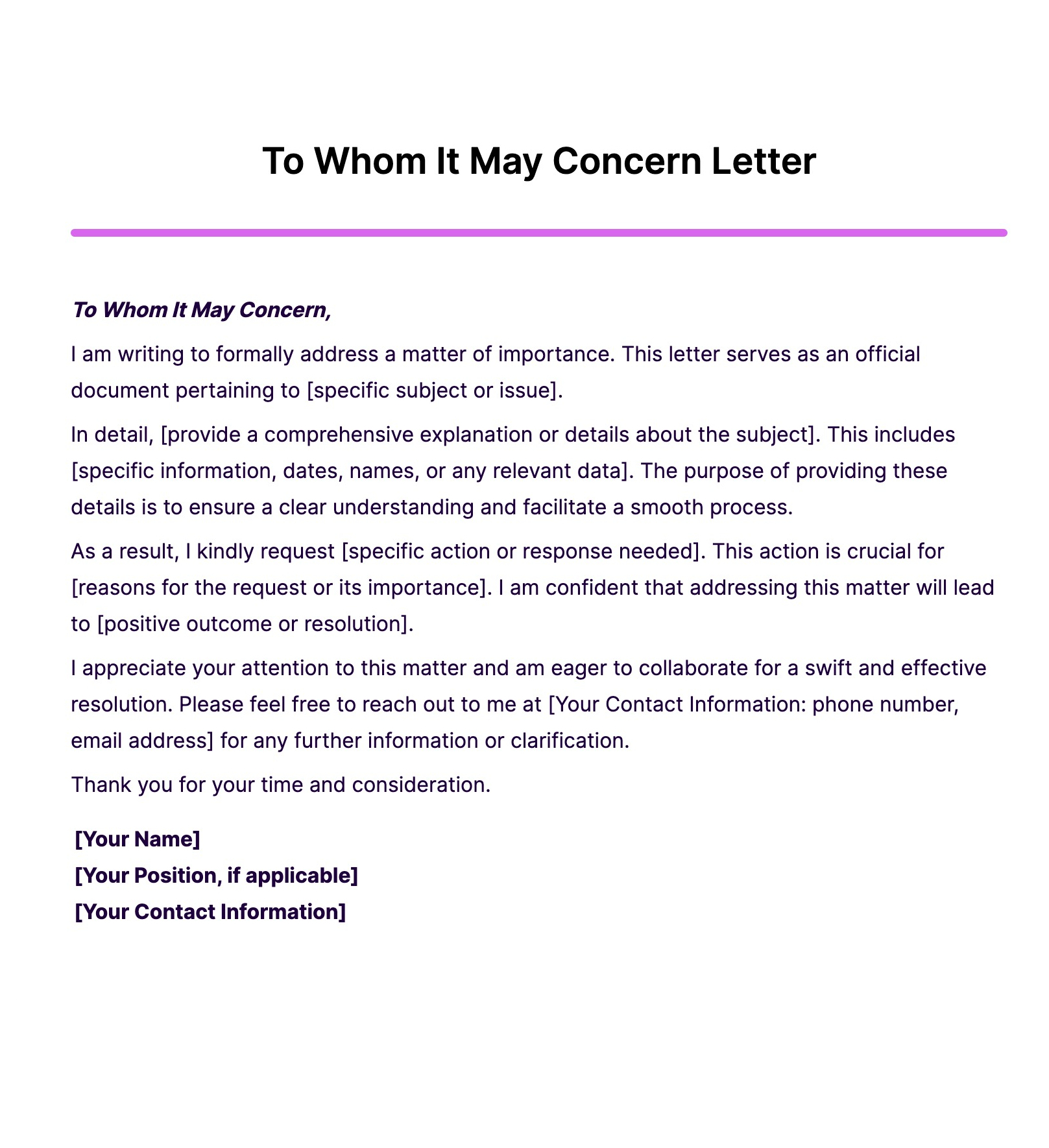
Letter Format Examples To Whom It May Concern Printable Free Templates
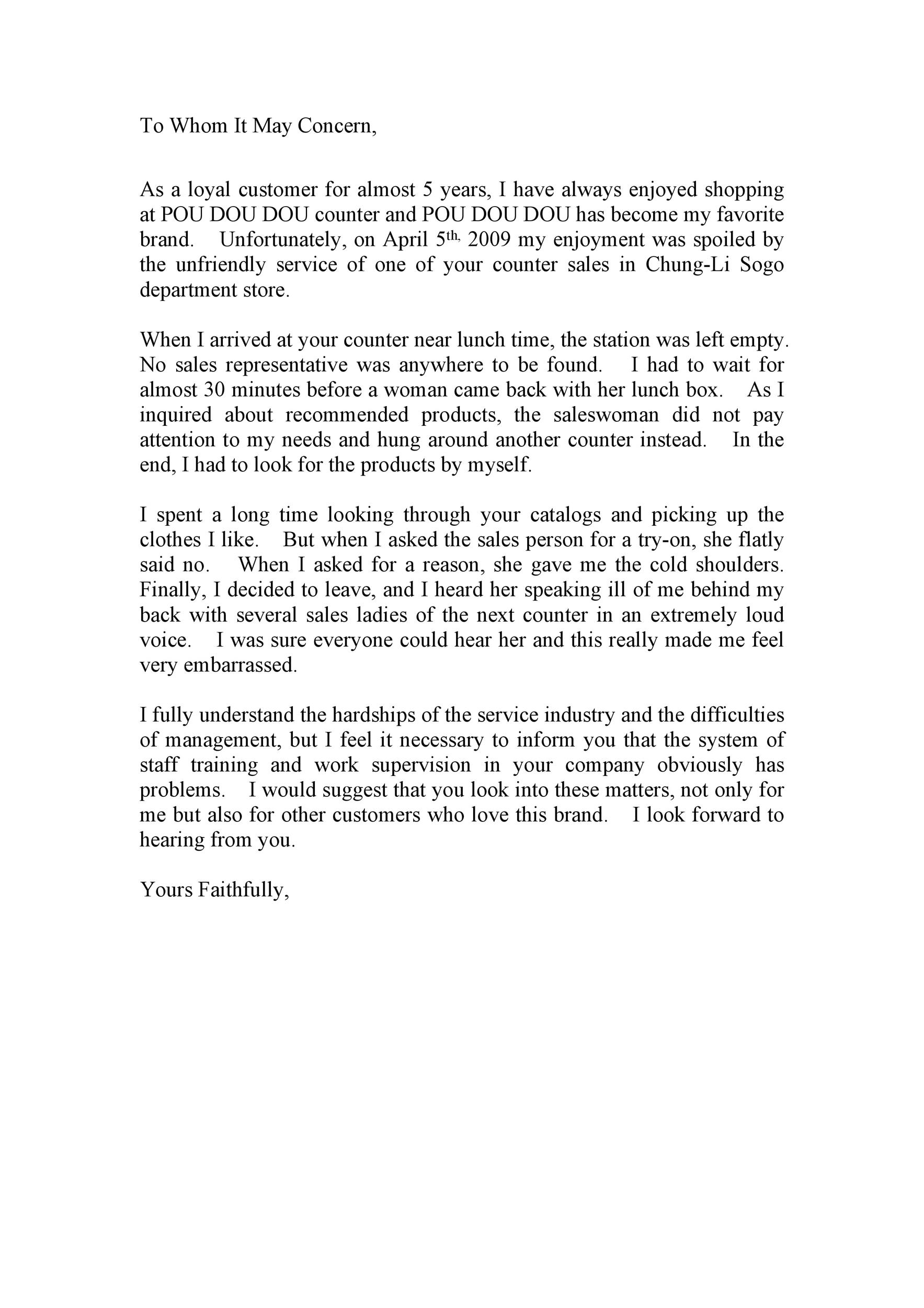
Letter To Whom It May Concern Collection Letter Template Collection

50 To Whom It May Concern Letter & Email Templates ᐅ TemplateLab

50 To Whom It May Concern Letter & Email Templates ᐅ TemplateLab
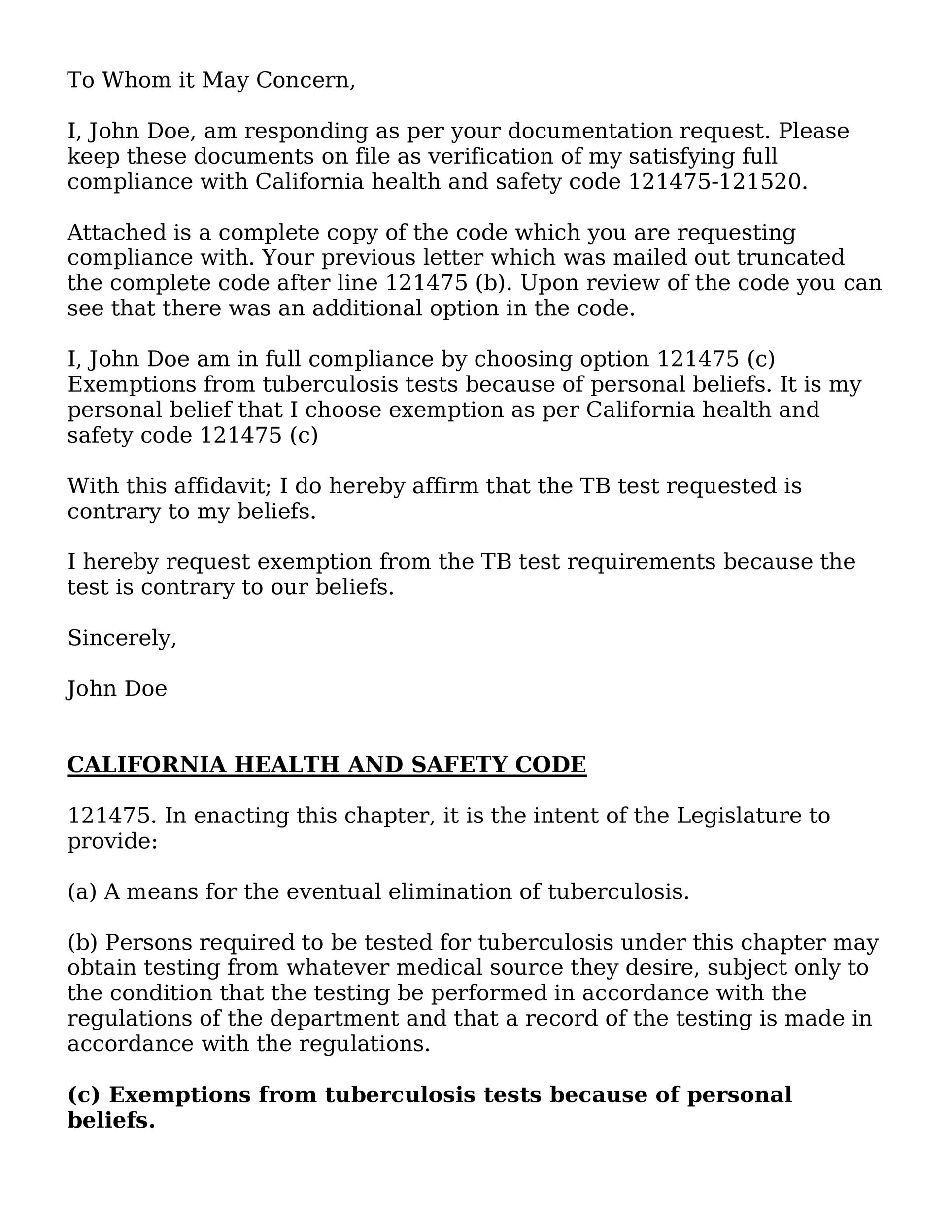
50 To Whom It May Concern Letter & Email Templates ᐅ TemplateLab
![Free Printable 'To Whom It May Concern' Cover Letter Template [PDF & Word]](https://www.typecalendar.com/wp-content/uploads/2023/05/format-to-whom-it-may-concern-letter.jpg?gid=396)
Free Printable 'To Whom It May Concern' Cover Letter Template [PDF & Word]
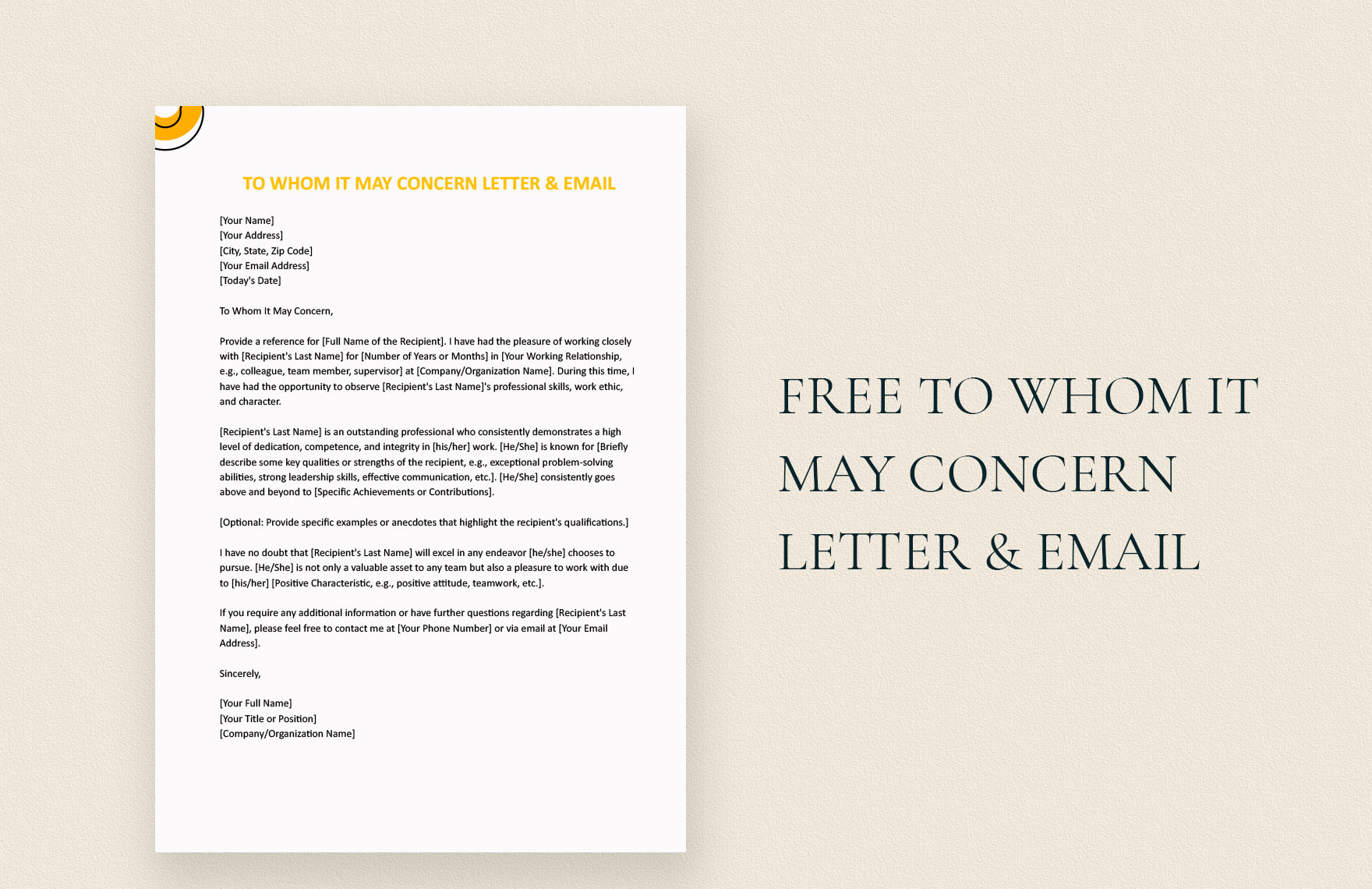
To Whom It May Concern Letter & Email in Word, Google Docs Download
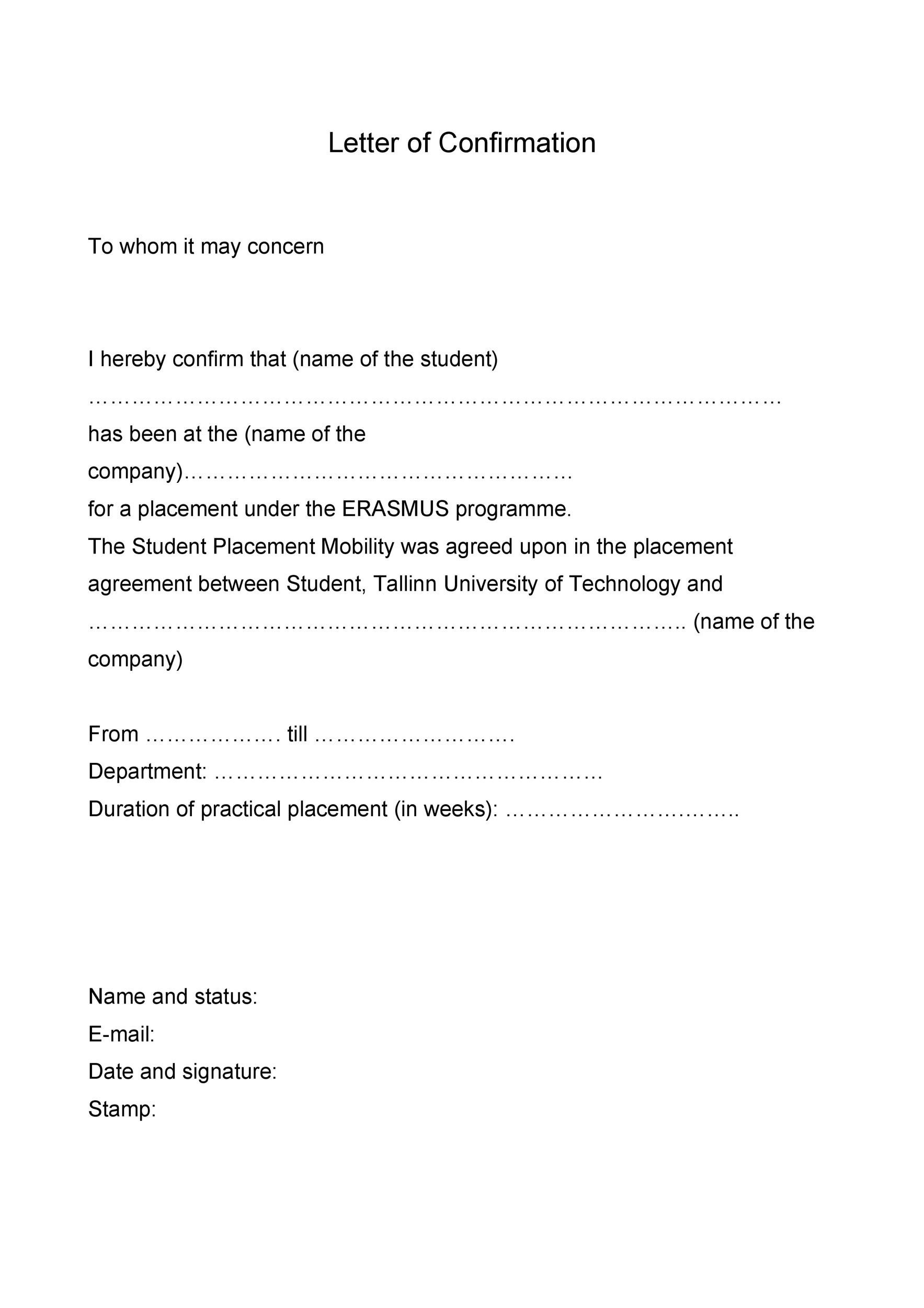
50 To Whom It May Concern Letter & Email Templates ᐅ TemplateLab
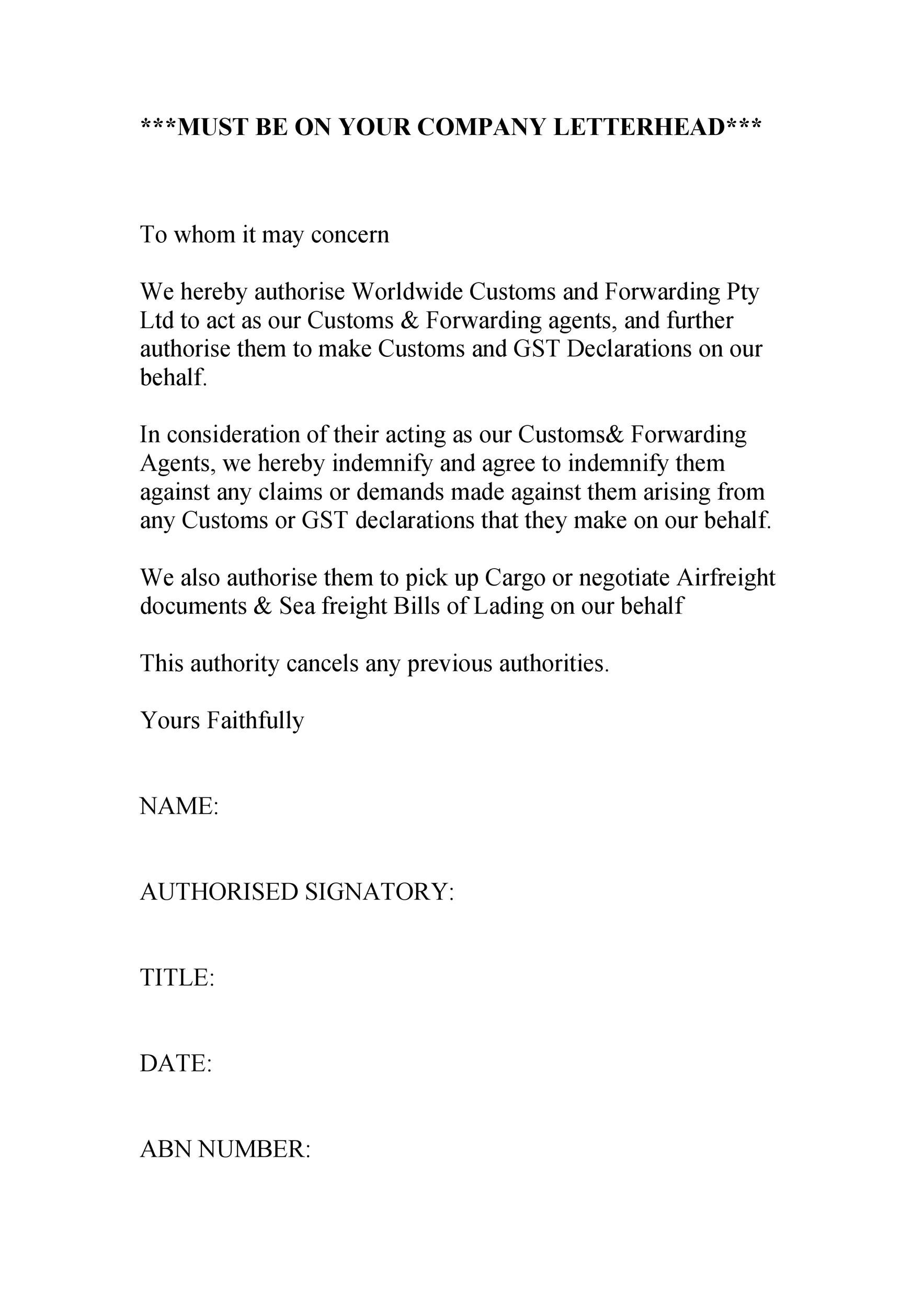
50 To Whom It May Concern Letter & Email Templates ᐅ TemplateLab
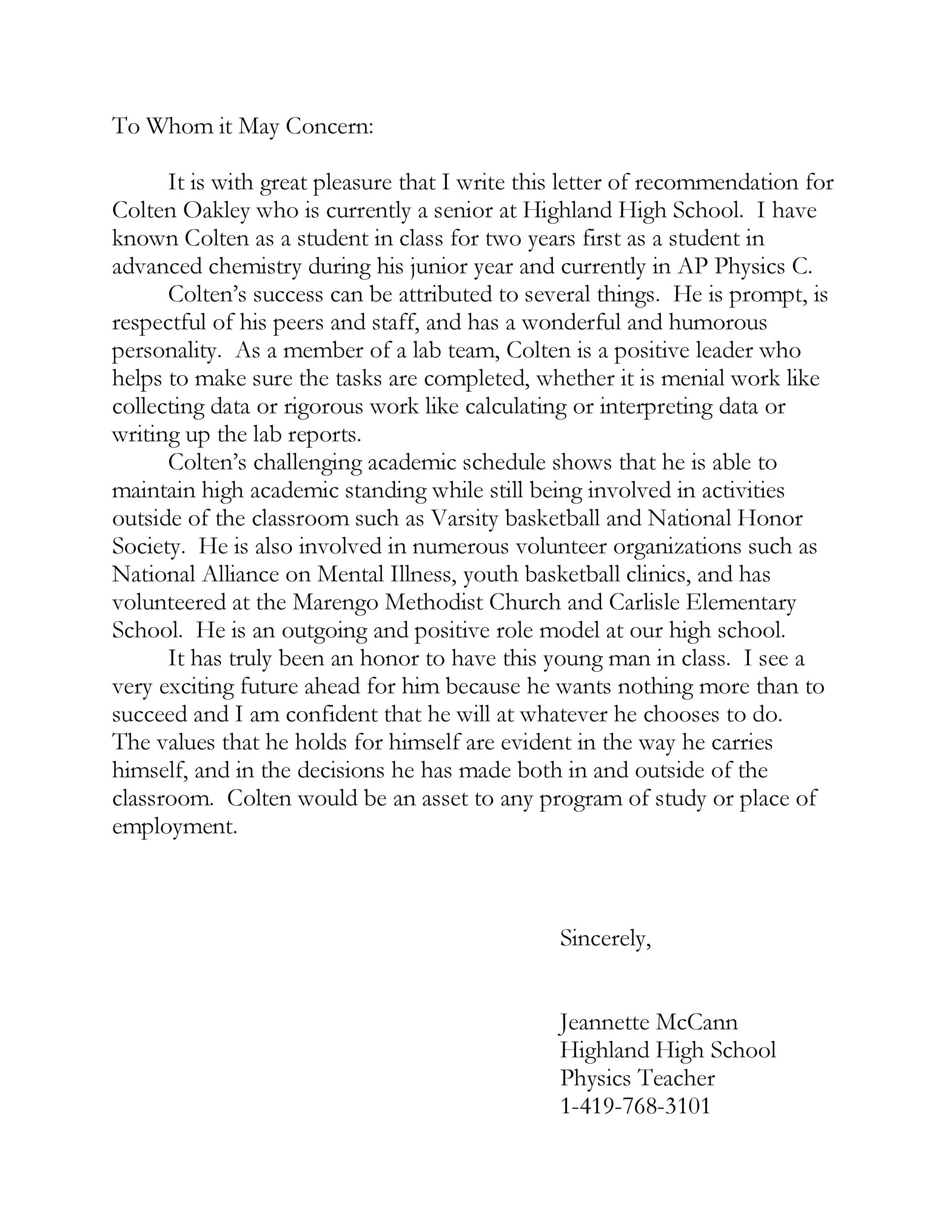
50 To Whom It May Concern Letter & Email Templates ᐅ TemplateLab

50 To Whom It May Concern Letter & Email Templates ᐅ TemplateLab
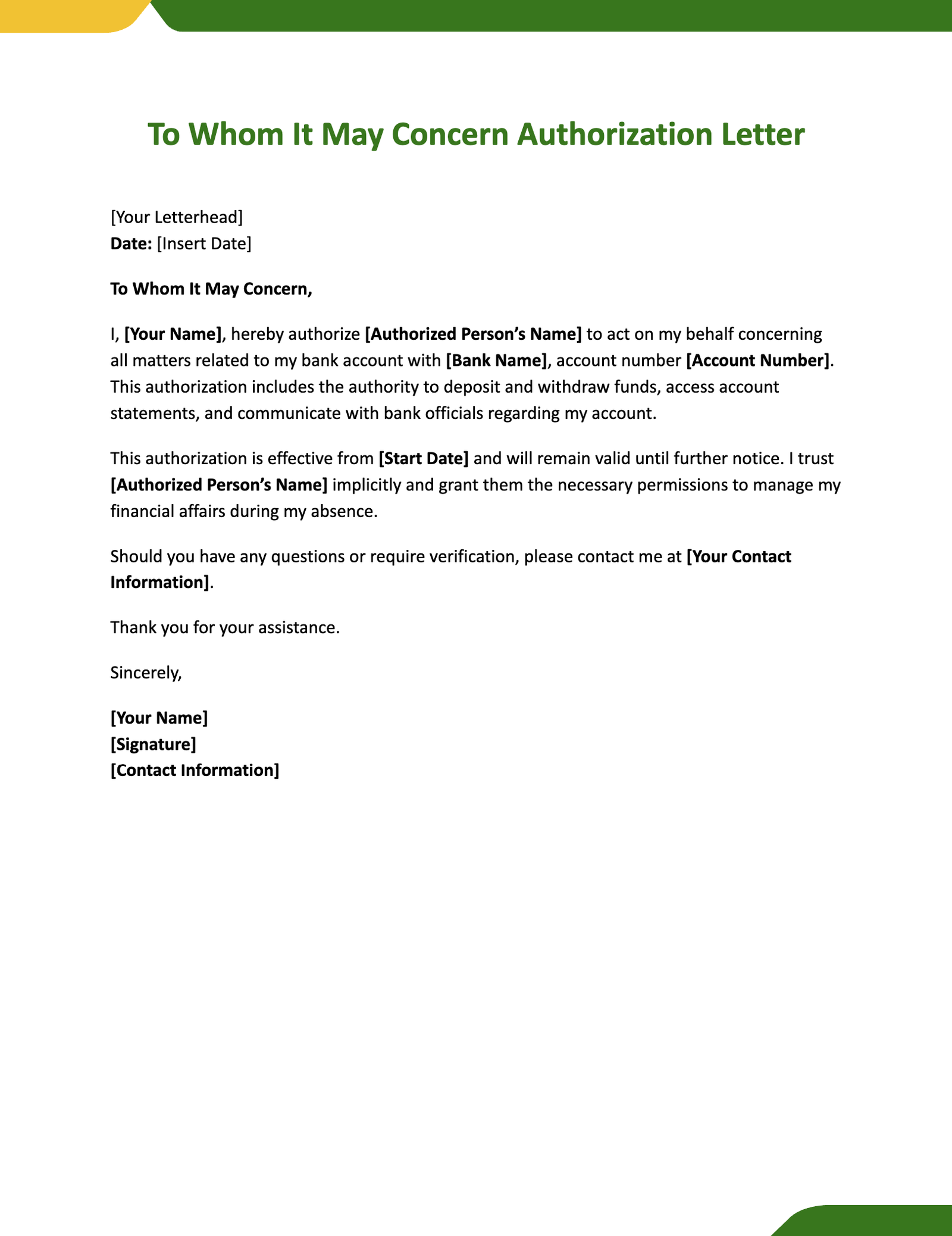
Formal Letter Format To Whom It May Concern
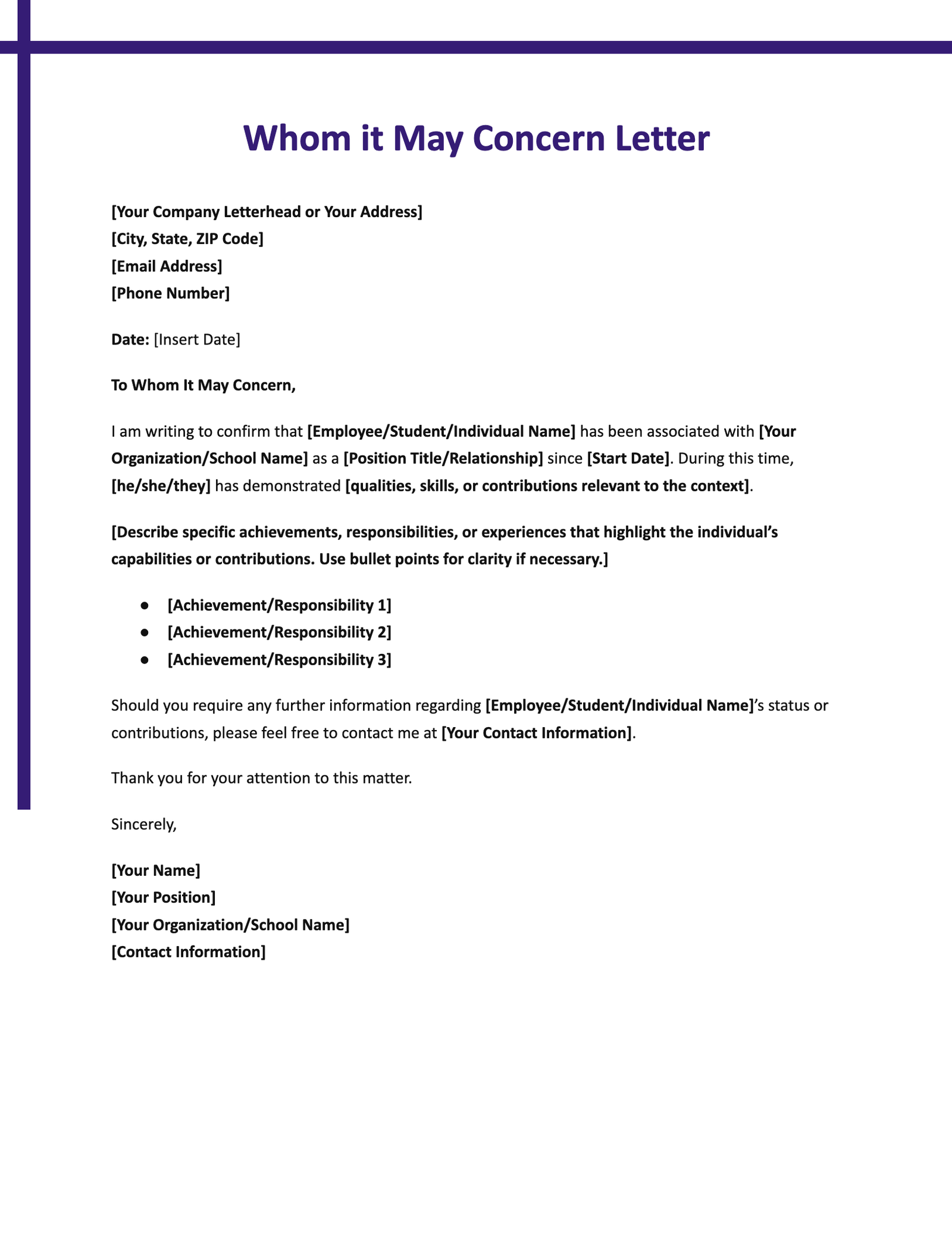
To Whom It May Concern Letter Template Uk

To Whom It May Concern Letter Template Uk
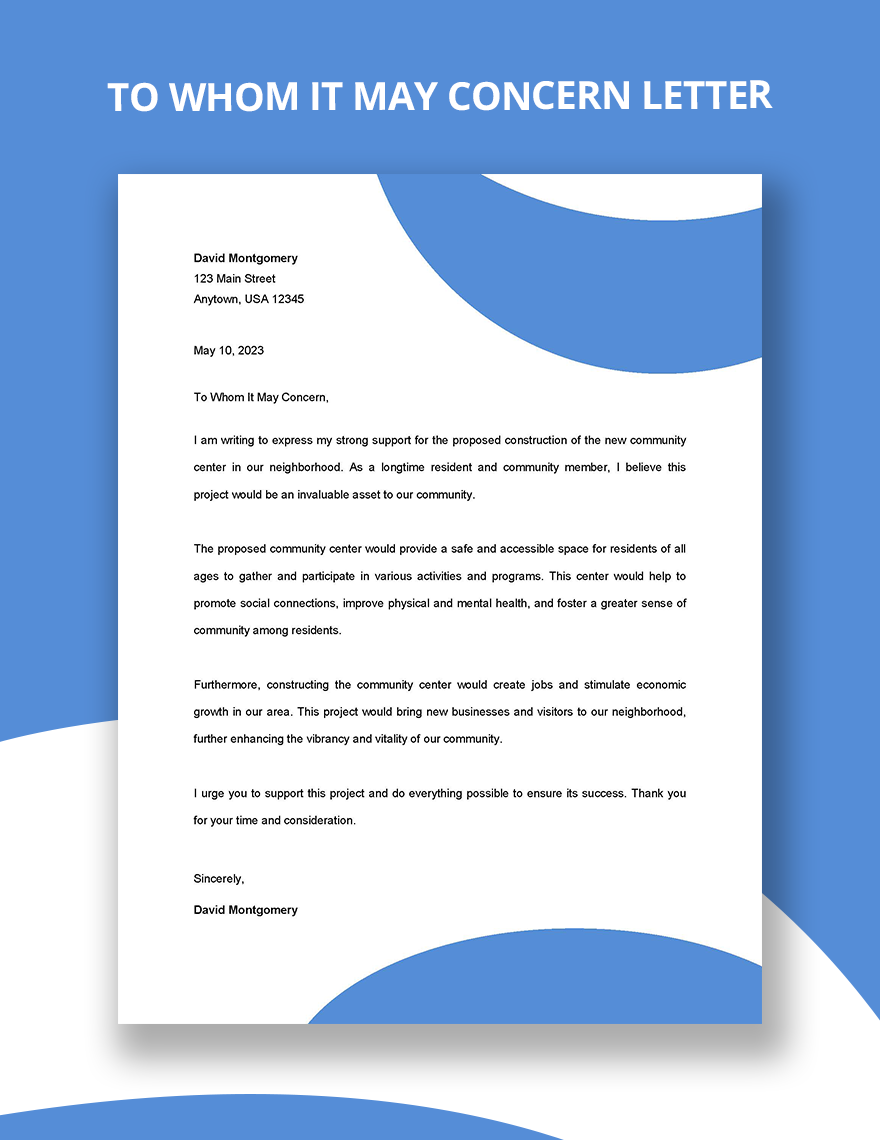
To Whom it May Concern Letter Template Word, Google Docs
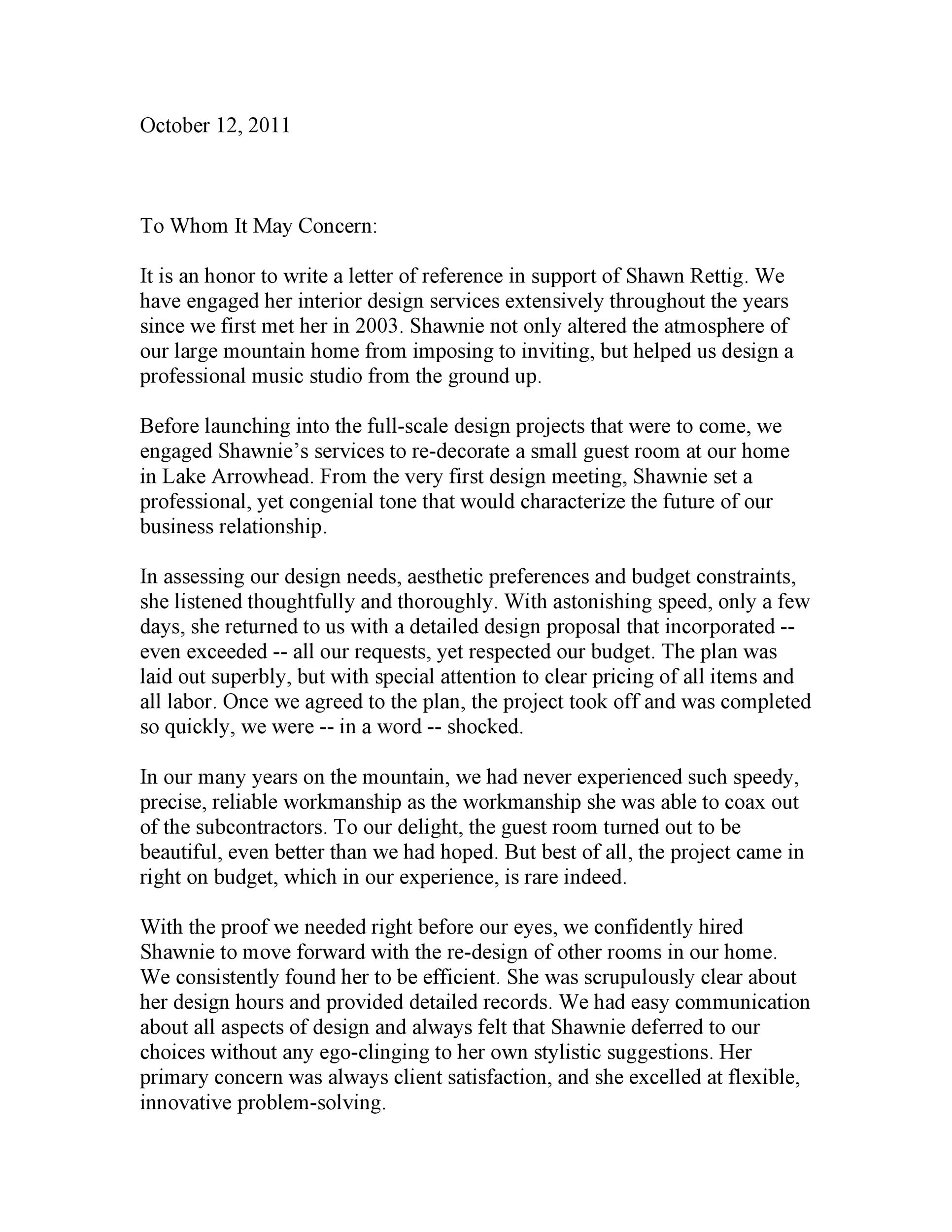
50 To Whom It May Concern Letter & Email Templates ᐅ TemplateLab
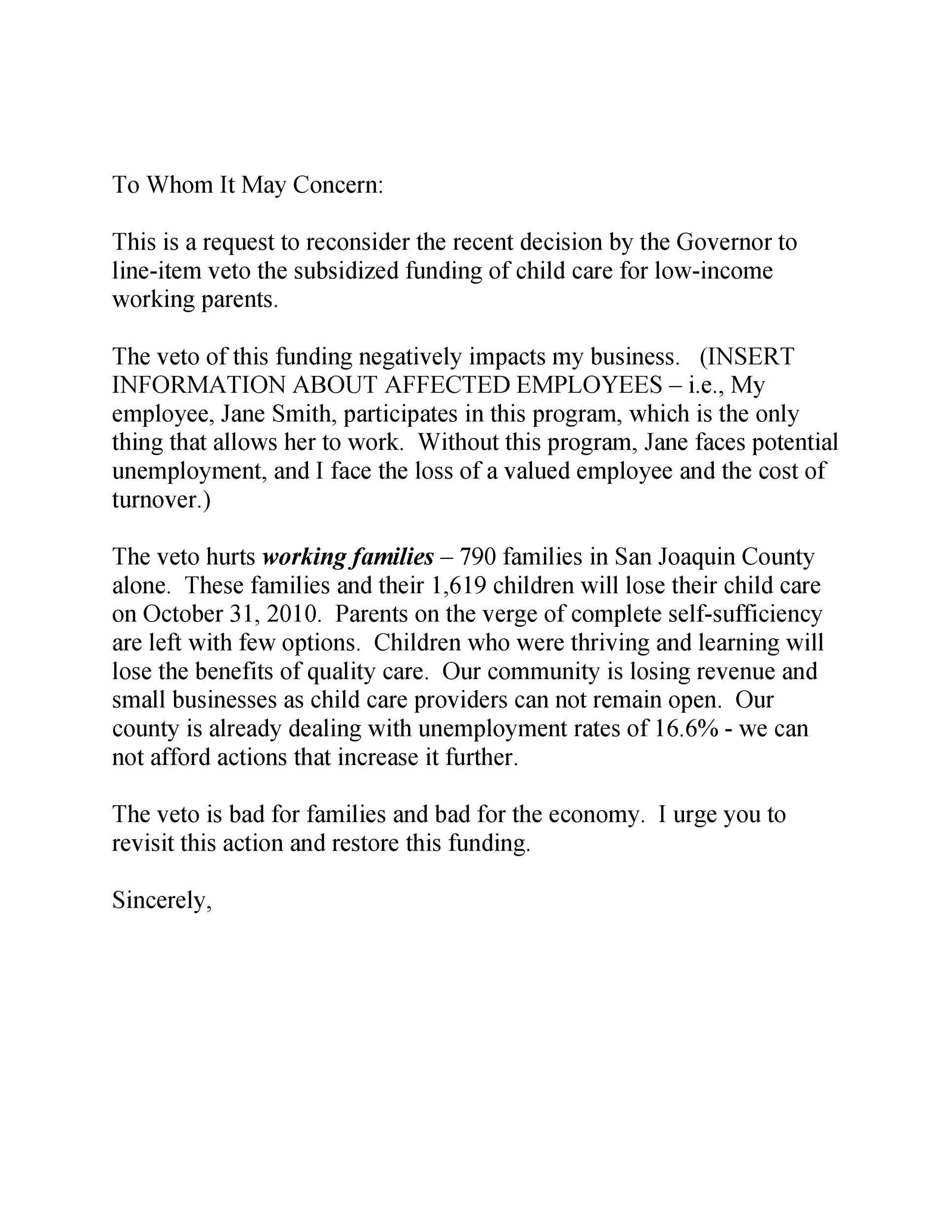
50 To Whom It May Concern Letter & Email Templates ᐅ TemplateLab
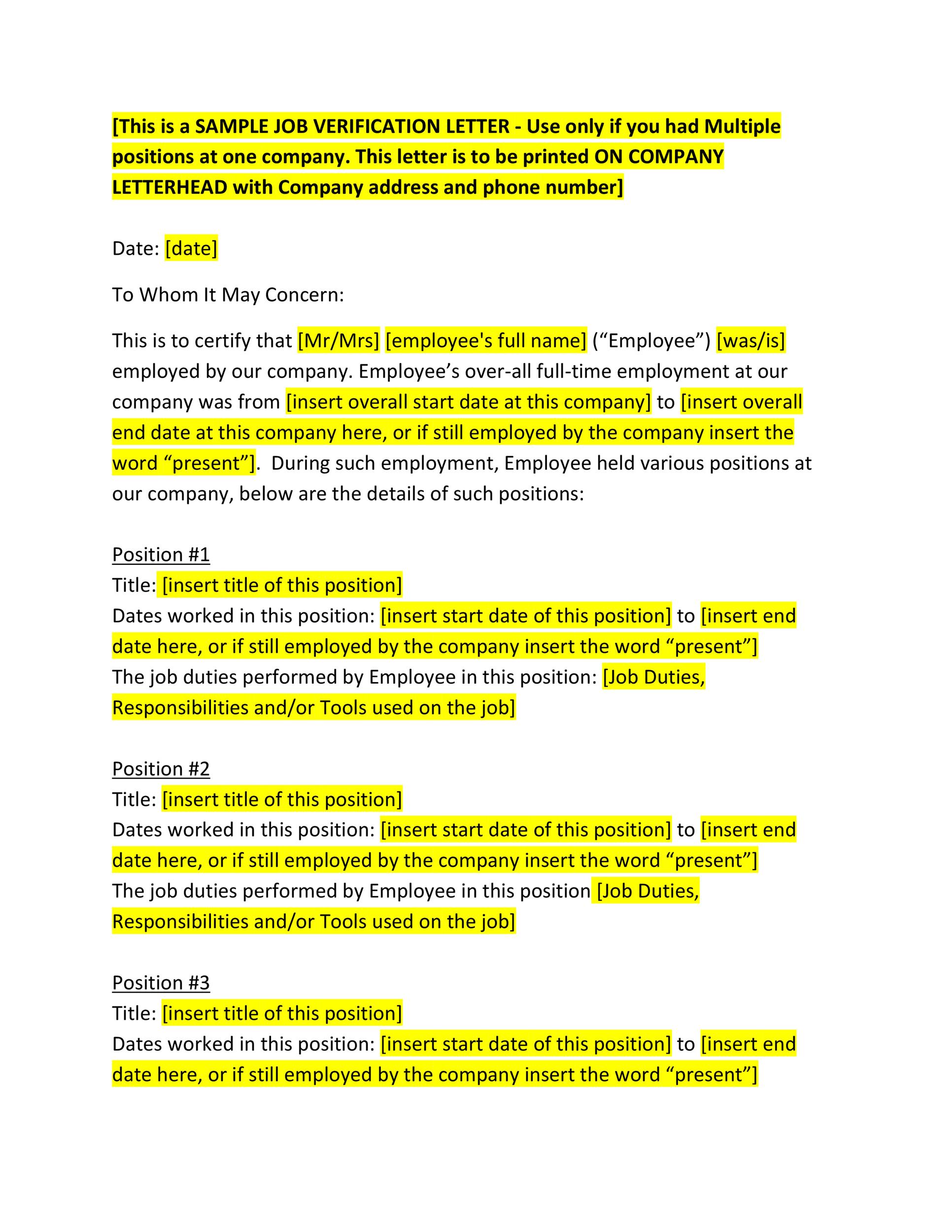
50 To Whom It May Concern Letter & Email Templates ᐅ TemplateLab
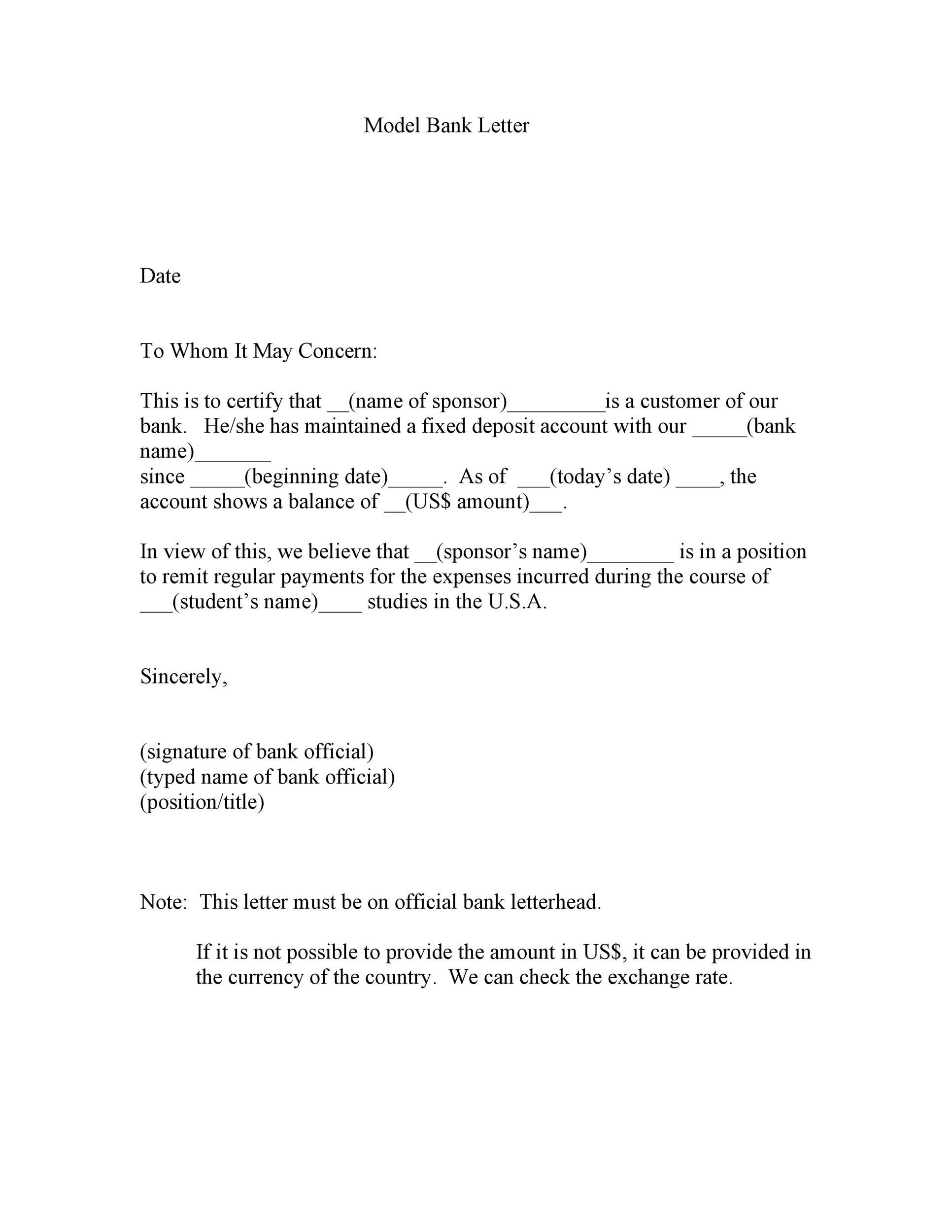
50 To Whom It May Concern Letter & Email Templates ᐅ TemplateLab
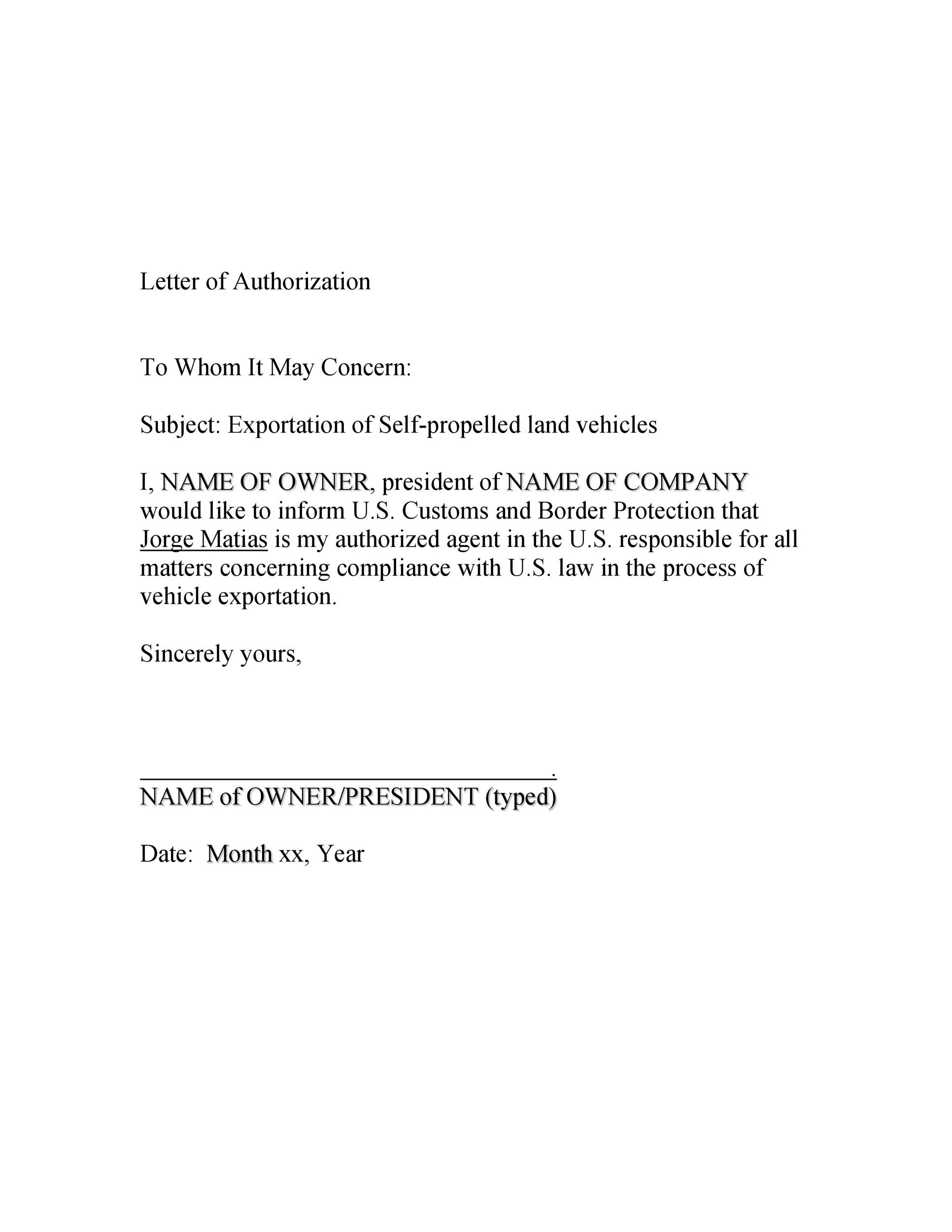
50 To Whom It May Concern Letter & Email Templates ᐅ TemplateLab
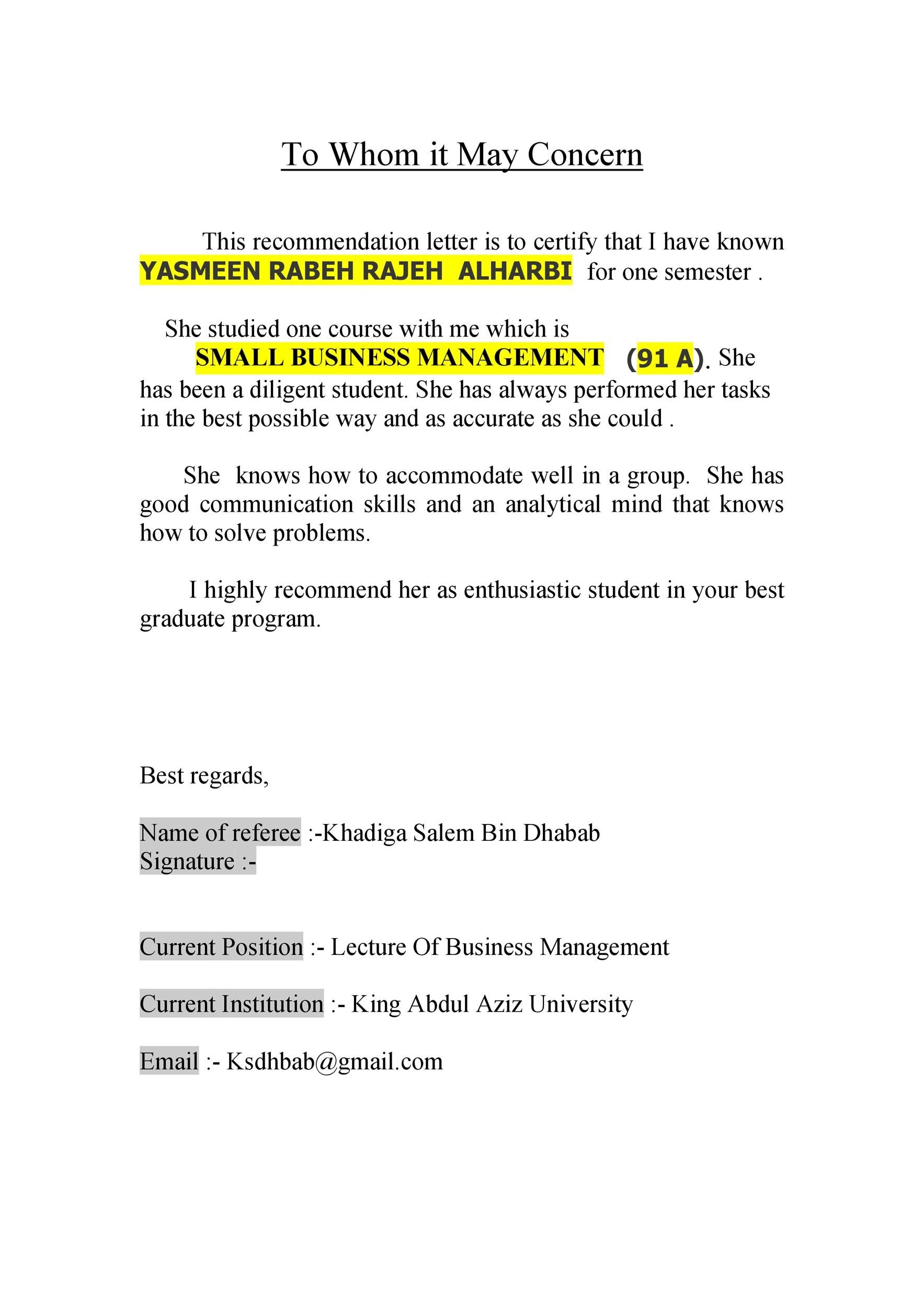
50 To Whom It May Concern Letter & Email Templates ᐅ TemplateLab

Free To Whom It May Concern Cover Letter Template to Edit Online

50 To Whom It May Concern Letter & Email Templates ᐅ TemplateLab
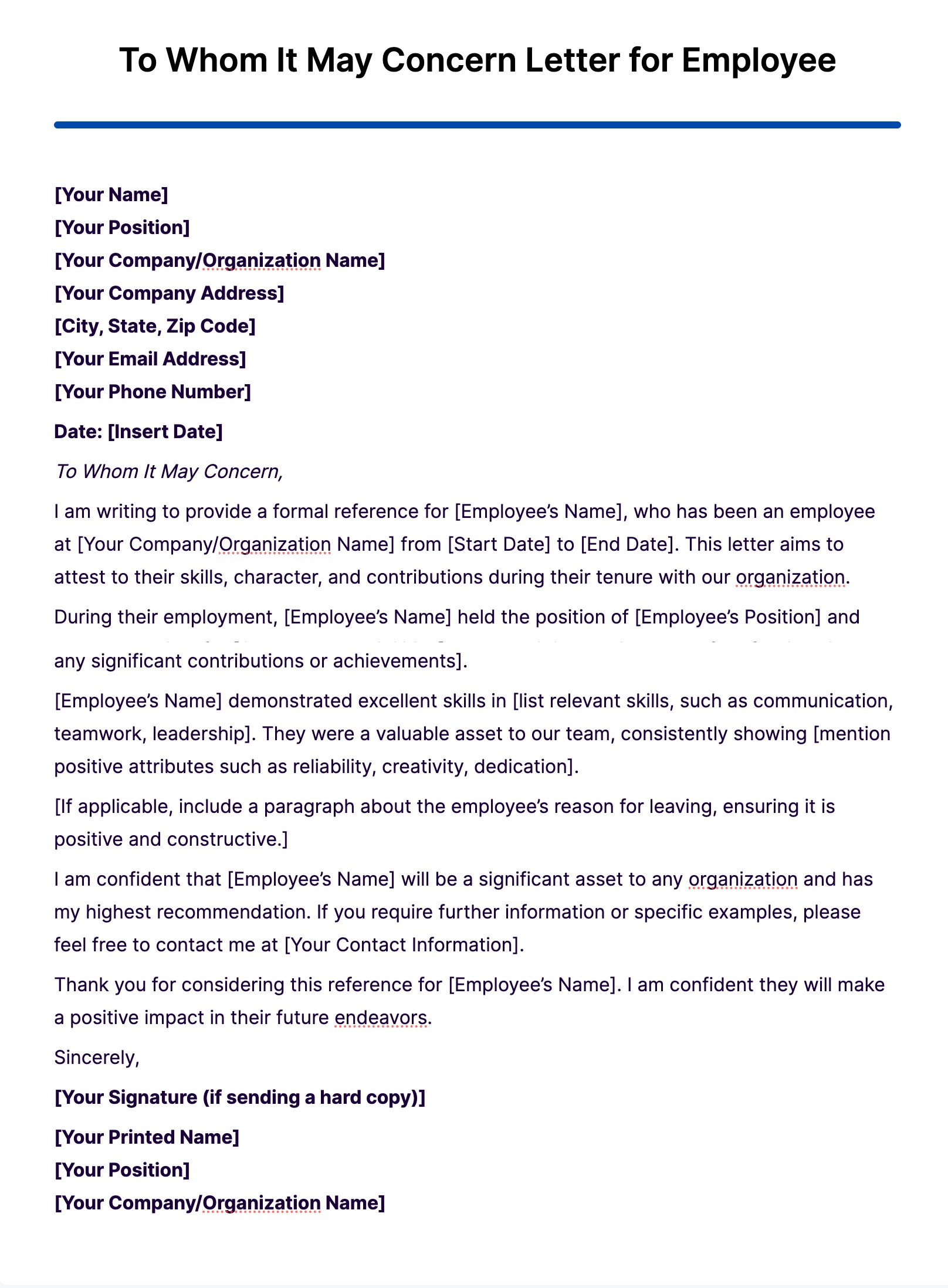
To Whom May Concern Letter Template
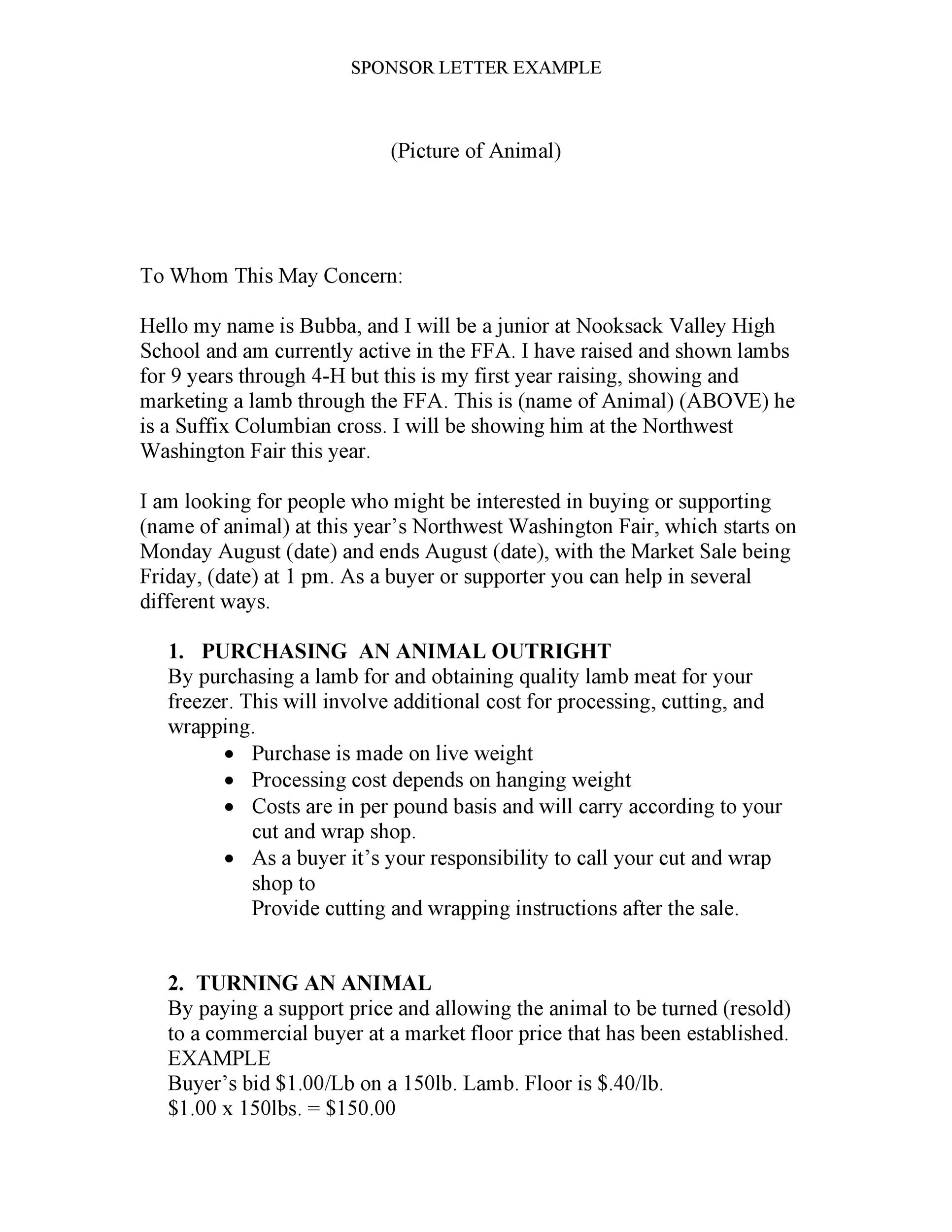
50 To Whom It May Concern Letter & Email Templates ᐅ TemplateLab
Who Is The Subject Of A Sentence Or Clause (Who Is Performing The Action), Whereas Whom Is The Object Of A Verb Or Preposition (Whom Is Affected By The Action).
But In More Formal Contexts And To Be Grammatically Correct, That First Who Should Be Whom.
See Examples Of Whom Used In A Sentence.
Imagine The Missing Person In The.
Related Post: