
Receivables Template Excel
Receivables Template Excel - Definition, process, and management tips learn how accounts receivable works and how to manage it for stronger cash flow. Companies allow their clients to pay for goods and services over. Accounts receivable (ar) represents the credit sales of a business, which have not yet been collected from its customers. Accounts receivable is the balance of funds owed to a company by its customers for goods or services that have been delivered or used but not yet paid for. Accounts receivable represents money owed by entities to the firm on the sale of products or services on credit. As you know, accounts receivable is the amount that is yet to be received from your customers within a defined period, usually a short period, thus it is treated as current assets. A receivable is a legal right to collect payment from someone who owes you money, recorded as an asset on a balance sheet until the cash arrives. Accounts receivable refers to money due to a seller from buyers who have not yet paid for their purchases. Accounts receivable (ar) is the money customers owe your business for goods or services you've already delivered on credit. It sits on your balance sheet as a current asset because. As you know, accounts receivable is the amount that is yet to be received from your customers within a defined period, usually a short period, thus it is treated as current assets. Accounts receivable is the balance of funds owed to a company by its customers for goods or services that have been delivered or used but not yet paid. Accounts receivable (ar) represents the credit sales of a business, which have not yet been collected from its customers. Definition, process, and management tips learn how accounts receivable works and how to manage it for stronger cash flow. Accounts receivables is the money owed to a business by clients for which the business has given services or delivered a product. Companies allow their clients to pay for goods and services over. Accounts receivable is the balance of funds owed to a company by its customers for goods or services that have been delivered or used but not yet paid for. Accounts receivable refers to money due to a seller from buyers who have not yet paid for their purchases. Definition,. Accounts receivables is the money owed to a business by clients for which the business has given services or delivered a product but has not yet collected payment. Accounts receivable, or receivables, can be considered a line of credit extended by a company and normally have terms that require payments to be made within a certain period of time. Accounts. As you know, accounts receivable is the amount that is yet to be received from your customers within a defined period, usually a short period, thus it is treated as current assets. Accounts receivable is the balance of funds owed to a company by its customers for goods or services that have been delivered or used but not yet paid. As you know, accounts receivable is the amount that is yet to be received from your customers within a defined period, usually a short period, thus it is treated as current assets. Companies allow their clients to pay for goods and services over. Accounts receivable represents money owed by entities to the firm on the sale of products or services. Definition, process, and management tips learn how accounts receivable works and how to manage it for stronger cash flow. Accounts receivable (ar) is the money customers owe your business for goods or services you've already delivered on credit. Accounts receivable is the balance of funds owed to a company by its customers for goods or services that have been delivered. Accounts receivables is the money owed to a business by clients for which the business has given services or delivered a product but has not yet collected payment. It sits on your balance sheet as a current asset because. As you know, accounts receivable is the amount that is yet to be received from your customers within a defined period,. Accounts receivable represents money owed by entities to the firm on the sale of products or services on credit. Companies allow their clients to pay for goods and services over. Accounts receivable refers to money due to a seller from buyers who have not yet paid for their purchases. Accounts receivable is the balance of funds owed to a company. Definition, process, and management tips learn how accounts receivable works and how to manage it for stronger cash flow. Companies allow their clients to pay for goods and services over. Accounts receivable (ar) represents the credit sales of a business, which have not yet been collected from its customers. Accounts receivable is the balance of funds owed to a company. The amounts owed are stated on that are issued to buyers by the seller. Accounts receivable (ar) is the money customers owe your business for goods or services you've already delivered on credit. As you know, accounts receivable is the amount that is yet to be received from your customers within a defined period, usually a short period, thus it. Accounts receivable, or receivables, can be considered a line of credit extended by a company and normally have terms that require payments to be made within a certain period of time. Accounts receivable represents money owed by entities to the firm on the sale of products or services on credit. Accounts receivable (ar) represents the credit sales of a business,. Accounts receivable (ar) is the money customers owe your business for goods or services you've already delivered on credit. As you know, accounts receivable is the amount that is yet to be received from your customers within a defined period, usually a short period, thus it is treated as current assets. Accounts receivable is the balance of funds owed to. A receivable is a legal right to collect payment from someone who owes you money, recorded as an asset on a balance sheet until the cash arrives. Companies allow their clients to pay for goods and services over. Accounts receivable (ar) represents the credit sales of a business, which have not yet been collected from its customers. Accounts receivable refers. Accounts receivable is the balance of funds owed to a company by its customers for goods or services that have been delivered or used but not yet paid for. Accounts receivable refers to money due to a seller from buyers who have not yet paid for their purchases. Accounts receivable, or receivables, can be considered a line of credit extended. The amounts owed are stated on that are issued to buyers by the seller. Accounts receivable is the balance of funds owed to a company by its customers for goods or services that have been delivered or used but not yet paid for. Accounts receivable (ar) represents the credit sales of a business, which have not yet been collected from. Accounts receivables is the money owed to a business by clients for which the business has given services or delivered a product but has not yet collected payment. A receivable is a legal right to collect payment from someone who owes you money, recorded as an asset on a balance sheet until the cash arrives. Accounts receivable represents money owed. Accounts receivable refers to money due to a seller from buyers who have not yet paid for their purchases. Accounts receivable, or receivables, can be considered a line of credit extended by a company and normally have terms that require payments to be made within a certain period of time. Accounts receivable (ar) is the money customers owe your business. Accounts receivables is the money owed to a business by clients for which the business has given services or delivered a product but has not yet collected payment. Accounts receivable represents money owed by entities to the firm on the sale of products or services on credit. It sits on your balance sheet as a current asset because. A receivable. It sits on your balance sheet as a current asset because. Definition, process, and management tips learn how accounts receivable works and how to manage it for stronger cash flow. The amounts owed are stated on that are issued to buyers by the seller. Accounts receivable refers to money due to a seller from buyers who have not yet paid. A receivable is a legal right to collect payment from someone who owes you money, recorded as an asset on a balance sheet until the cash arrives. Definition, process, and management tips learn how accounts receivable works and how to manage it for stronger cash flow. Accounts receivable is the balance of funds owed to a company by its customers. Accounts receivable (ar) is the money customers owe your business for goods or services you've already delivered on credit. Accounts receivables is the money owed to a business by clients for which the business has given services or delivered a product but has not yet collected payment. As you know, accounts receivable is the amount that is yet to be. Accounts receivable, or receivables, can be considered a line of credit extended by a company and normally have terms that require payments to be made within a certain period of time. The amounts owed are stated on that are issued to buyers by the seller. Accounts receivables is the money owed to a business by clients for which the business. It sits on your balance sheet as a current asset because. A receivable is a legal right to collect payment from someone who owes you money, recorded as an asset on a balance sheet until the cash arrives. Accounts receivables is the money owed to a business by clients for which the business has given services or delivered a product. Accounts receivable is the balance of funds owed to a company by its customers for goods or services that have been delivered or used but not yet paid for. Accounts receivable, or receivables, can be considered a line of credit extended by a company and normally have terms that require payments to be made within a certain period of time.. Accounts receivable refers to money due to a seller from buyers who have not yet paid for their purchases. Accounts receivable is the balance of funds owed to a company by its customers for goods or services that have been delivered or used but not yet paid for. Accounts receivable represents money owed by entities to the firm on the. Accounts receivable, or receivables, can be considered a line of credit extended by a company and normally have terms that require payments to be made within a certain period of time. The amounts owed are stated on that are issued to buyers by the seller. It sits on your balance sheet as a current asset because. Companies allow their clients. As you know, accounts receivable is the amount that is yet to be received from your customers within a defined period, usually a short period, thus it is treated as current assets. The amounts owed are stated on that are issued to buyers by the seller. Accounts receivable, or receivables, can be considered a line of credit extended by a. It sits on your balance sheet as a current asset because. The amounts owed are stated on that are issued to buyers by the seller. Accounts receivable refers to money due to a seller from buyers who have not yet paid for their purchases. Companies allow their clients to pay for goods and services over. Definition, process, and management tips. Accounts receivables is the money owed to a business by clients for which the business has given services or delivered a product but has not yet collected payment. Accounts receivable (ar) represents the credit sales of a business, which have not yet been collected from its customers. Accounts receivable is the balance of funds owed to a company by its. Accounts receivables is the money owed to a business by clients for which the business has given services or delivered a product but has not yet collected payment. A receivable is a legal right to collect payment from someone who owes you money, recorded as an asset on a balance sheet until the cash arrives. As you know, accounts receivable. A receivable is a legal right to collect payment from someone who owes you money, recorded as an asset on a balance sheet until the cash arrives. As you know, accounts receivable is the amount that is yet to be received from your customers within a defined period, usually a short period, thus it is treated as current assets. The. It sits on your balance sheet as a current asset because. Accounts receivables is the money owed to a business by clients for which the business has given services or delivered a product but has not yet collected payment. Accounts receivable represents money owed by entities to the firm on the sale of products or services on credit. A receivable. As you know, accounts receivable is the amount that is yet to be received from your customers within a defined period, usually a short period, thus it is treated as current assets. It sits on your balance sheet as a current asset because. Definition, process, and management tips learn how accounts receivable works and how to manage it for stronger. Definition, process, and management tips learn how accounts receivable works and how to manage it for stronger cash flow. Accounts receivable represents money owed by entities to the firm on the sale of products or services on credit. Accounts receivable refers to money due to a seller from buyers who have not yet paid for their purchases. Accounts receivables is. Accounts receivable (ar) is the money customers owe your business for goods or services you've already delivered on credit. Accounts receivable, or receivables, can be considered a line of credit extended by a company and normally have terms that require payments to be made within a certain period of time. It sits on your balance sheet as a current asset because. Definition, process, and management tips learn how accounts receivable works and how to manage it for stronger cash flow. Accounts receivable (ar) represents the credit sales of a business, which have not yet been collected from its customers. Accounts receivables is the money owed to a business by clients for which the business has given services or delivered a product but has not yet collected payment. Companies allow their clients to pay for goods and services over. The amounts owed are stated on that are issued to buyers by the seller. As you know, accounts receivable is the amount that is yet to be received from your customers within a defined period, usually a short period, thus it is treated as current assets. Accounts receivable represents money owed by entities to the firm on the sale of products or services on credit.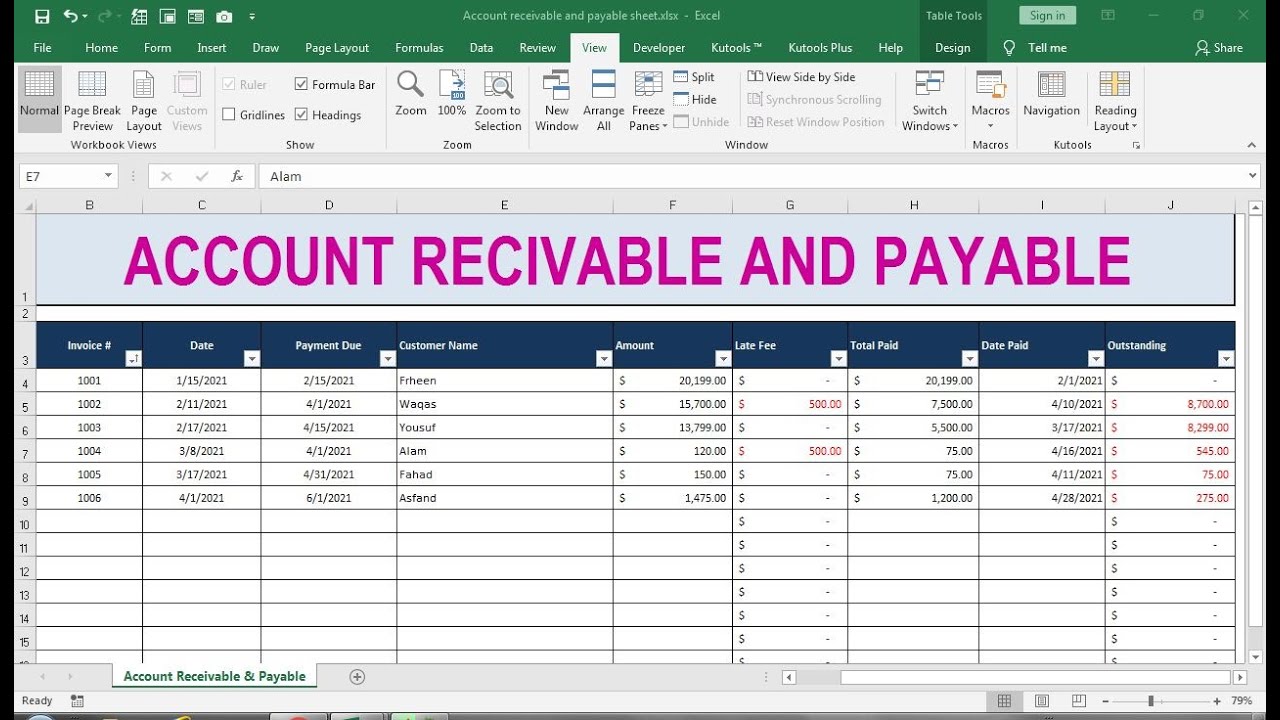
Accounts Receivable Template Excel
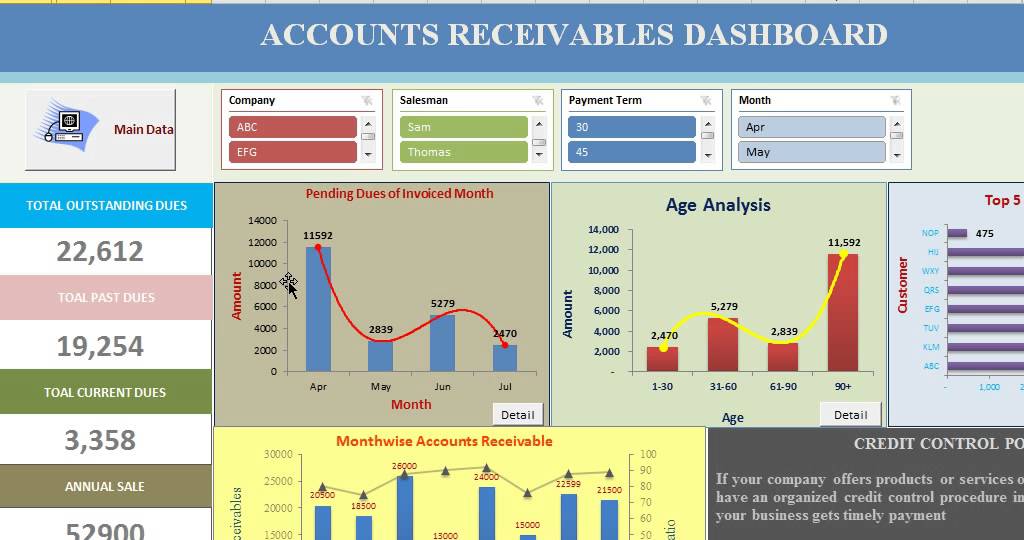
Accounts Receivable Dashboard Excel Template

Free Accounting Templates in Excel Smartsheet

Accounts Receivable Report Template Excel AT A GLANCE
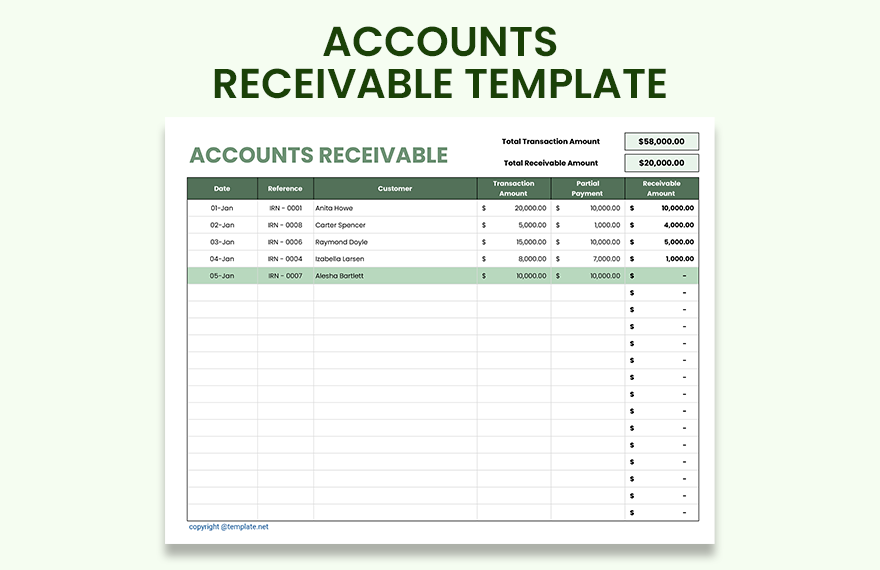
Free Accounts Receivable Template Google Sheets, Excel

EXCEL of Receivables and Invoice Management Ledger.xlsx WPS Free
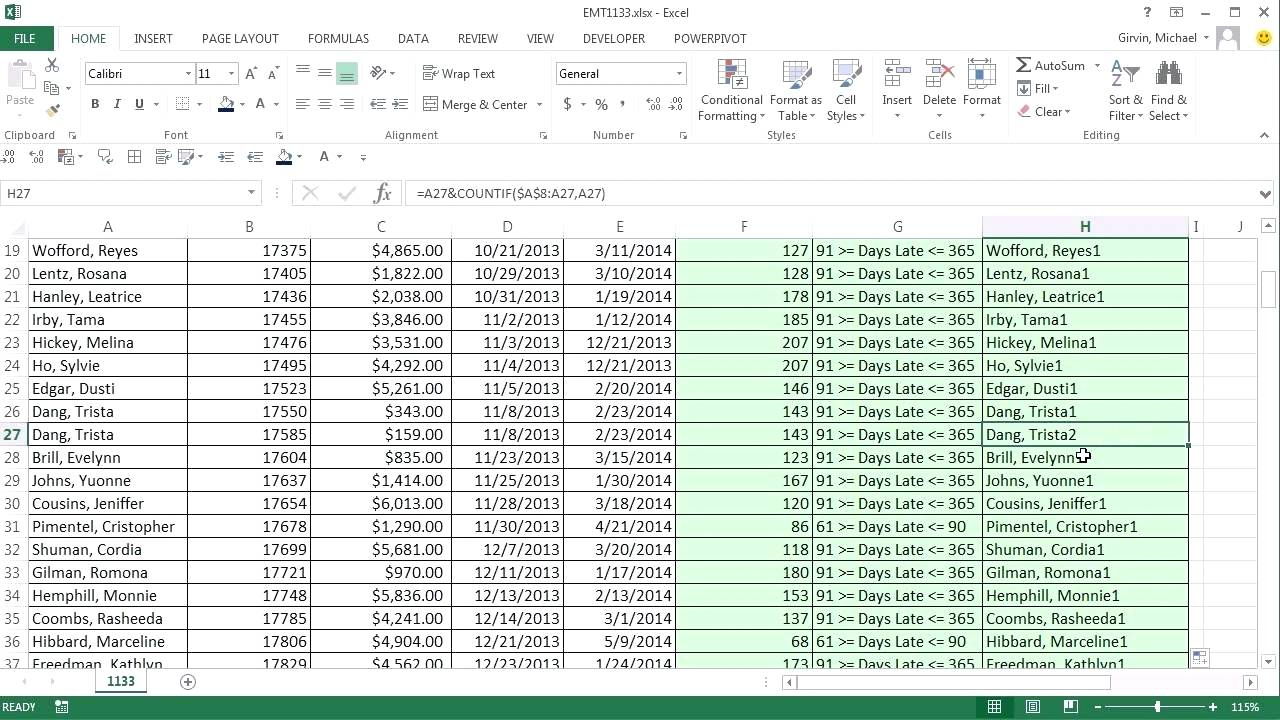
Account Receivable Template Excel Format 12 Down Town Ken More in

EXCEL of Invoice and Accounts Receivable Statement.xlsx WPS Free
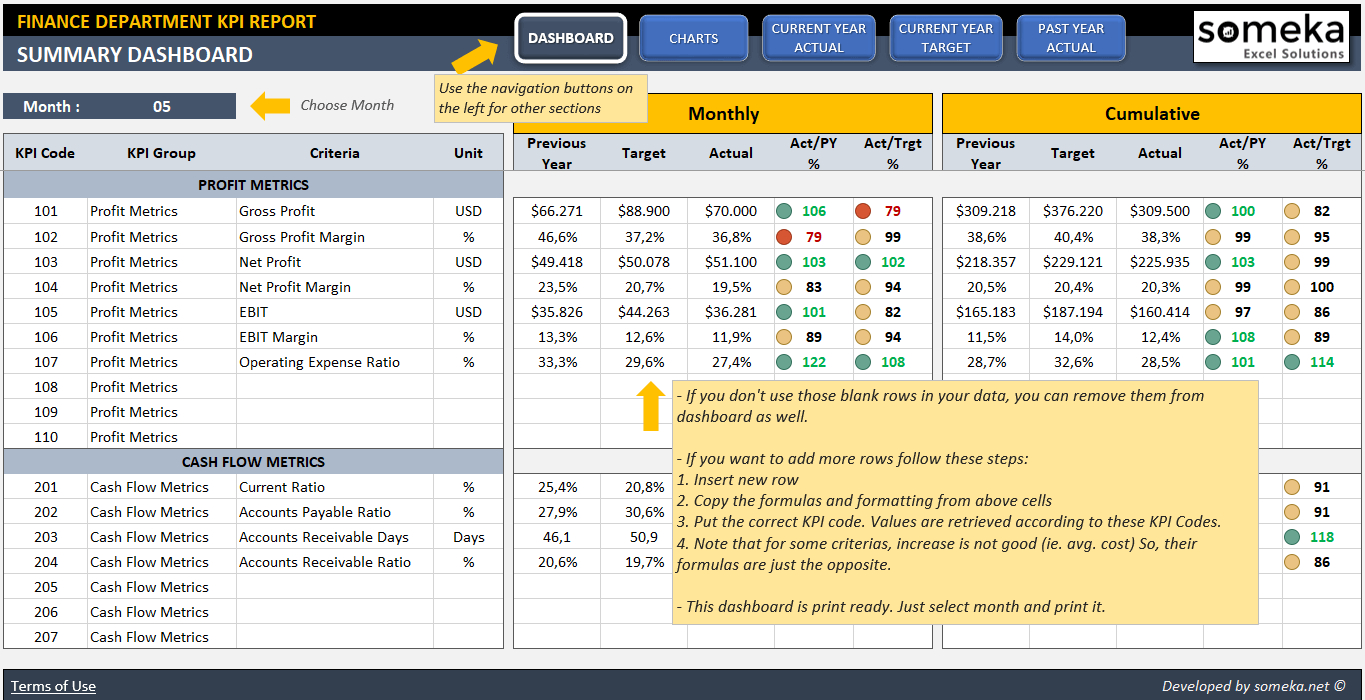
Accounts Receivable Dashboard Excel Template Free Download

Accounts Receivable Excel Spreadsheet Template Free

Accounts Receivable Excel Template Printable
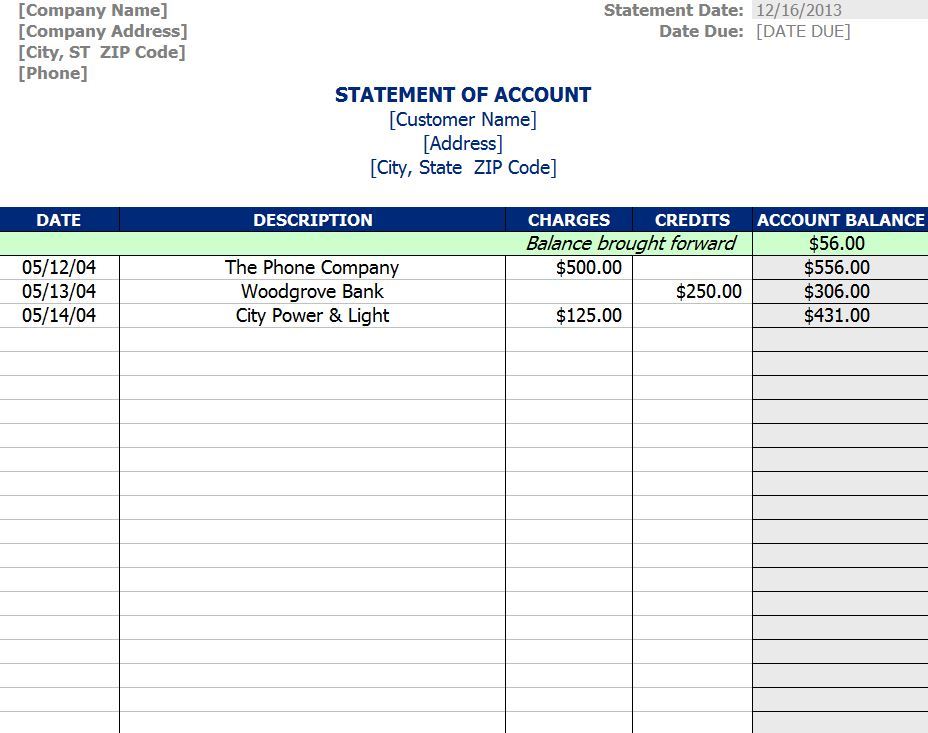
Accounts Receivable Excel Spreadsheet Template —
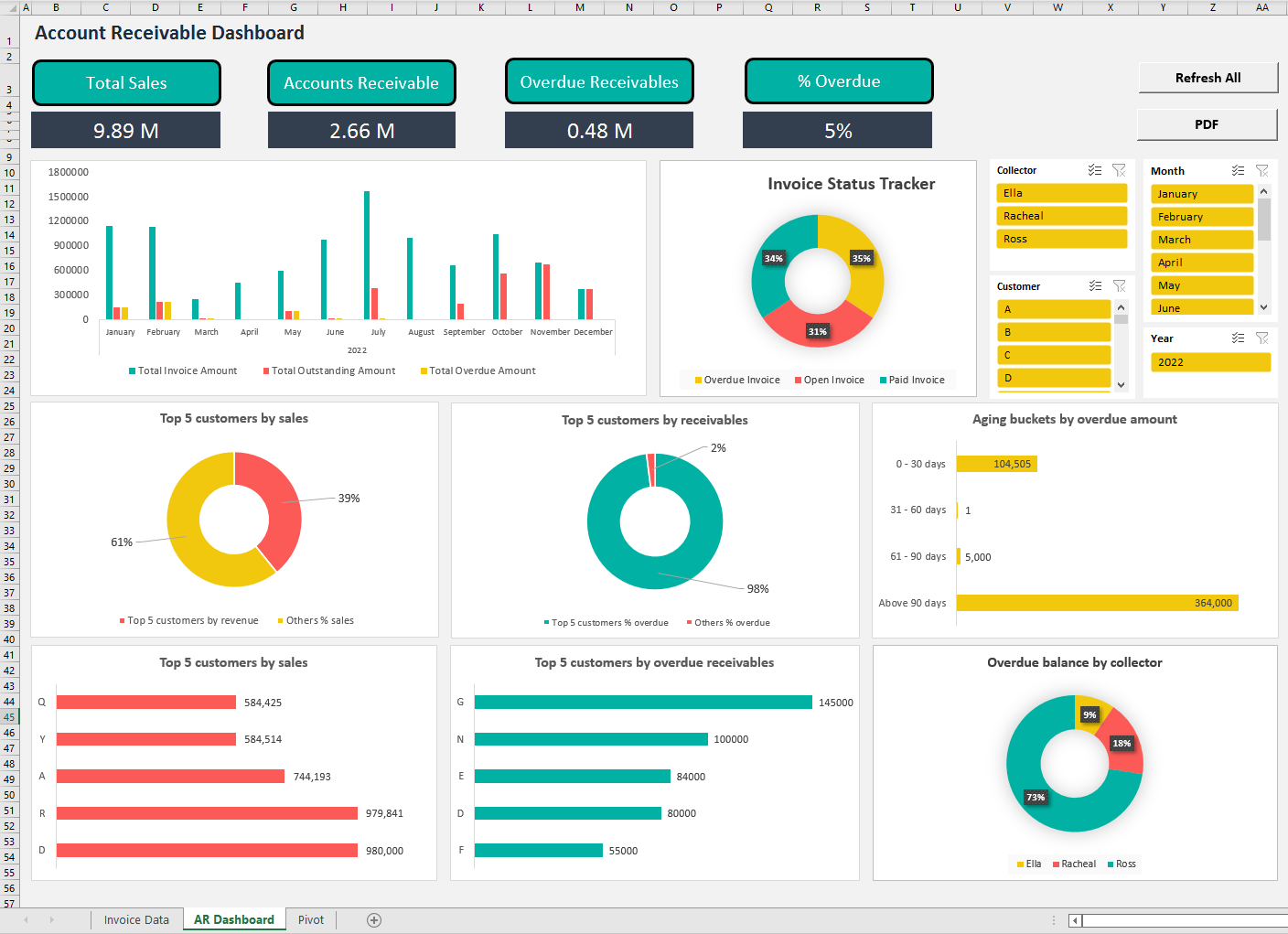
Accounts Receivable Dashboard Excel Template Free Download

Accounts Receivable Excel Spreadsheet Template —
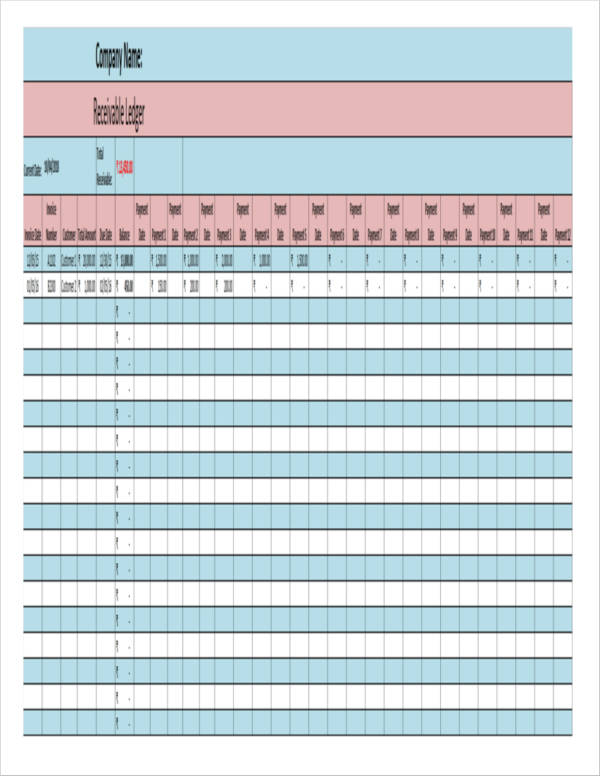
FREE 7+ Accounts Receivable Spreadsheet Samples and Templates in Excel
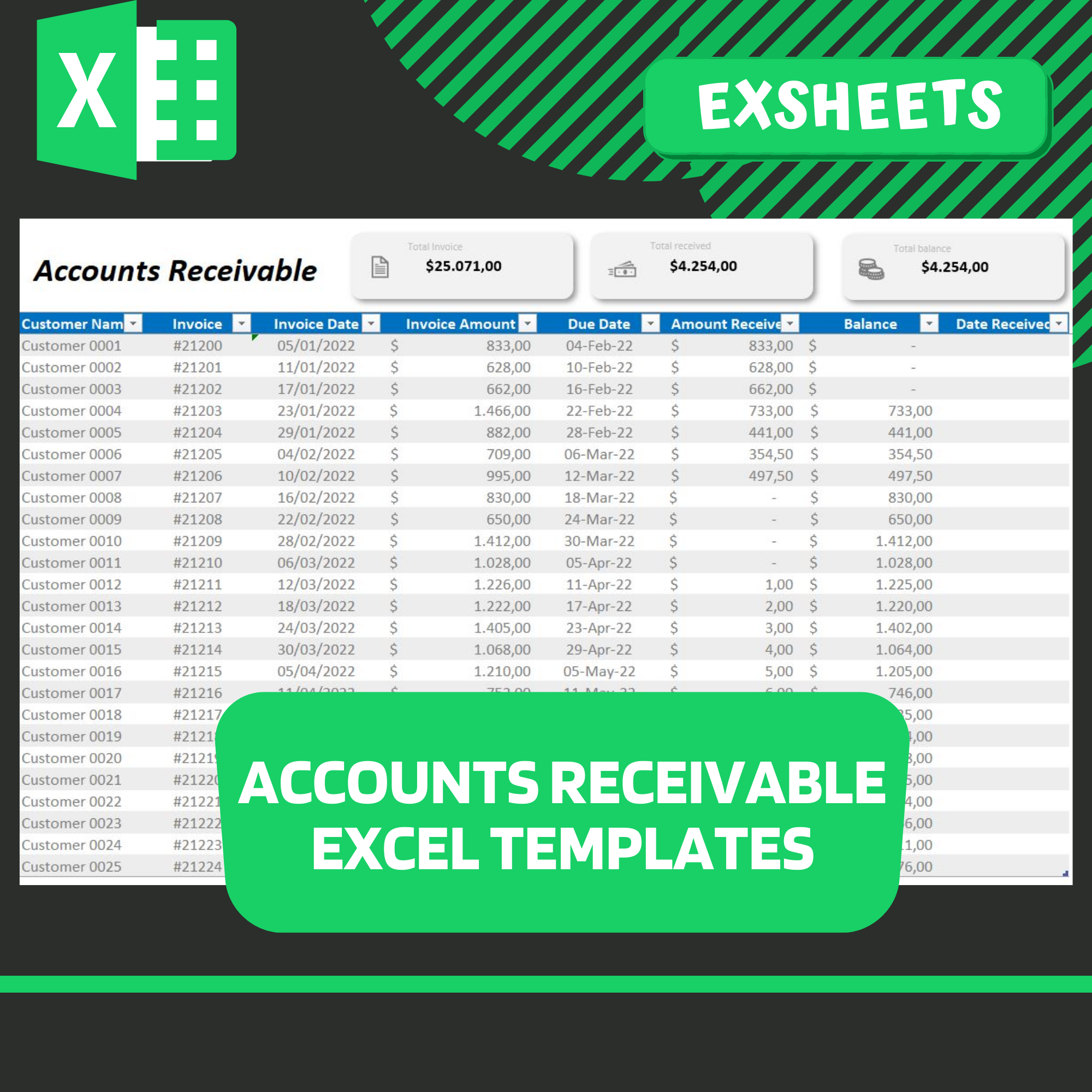
Accounts Receivable Excel Templates Exsheets
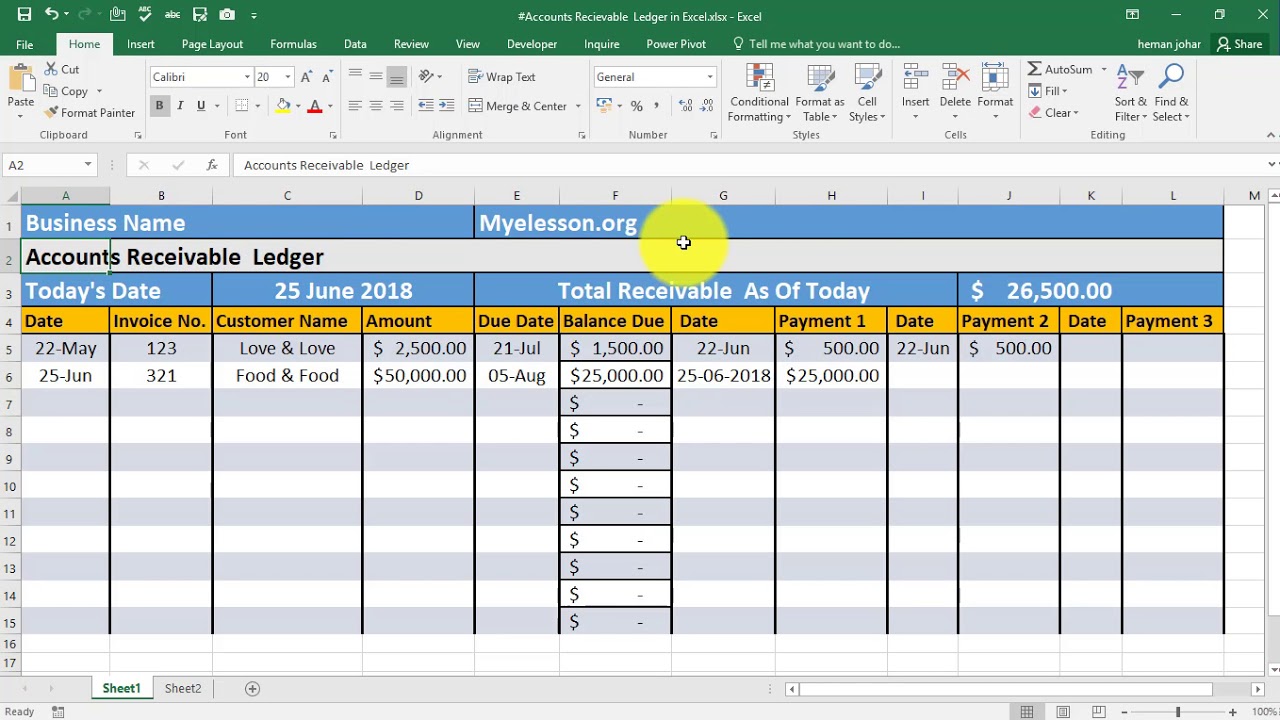
Excel Accounts Receivable Template

12 Account Receivable Template Excel Format Excel Templates

EXCEL of Accounts Receivable and Accounts Payable Form.xls WPS Free
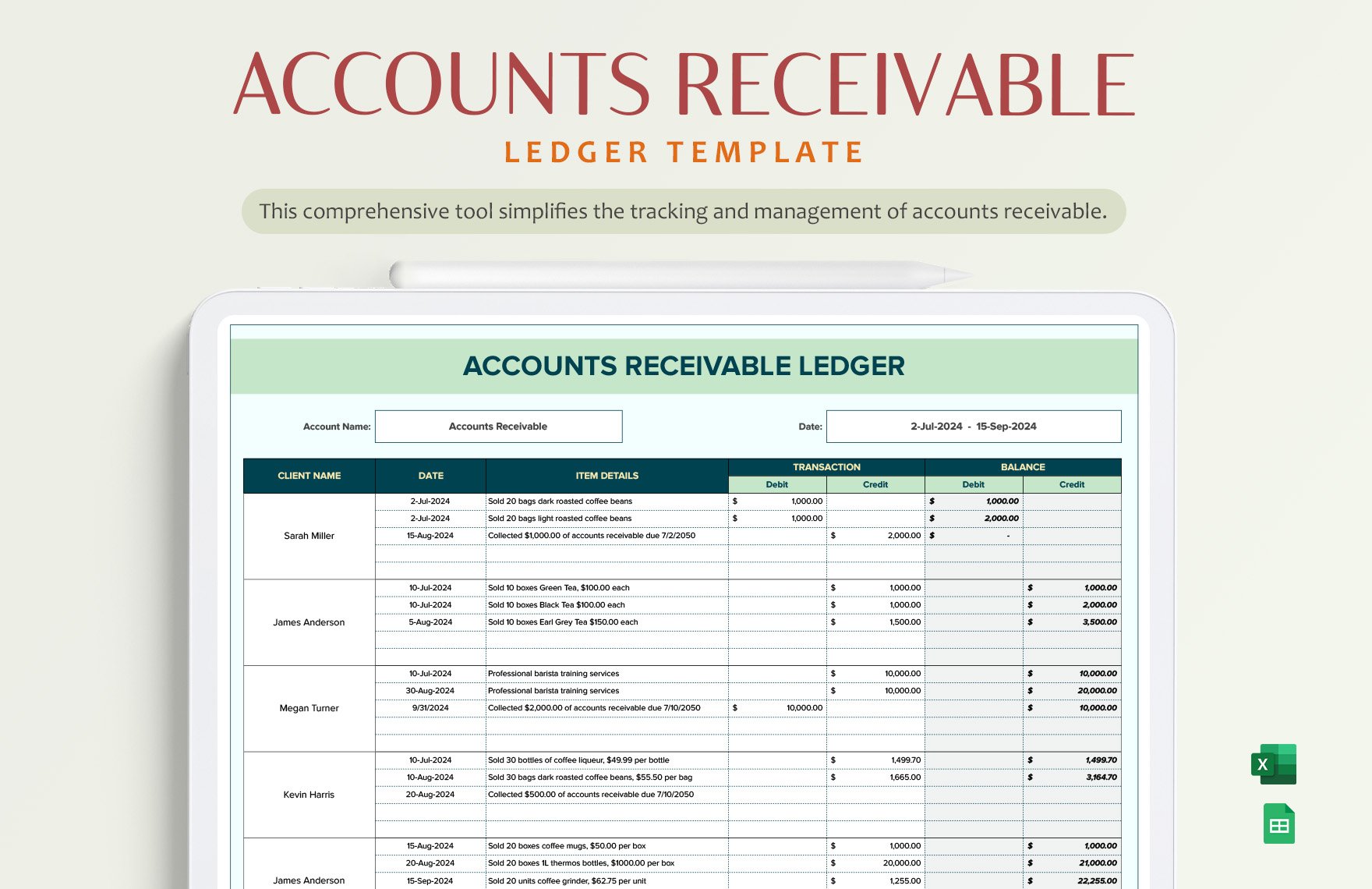
Accounts Receivable Ledger Template in Excel, Google Sheets Download
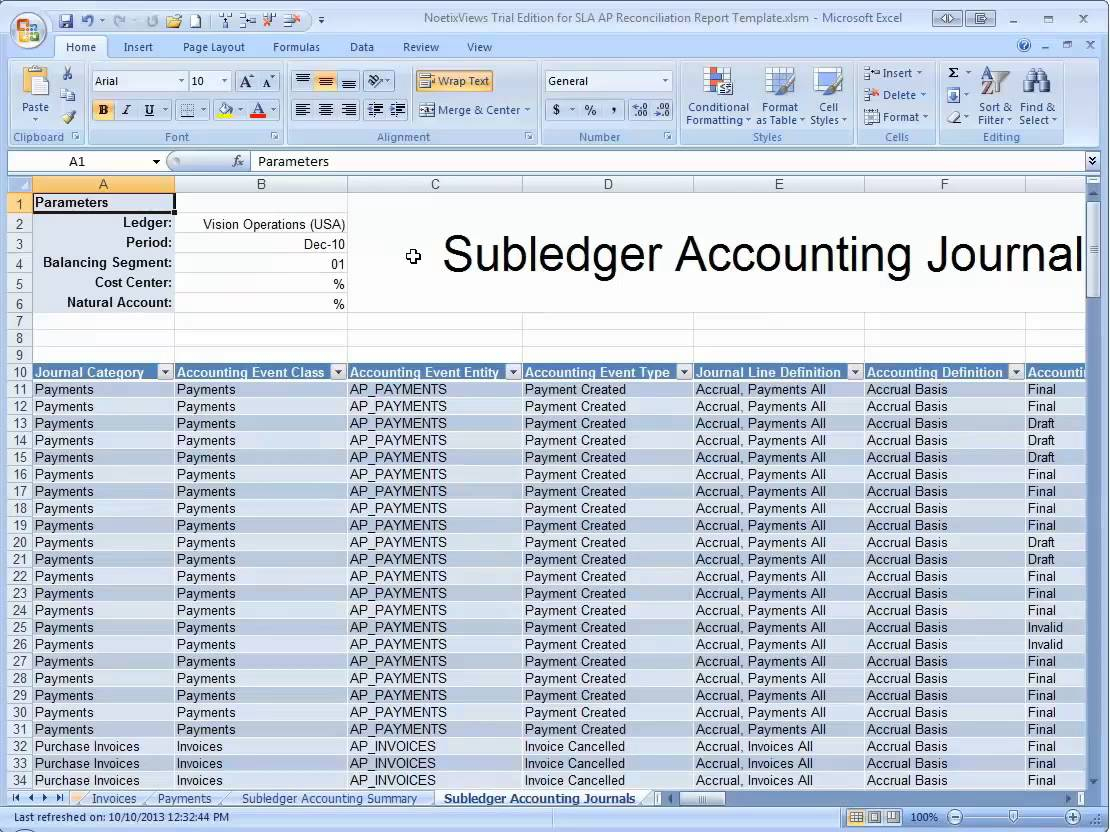
Accounts Receivable Excel Spreadsheet Template Free —
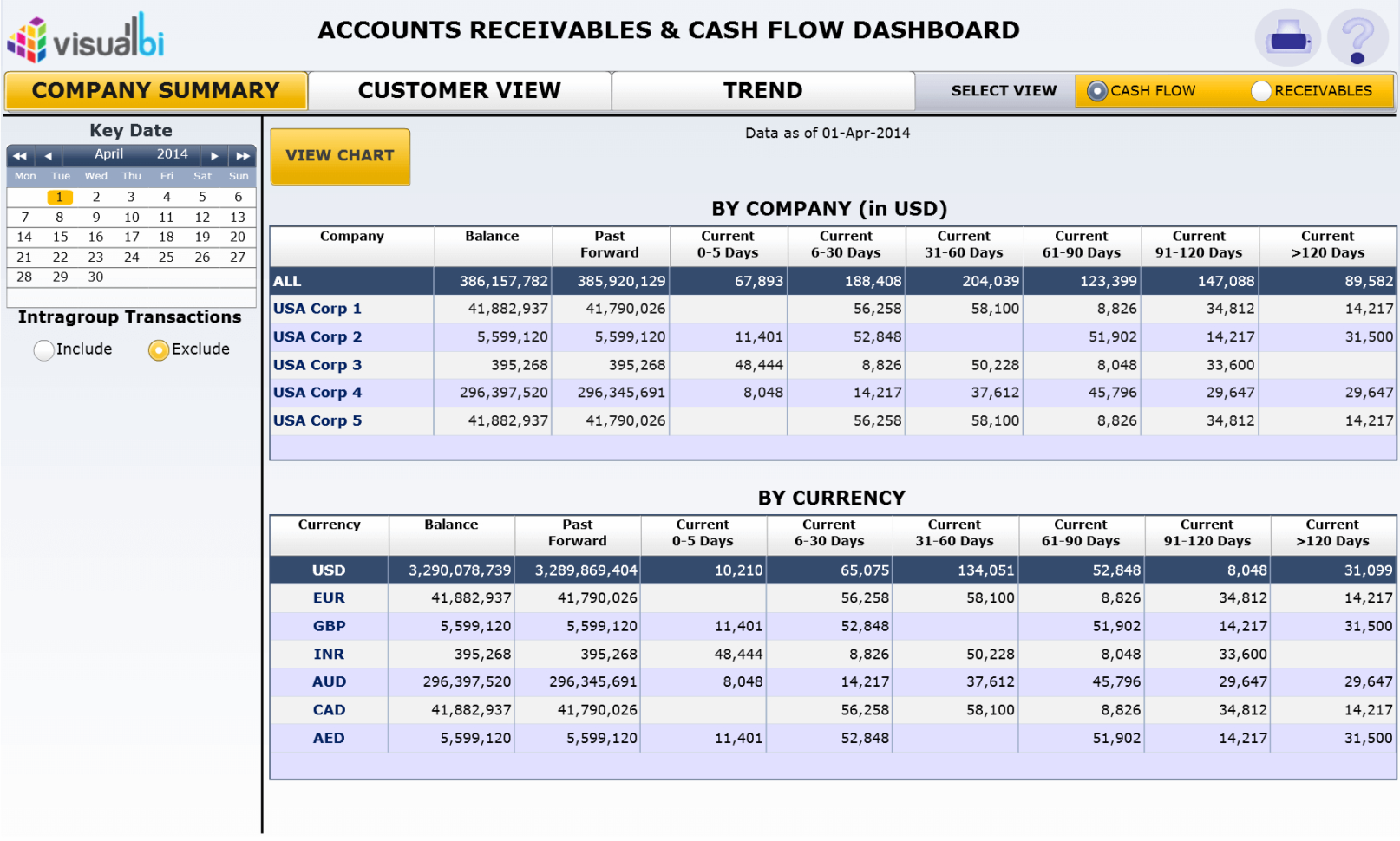
Accounts Receivable Excel Template
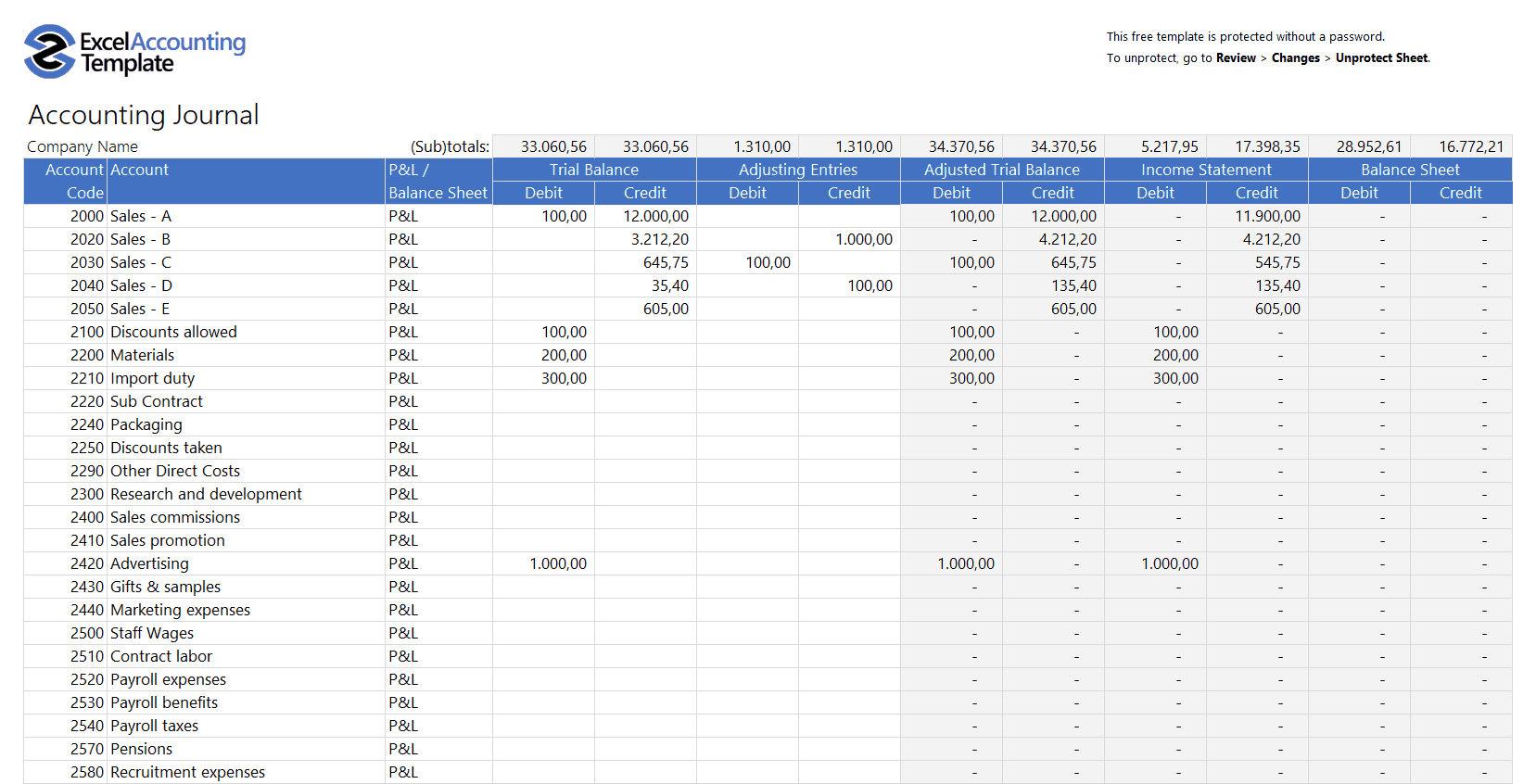
Accounts Receivable Spreadsheet Template —

EXCEL of Account Receivable Details.xlsx WPS Free Templates
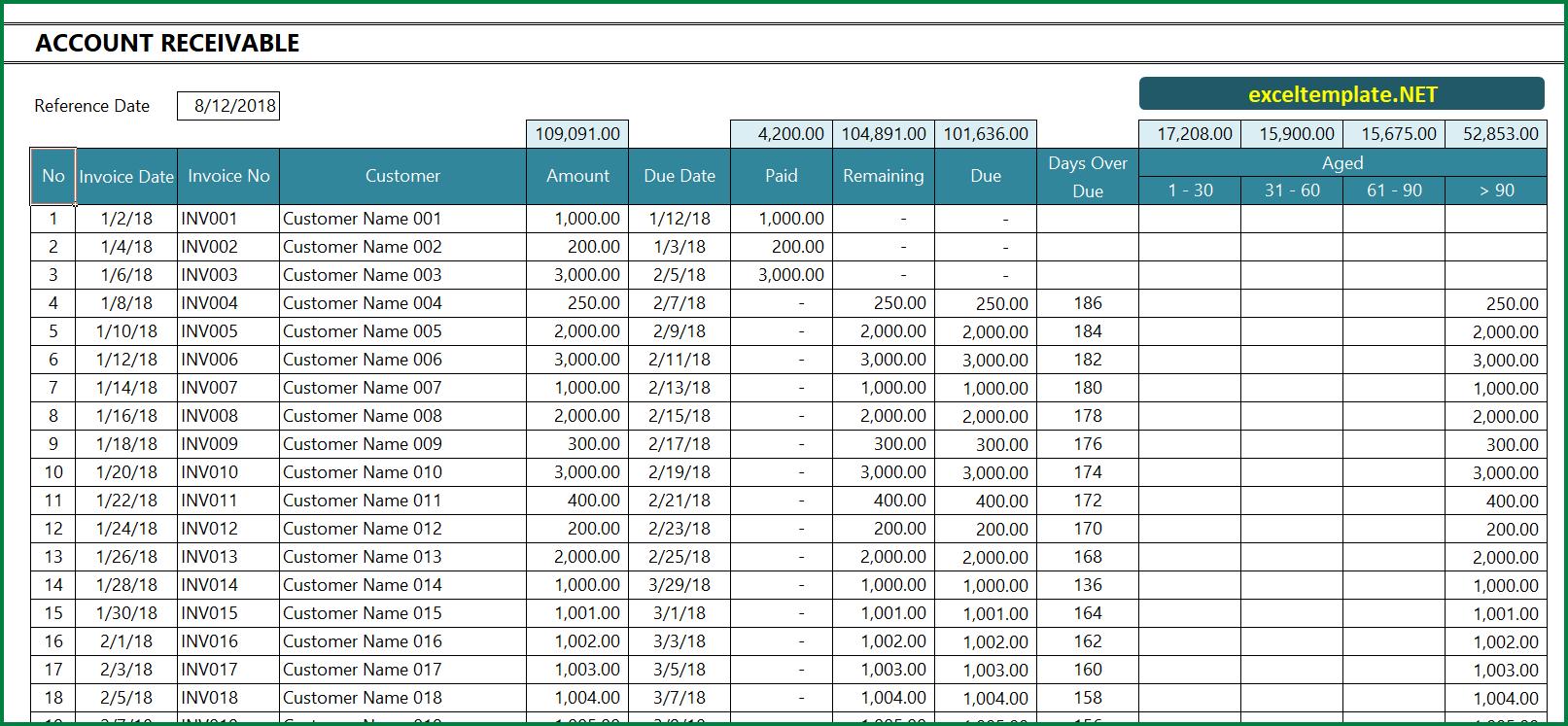
Account Receivable Excel Template » The Spreadsheet Page Worksheets
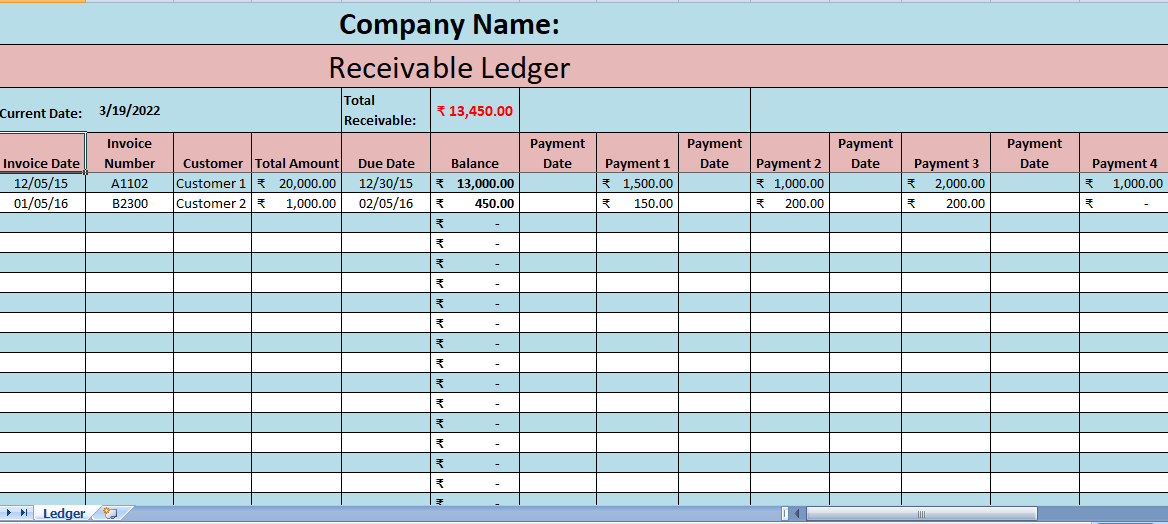
35 useful Accounting Templates in excel sheet for free
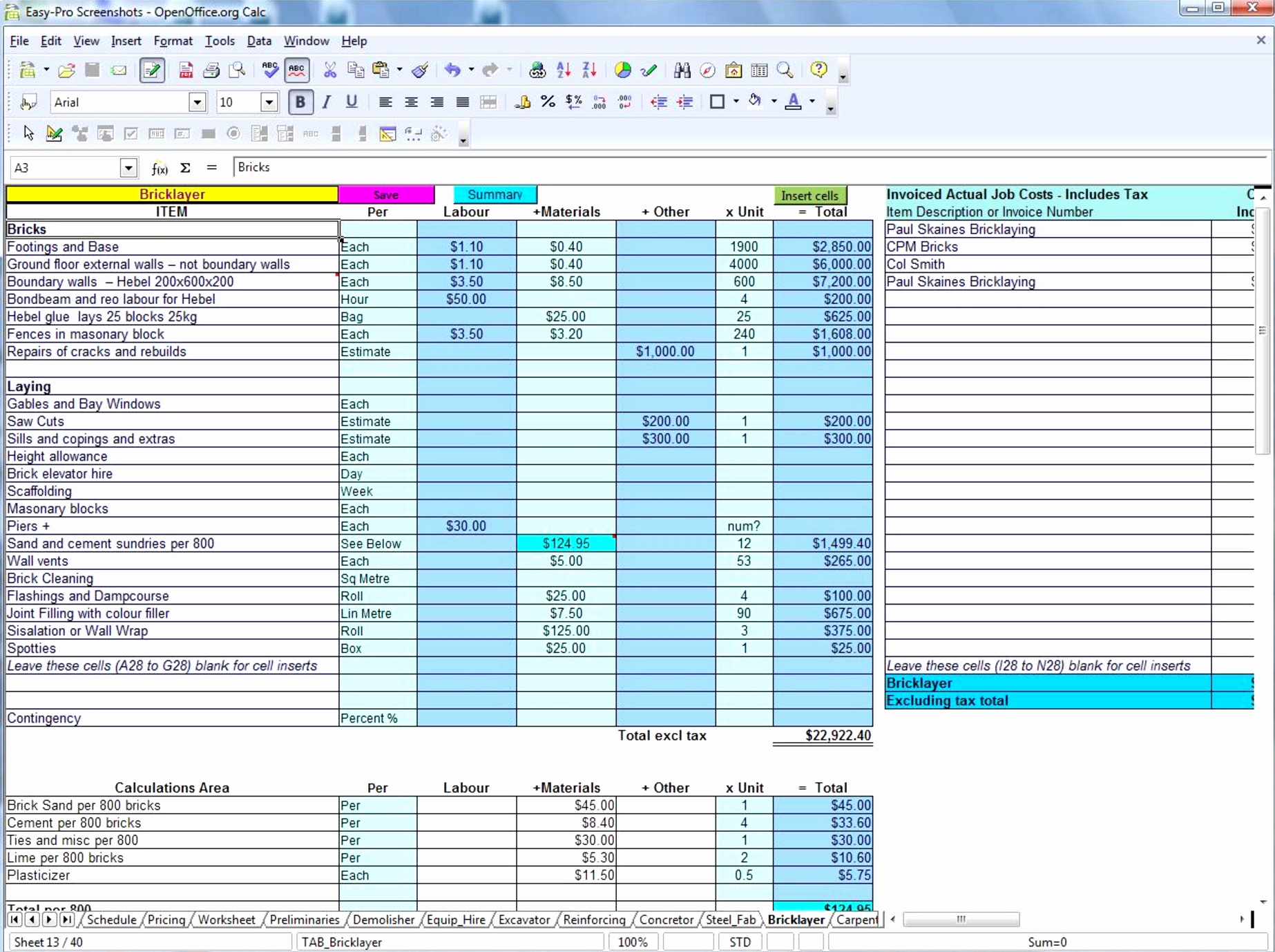
Accounts Receivable Spreadsheet Template —

Free Accounts Receivable Templates For Google Sheets And Microsoft

EXCEL of Light Blue Accounts Receivable and Accounts Payable Form.xls

Accounts Receivable Excel Template

EXCEL of Business Accounts Receivable.xlsx WPS Free Templates
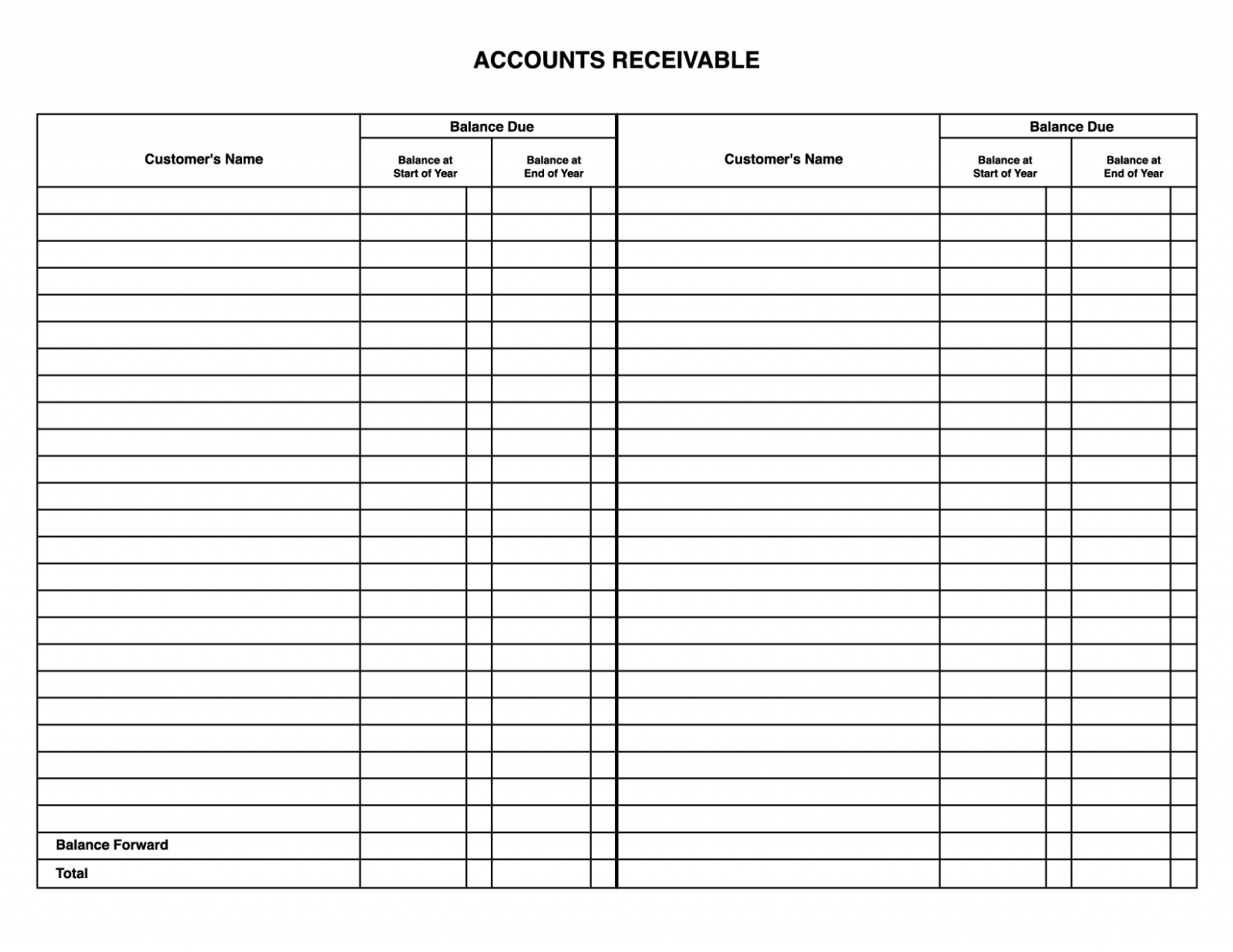
Accounts Receivable Spreadsheet —
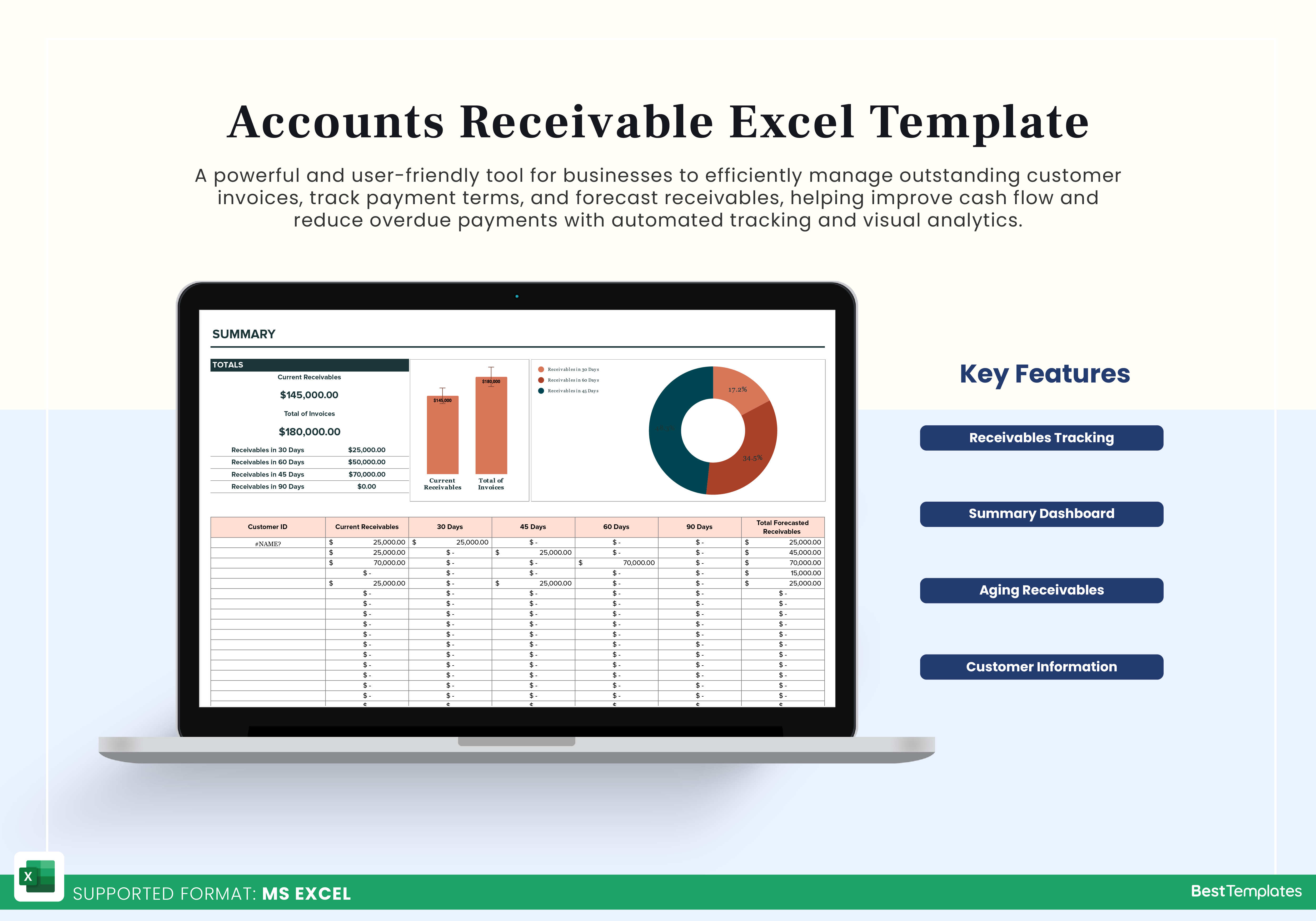
Accounts Receivable Excel Template Best Templates
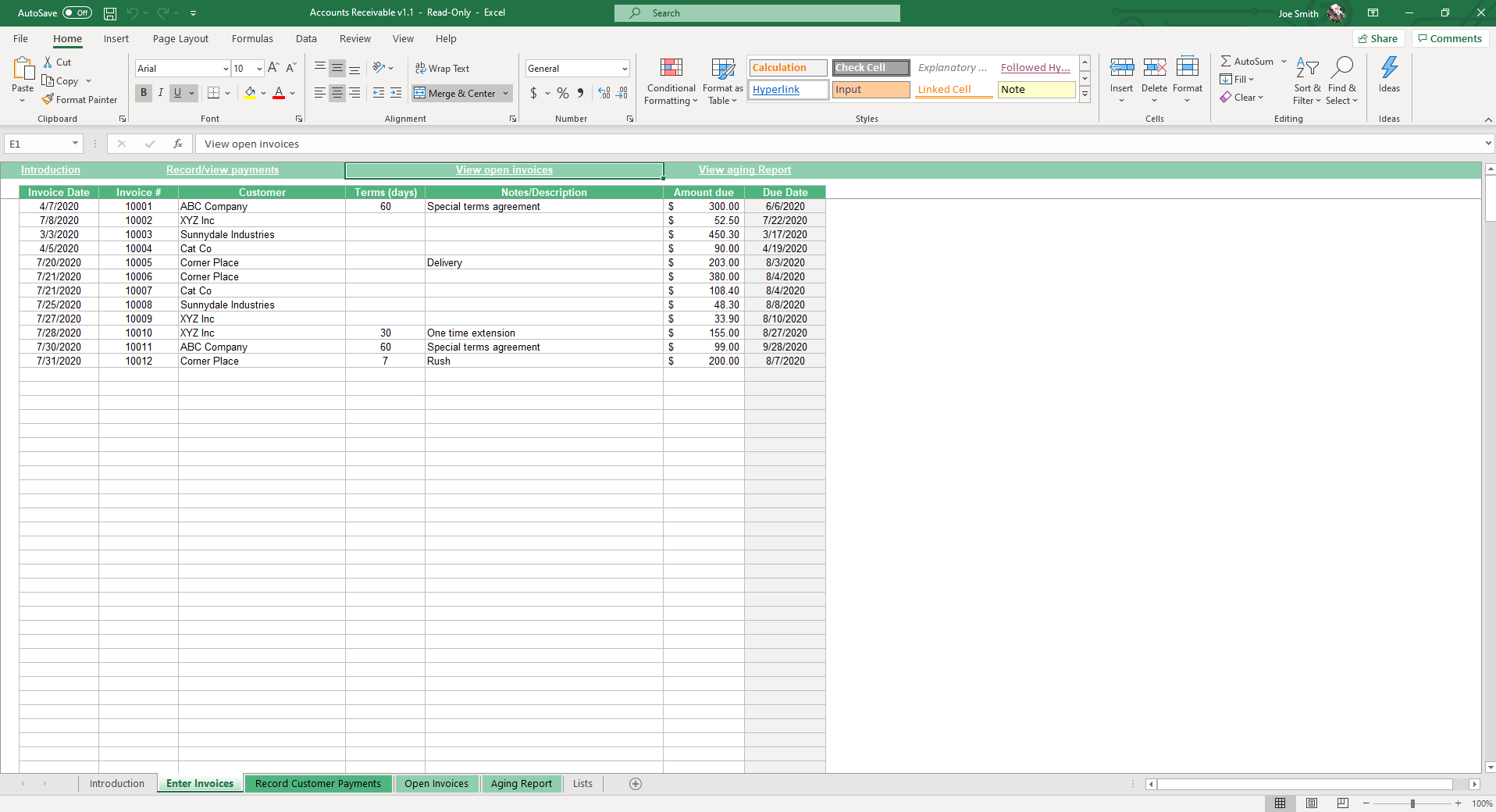
Accounts Receivable Excel Template Simple Sheets

Accounts Receivable Dashboard Excel Template
Accounts Receivable Is The Balance Of Funds Owed To A Company By Its Customers For Goods Or Services That Have Been Delivered Or Used But Not Yet Paid For.
Accounts Receivable Refers To Money Due To A Seller From Buyers Who Have Not Yet Paid For Their Purchases.
A Receivable Is A Legal Right To Collect Payment From Someone Who Owes You Money, Recorded As An Asset On A Balance Sheet Until The Cash Arrives.
Related Post: