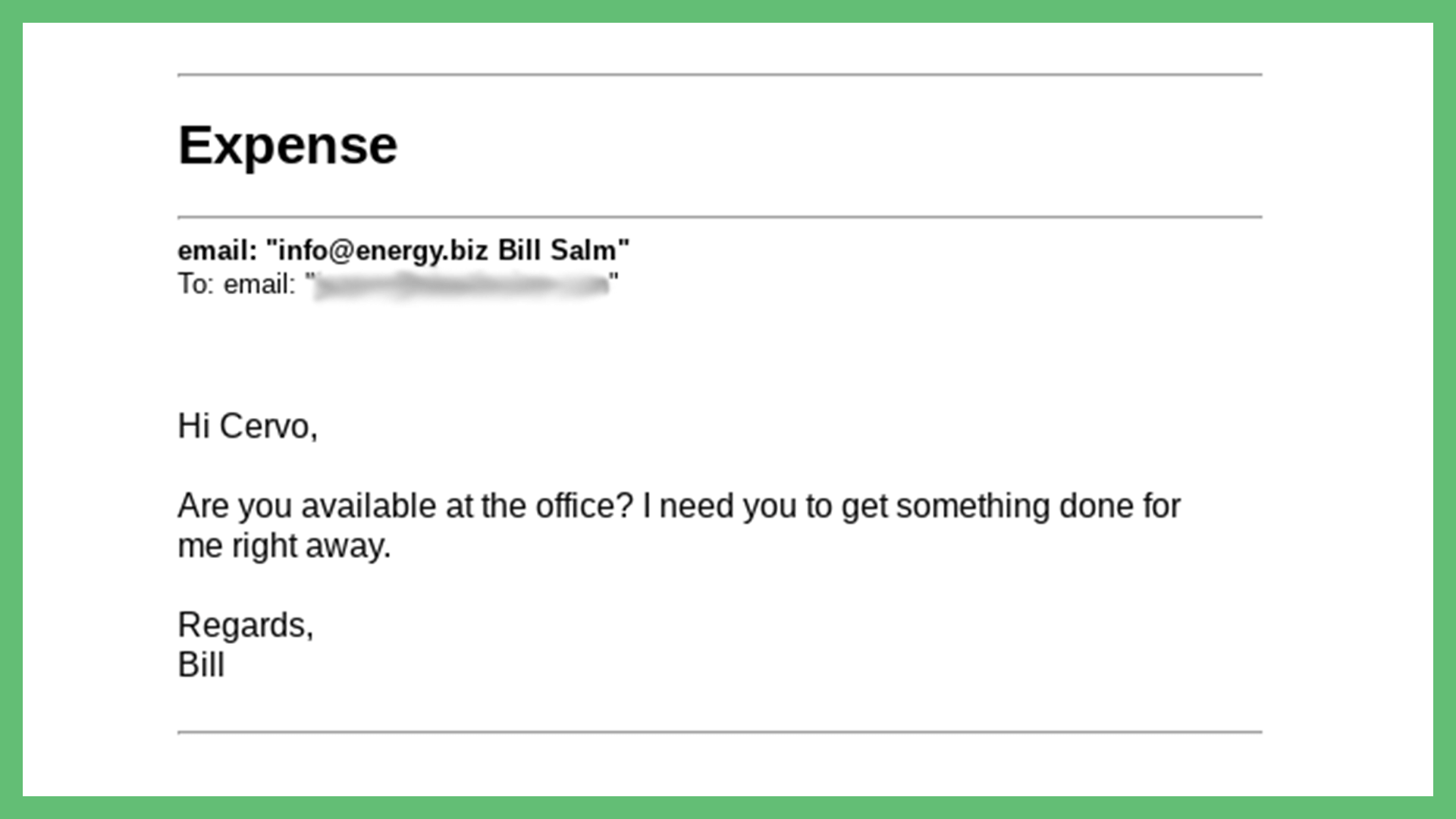
Phishing Email Templates
Phishing Email Templates - Phishing is a type of cyberattack where attackers masquerade as trusted sources to steal sensitive information. Phishing is a type of cyberattack that uses fraudulent emails, text messages, phone calls or websites to trick people into sharing sensitive data, downloading malware or otherwise exposing. Spoofing and phishing are schemes aimed at tricking you into providing sensitive information—like your password or bank pin—to scammers. Common signs of phishing emails include suspicious senders, urgent requests, generic greetings,. Phishing is a cybercrime where attackers trick people into giving sensitive information through fake emails, texts, or calls. 'phishing' is when criminals use scam emails, text messages or phone calls to trick their victims. These attacks work by deceiving individuals into providing information through fake. Scammers use email or text messages to. Scammers use email or text messages to trick you into giving them your personal and financial information. It works like “fishing,” using bait to lure targets into clicking. Scammers use email or text messages to. Phishing is a type of cyberattack that uses fraudulent emails, text messages, phone calls or websites to trick people into sharing sensitive data, downloading malware or otherwise exposing. Common signs of phishing emails include suspicious senders, urgent requests, generic greetings,. Criminals pose as trusted sources and create urgent messages to push. Spoofing and. But there are several ways to protect yourself. 'phishing' is when criminals use scam emails, text messages or phone calls to trick their victims. Spoofing and phishing are schemes aimed at tricking you into providing sensitive information—like your password or bank pin—to scammers. Phishing is a cyberattack where attackers use fake messages or websites to trick victims into giving away. The aim is often to make you visit a website, which may download a virus onto your computer, or. Phishing is a form of social engineering and a scam where attackers deceive people into revealing sensitive information [1] or installing malware such as viruses, worms, adware, or ransomware. 'phishing' is when criminals use scam emails, text messages or phone calls. The aim is often to make you visit a website, which may download a virus onto your computer, or. Phishing emails are designed to steal personal information by pretending to be from legitimate sources. These attacks work by deceiving individuals into providing information through fake. Phishing is a cyberattack where attackers use fake messages or websites to trick victims into. 'phishing' is when criminals use scam emails, text messages or phone calls to trick their victims. Phishing is a type of cyberattack where attackers masquerade as trusted sources to steal sensitive information. It works like “fishing,” using bait to lure targets into clicking. Phishing is a form of social engineering and a scam where attackers deceive people into revealing sensitive. Spoofing and phishing are schemes aimed at tricking you into providing sensitive information—like your password or bank pin—to scammers. These attacks work by deceiving individuals into providing information through fake. But there are several ways to protect yourself. Phishing is a type of cyberattack that uses fraudulent emails, text messages, phone calls or websites to trick people into sharing sensitive. Phishing emails are designed to steal personal information by pretending to be from legitimate sources. Spoofing and phishing are schemes aimed at tricking you into providing sensitive information—like your password or bank pin—to scammers. 'phishing' is when criminals use scam emails, text messages or phone calls to trick their victims. But there are several ways to protect yourself. The aim. Phishing is a type of cyberattack where attackers masquerade as trusted sources to steal sensitive information. Scammers use email or text messages to trick you into giving them your personal and financial information. Common signs of phishing emails include suspicious senders, urgent requests, generic greetings,. Phishing is a type of cyberattack that uses fraudulent emails, text messages, phone calls or. Criminals pose as trusted sources and create urgent messages to push. But there are several ways to protect yourself. These attacks work by deceiving individuals into providing information through fake. Scammers use email or text messages to. Phishing emails are designed to steal personal information by pretending to be from legitimate sources. It works like “fishing,” using bait to lure targets into clicking. Phishing emails are designed to steal personal information by pretending to be from legitimate sources. Scammers use email or text messages to. But there are several ways to protect yourself. Spoofing and phishing are schemes aimed at tricking you into providing sensitive information—like your password or bank pin—to scammers. Phishing is a type of cyberattack where attackers masquerade as trusted sources to steal sensitive information. Phishing is a type of cyberattack that uses fraudulent emails, text messages, phone calls or websites to trick people into sharing sensitive data, downloading malware or otherwise exposing. Phishing is a cyberattack where attackers use fake messages or websites to trick victims into giving. Phishing emails are designed to steal personal information by pretending to be from legitimate sources. Phishing is a cyberattack where attackers use fake messages or websites to trick victims into giving away sensitive information. Spoofing and phishing are schemes aimed at tricking you into providing sensitive information—like your password or bank pin—to scammers. Scammers use email or text messages to.. Spoofing and phishing are schemes aimed at tricking you into providing sensitive information—like your password or bank pin—to scammers. Criminals pose as trusted sources and create urgent messages to push. Phishing is a type of cyberattack that uses fraudulent emails, text messages, phone calls or websites to trick people into sharing sensitive data, downloading malware or otherwise exposing. These attacks. Scammers use email or text messages to. It works like “fishing,” using bait to lure targets into clicking. Phishing emails are designed to steal personal information by pretending to be from legitimate sources. Phishing is a type of cyberattack where attackers masquerade as trusted sources to steal sensitive information. Spoofing and phishing are schemes aimed at tricking you into providing. Scammers use email or text messages to. Spoofing and phishing are schemes aimed at tricking you into providing sensitive information—like your password or bank pin—to scammers. Phishing is a cyberattack where attackers use fake messages or websites to trick victims into giving away sensitive information. Common signs of phishing emails include suspicious senders, urgent requests, generic greetings,. It works like. Phishing is a cybercrime where attackers trick people into giving sensitive information through fake emails, texts, or calls. It works like “fishing,” using bait to lure targets into clicking. Spoofing and phishing are schemes aimed at tricking you into providing sensitive information—like your password or bank pin—to scammers. Criminals pose as trusted sources and create urgent messages to push. Phishing. Phishing emails are designed to steal personal information by pretending to be from legitimate sources. These attacks work by deceiving individuals into providing information through fake. Phishing is a cybercrime where attackers trick people into giving sensitive information through fake emails, texts, or calls. 'phishing' is when criminals use scam emails, text messages or phone calls to trick their victims.. It works like “fishing,” using bait to lure targets into clicking. Phishing emails are designed to steal personal information by pretending to be from legitimate sources. Criminals pose as trusted sources and create urgent messages to push. Phishing is a type of cyberattack that uses fraudulent emails, text messages, phone calls or websites to trick people into sharing sensitive data,. Criminals pose as trusted sources and create urgent messages to push. Spoofing and phishing are schemes aimed at tricking you into providing sensitive information—like your password or bank pin—to scammers. Phishing is a form of social engineering and a scam where attackers deceive people into revealing sensitive information [1] or installing malware such as viruses, worms, adware, or ransomware. But. Phishing emails are designed to steal personal information by pretending to be from legitimate sources. Common signs of phishing emails include suspicious senders, urgent requests, generic greetings,. But there are several ways to protect yourself. It works like “fishing,” using bait to lure targets into clicking. Spoofing and phishing are schemes aimed at tricking you into providing sensitive information—like your. Phishing is a type of cyberattack that uses fraudulent emails, text messages, phone calls or websites to trick people into sharing sensitive data, downloading malware or otherwise exposing. Phishing emails are designed to steal personal information by pretending to be from legitimate sources. Spoofing and phishing are schemes aimed at tricking you into providing sensitive information—like your password or bank. Phishing emails are designed to steal personal information by pretending to be from legitimate sources. Criminals pose as trusted sources and create urgent messages to push. Phishing is a cyberattack where attackers use fake messages or websites to trick victims into giving away sensitive information. Phishing is a form of social engineering and a scam where attackers deceive people into. But there are several ways to protect yourself. The aim is often to make you visit a website, which may download a virus onto your computer, or. Phishing is a form of social engineering and a scam where attackers deceive people into revealing sensitive information [1] or installing malware such as viruses, worms, adware, or ransomware. Scammers use email or. But there are several ways to protect yourself. Phishing is a cyberattack where attackers use fake messages or websites to trick victims into giving away sensitive information. Phishing is a form of social engineering and a scam where attackers deceive people into revealing sensitive information [1] or installing malware such as viruses, worms, adware, or ransomware. The aim is often. These attacks work by deceiving individuals into providing information through fake. But there are several ways to protect yourself. Phishing emails are designed to steal personal information by pretending to be from legitimate sources. 'phishing' is when criminals use scam emails, text messages or phone calls to trick their victims. Phishing is a form of social engineering and a scam. Phishing emails are designed to steal personal information by pretending to be from legitimate sources. These attacks work by deceiving individuals into providing information through fake. But there are several ways to protect yourself. Phishing is a type of cyberattack that uses fraudulent emails, text messages, phone calls or websites to trick people into sharing sensitive data, downloading malware or. These attacks work by deceiving individuals into providing information through fake. Phishing is a form of social engineering and a scam where attackers deceive people into revealing sensitive information [1] or installing malware such as viruses, worms, adware, or ransomware. Criminals pose as trusted sources and create urgent messages to push. Phishing is a type of cyberattack where attackers masquerade. 'phishing' is when criminals use scam emails, text messages or phone calls to trick their victims. Phishing is a cybercrime where attackers trick people into giving sensitive information through fake emails, texts, or calls. These attacks work by deceiving individuals into providing information through fake. Phishing is a type of cyberattack where attackers masquerade as trusted sources to steal sensitive. Criminals pose as trusted sources and create urgent messages to push. Phishing is a type of cyberattack where attackers masquerade as trusted sources to steal sensitive information. Phishing emails are designed to steal personal information by pretending to be from legitimate sources. Spoofing and phishing are schemes aimed at tricking you into providing sensitive information—like your password or bank pin—to. Scammers use email or text messages to trick you into giving them your personal and financial information. But there are several ways to protect yourself. These attacks work by deceiving individuals into providing information through fake. Phishing is a type of cyberattack that uses fraudulent emails, text messages, phone calls or websites to trick people into sharing sensitive data, downloading. Phishing is a cybercrime where attackers trick people into giving sensitive information through fake emails, texts, or calls. Phishing is a type of cyberattack that uses fraudulent emails, text messages, phone calls or websites to trick people into sharing sensitive data, downloading malware or otherwise exposing. Common signs of phishing emails include suspicious senders, urgent requests, generic greetings,. But there. The aim is often to make you visit a website, which may download a virus onto your computer, or. Common signs of phishing emails include suspicious senders, urgent requests, generic greetings,. Scammers use email or text messages to. Scammers use email or text messages to trick you into giving them your personal and financial information. Phishing is a cyberattack where. Phishing is a cybercrime where attackers trick people into giving sensitive information through fake emails, texts, or calls. Phishing is a type of cyberattack where attackers masquerade as trusted sources to steal sensitive information. Phishing emails are designed to steal personal information by pretending to be from legitimate sources. Scammers use email or text messages to trick you into giving. Scammers use email or text messages to trick you into giving them your personal and financial information. Phishing is a type of cyberattack that uses fraudulent emails, text messages, phone calls or websites to trick people into sharing sensitive data, downloading malware or otherwise exposing. Common signs of phishing emails include suspicious senders, urgent requests, generic greetings,. Phishing emails are. But there are several ways to protect yourself. Scammers use email or text messages to. Phishing is a form of social engineering and a scam where attackers deceive people into revealing sensitive information [1] or installing malware such as viruses, worms, adware, or ransomware. Phishing is a cyberattack where attackers use fake messages or websites to trick victims into giving. Phishing is a cyberattack where attackers use fake messages or websites to trick victims into giving away sensitive information. Common signs of phishing emails include suspicious senders, urgent requests, generic greetings,. Phishing is a type of cyberattack that uses fraudulent emails, text messages, phone calls or websites to trick people into sharing sensitive data, downloading malware or otherwise exposing. Scammers use email or text messages to trick you into giving them your personal and financial information. It works like “fishing,” using bait to lure targets into clicking. Spoofing and phishing are schemes aimed at tricking you into providing sensitive information—like your password or bank pin—to scammers. Criminals pose as trusted sources and create urgent messages to push. These attacks work by deceiving individuals into providing information through fake. Phishing is a type of cyberattack where attackers masquerade as trusted sources to steal sensitive information. 'phishing' is when criminals use scam emails, text messages or phone calls to trick their victims. The aim is often to make you visit a website, which may download a virus onto your computer, or. Phishing is a cybercrime where attackers trick people into giving sensitive information through fake emails, texts, or calls.
Phishing Email Warning Email Template Unlayer
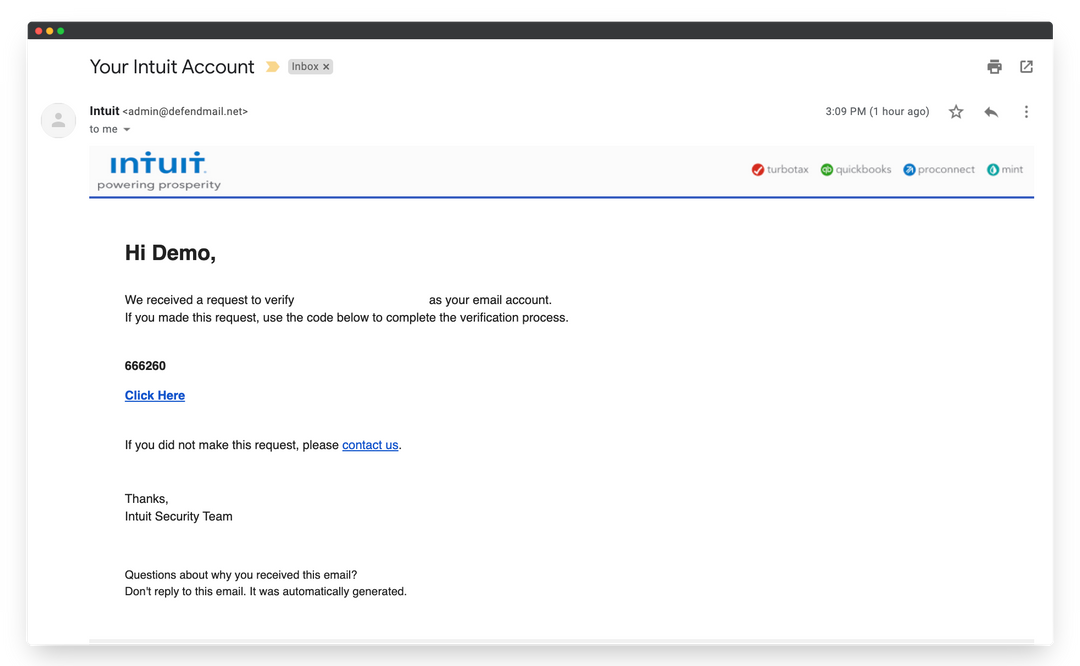
50+ Phishing Email Examples Common Types and Examples of Phishing

Phishing Email Templates Free Phishing Simulations Should Support Both
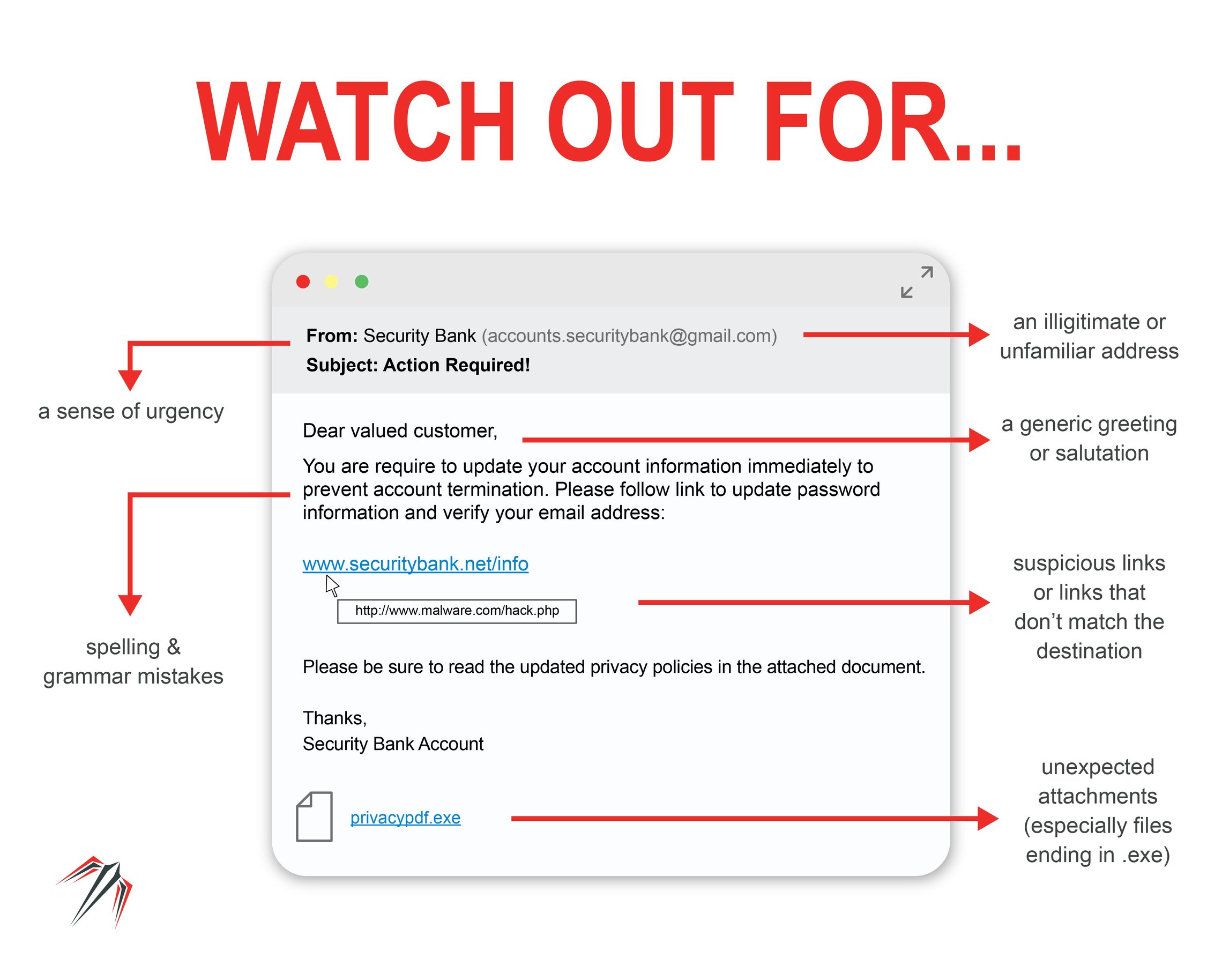
Sample Phishing Email Templates
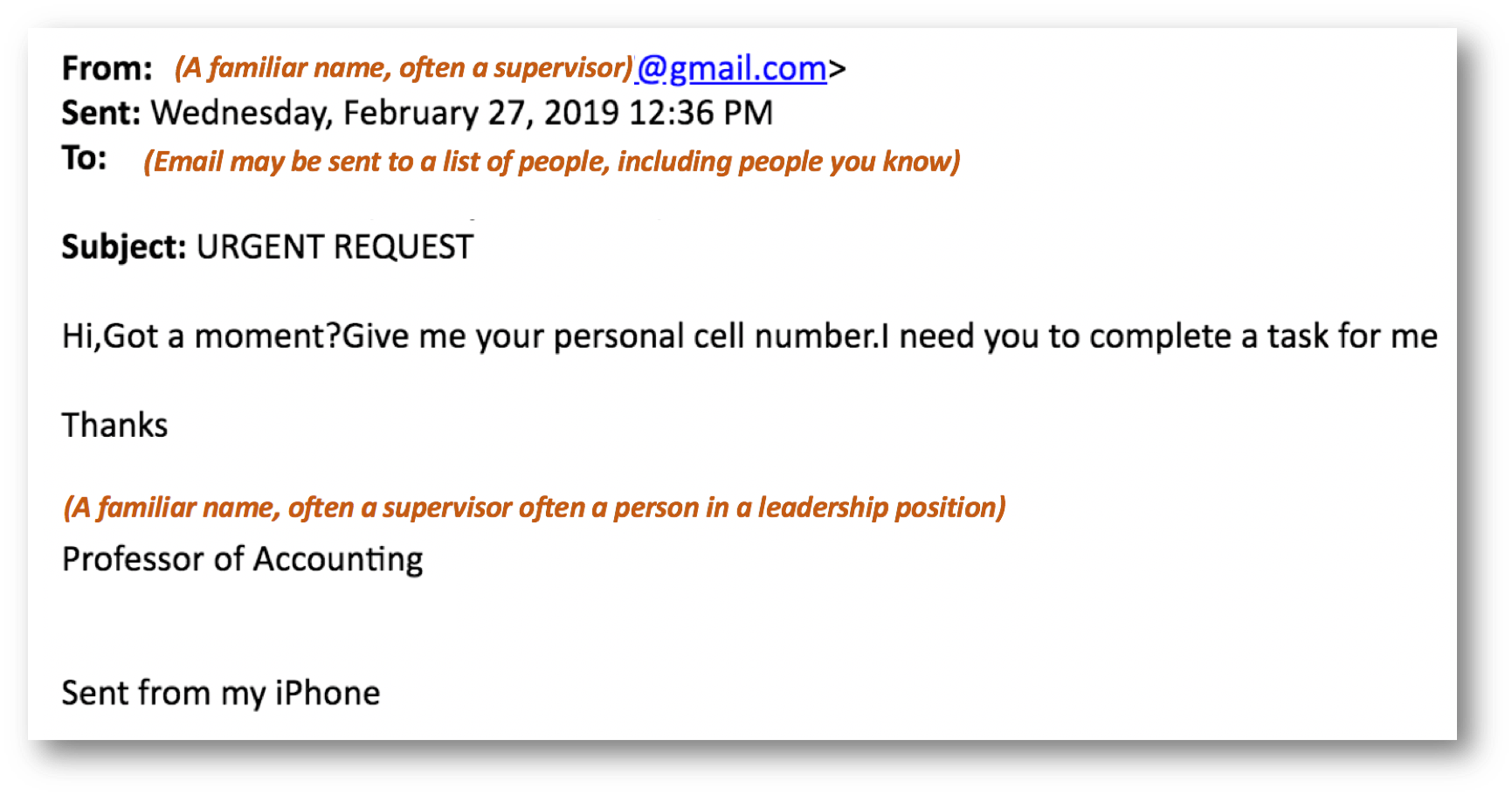
Phishing Email Example URGENT REQUEST University IT
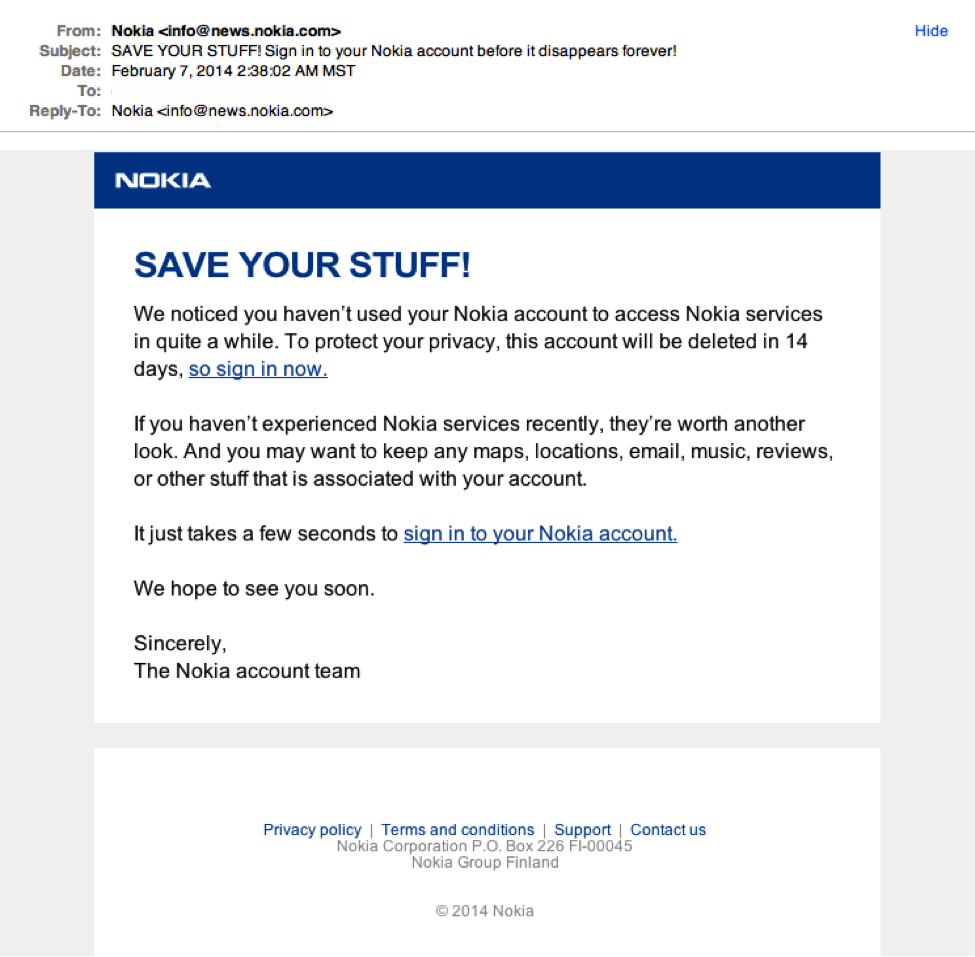
Phishing Email Templates

These are 10 of our Best Phishing Emails. Use Them. Hook Security
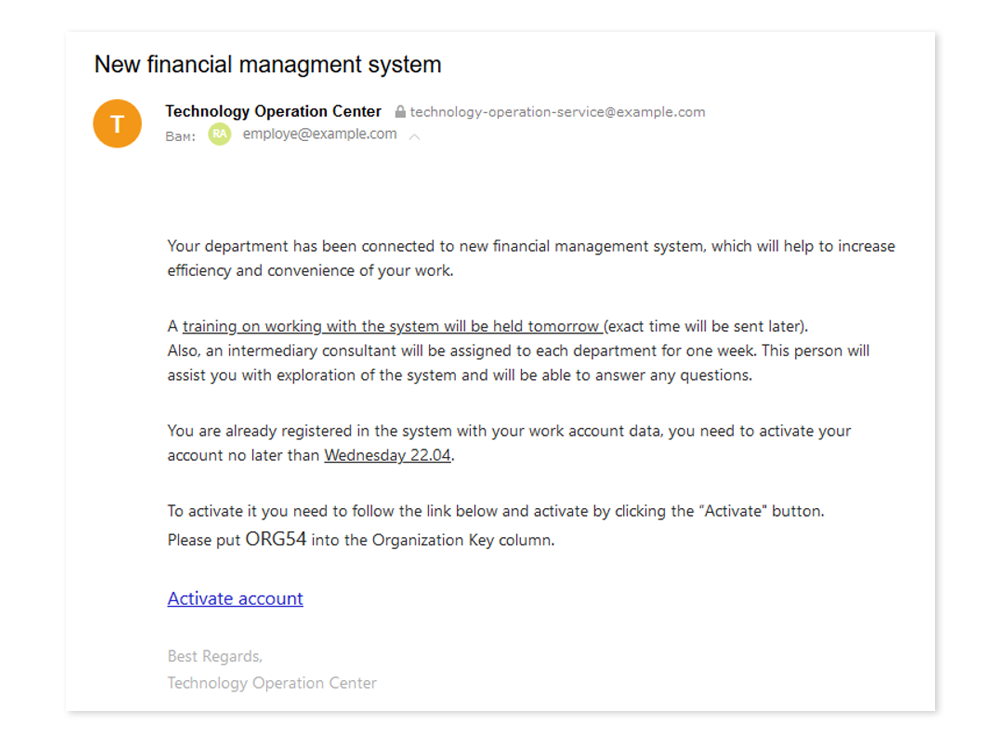
Phishing Email Response Template, Every organization — and every
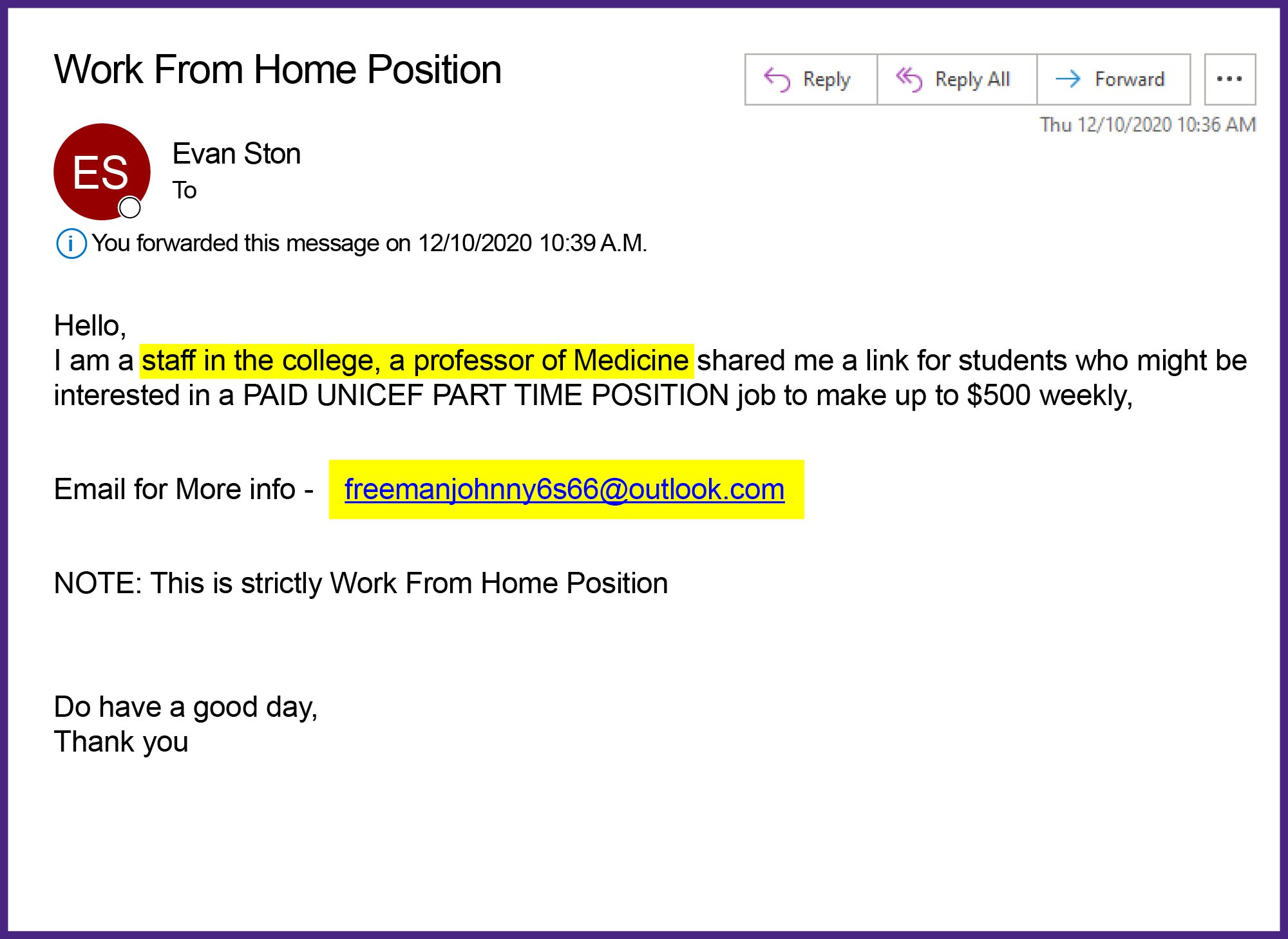
How to Spot a Phishing Email in 5 Ways — Etactics

Microsoft Phishing Email Example Hook Security
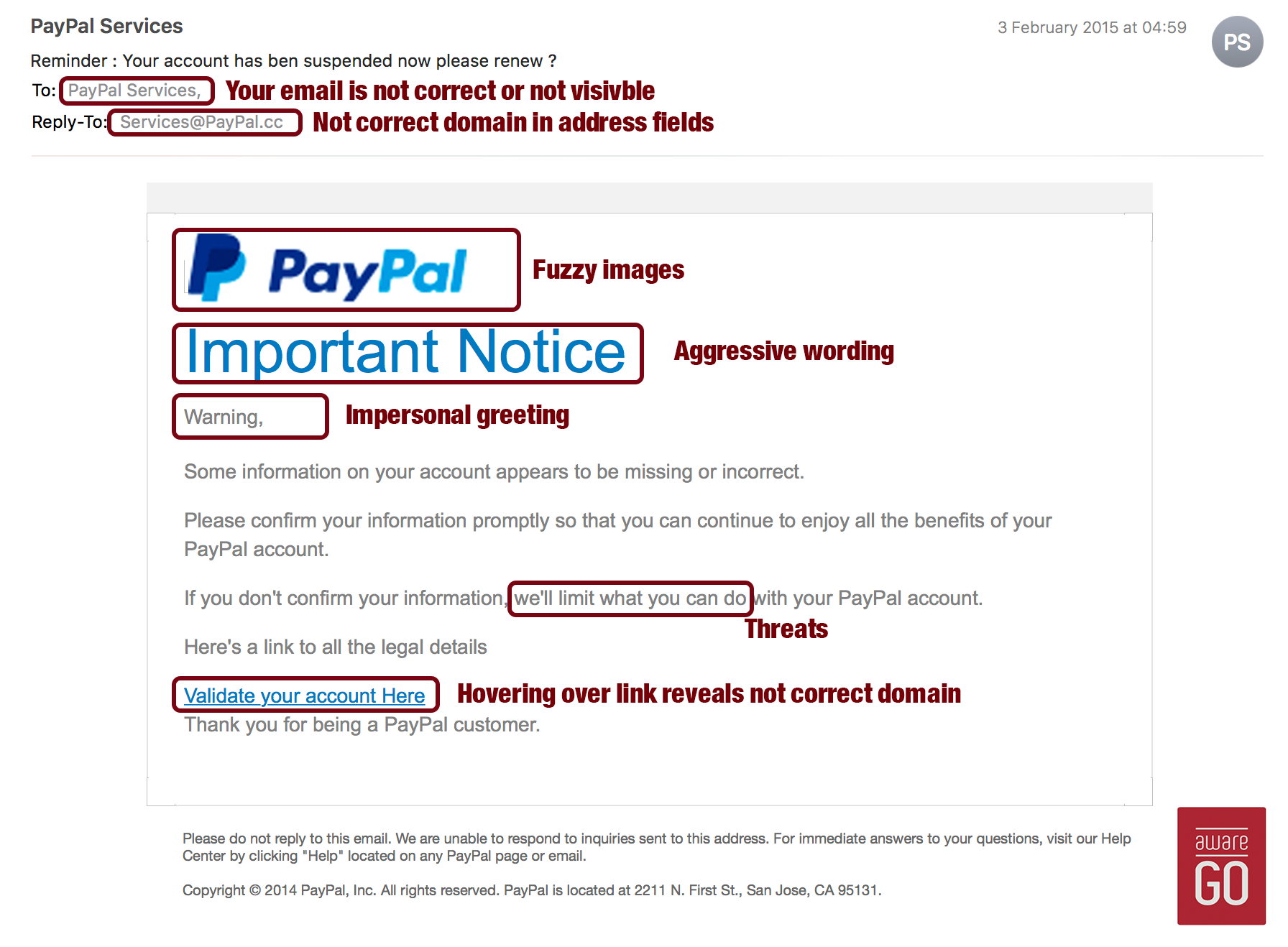
Phishing Email Templates Github
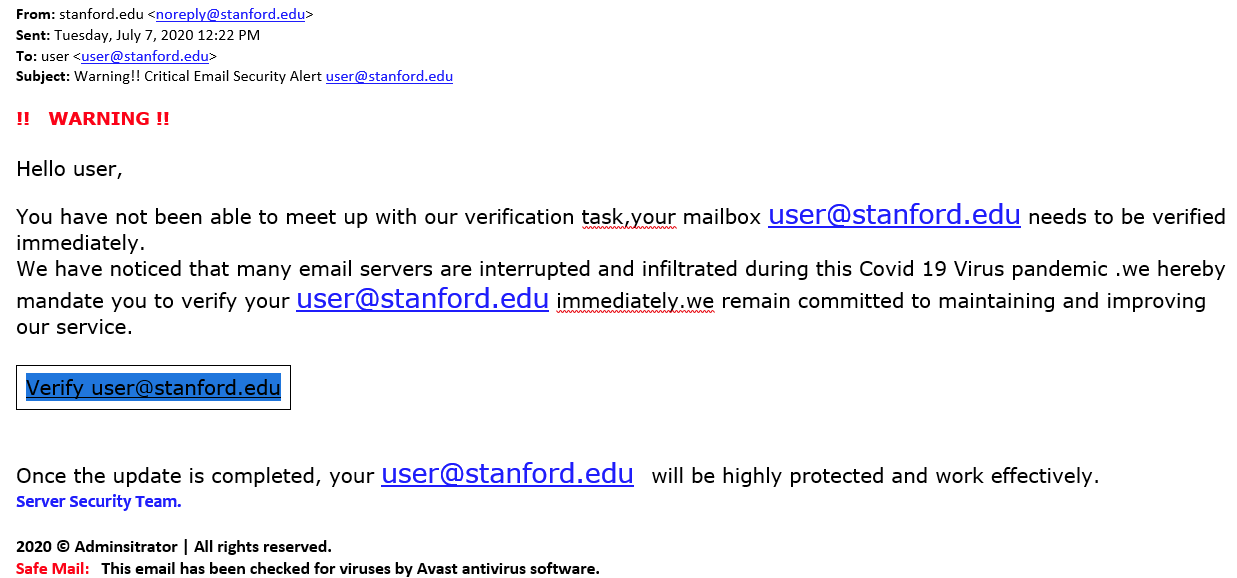
Phishing Email Example Warning!! Critical Email Security Alert
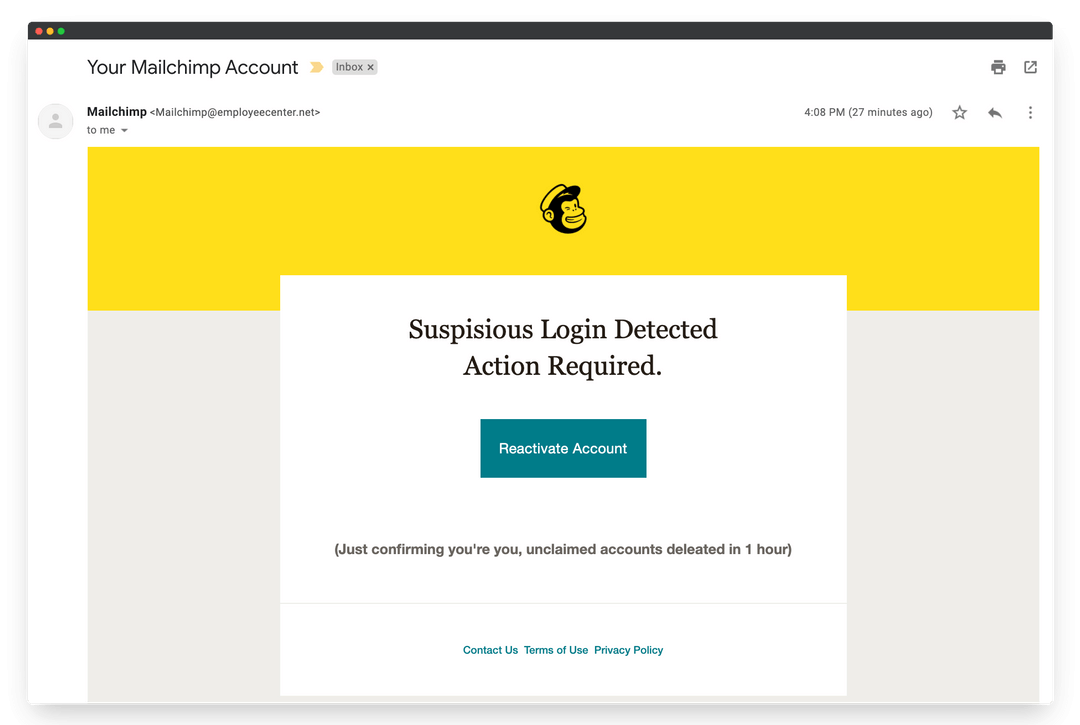
50+ Phishing Email Examples Common Types and Examples of Phishing

Paypal Phishing Email Example Hook Security
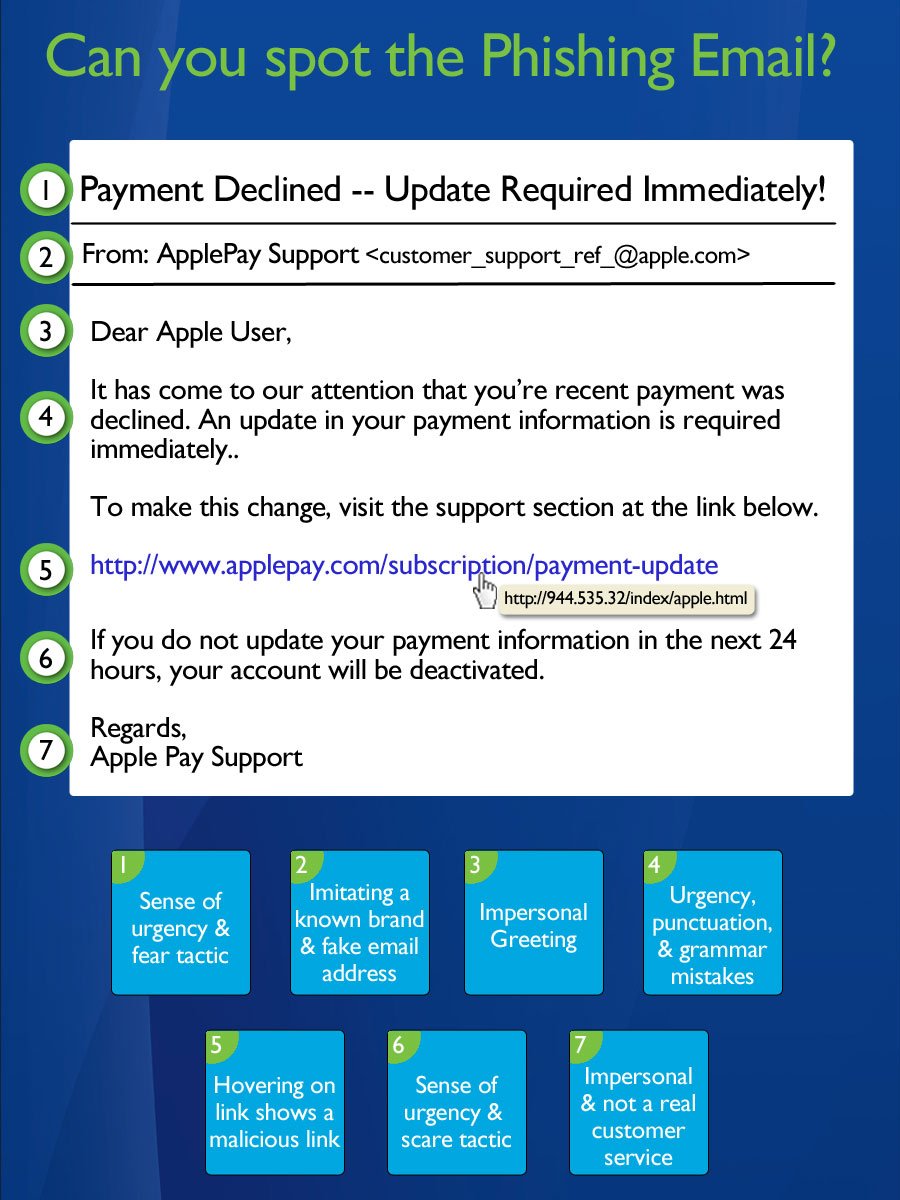
Phishing Campaign Email Templates
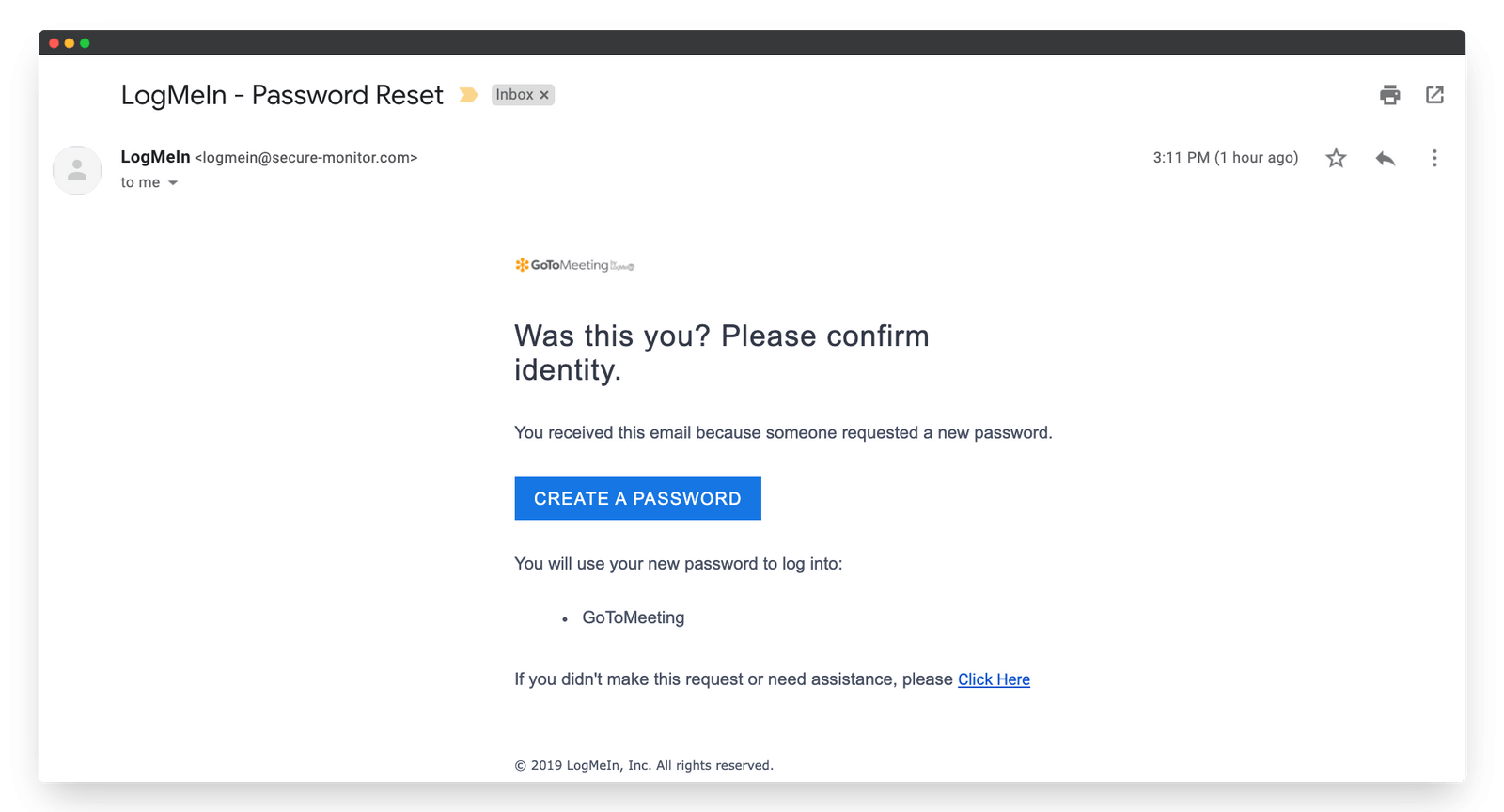
50+ Phishing Email Examples Common Types and Examples of Phishing

Docusign Phishing Email Example Hook Security
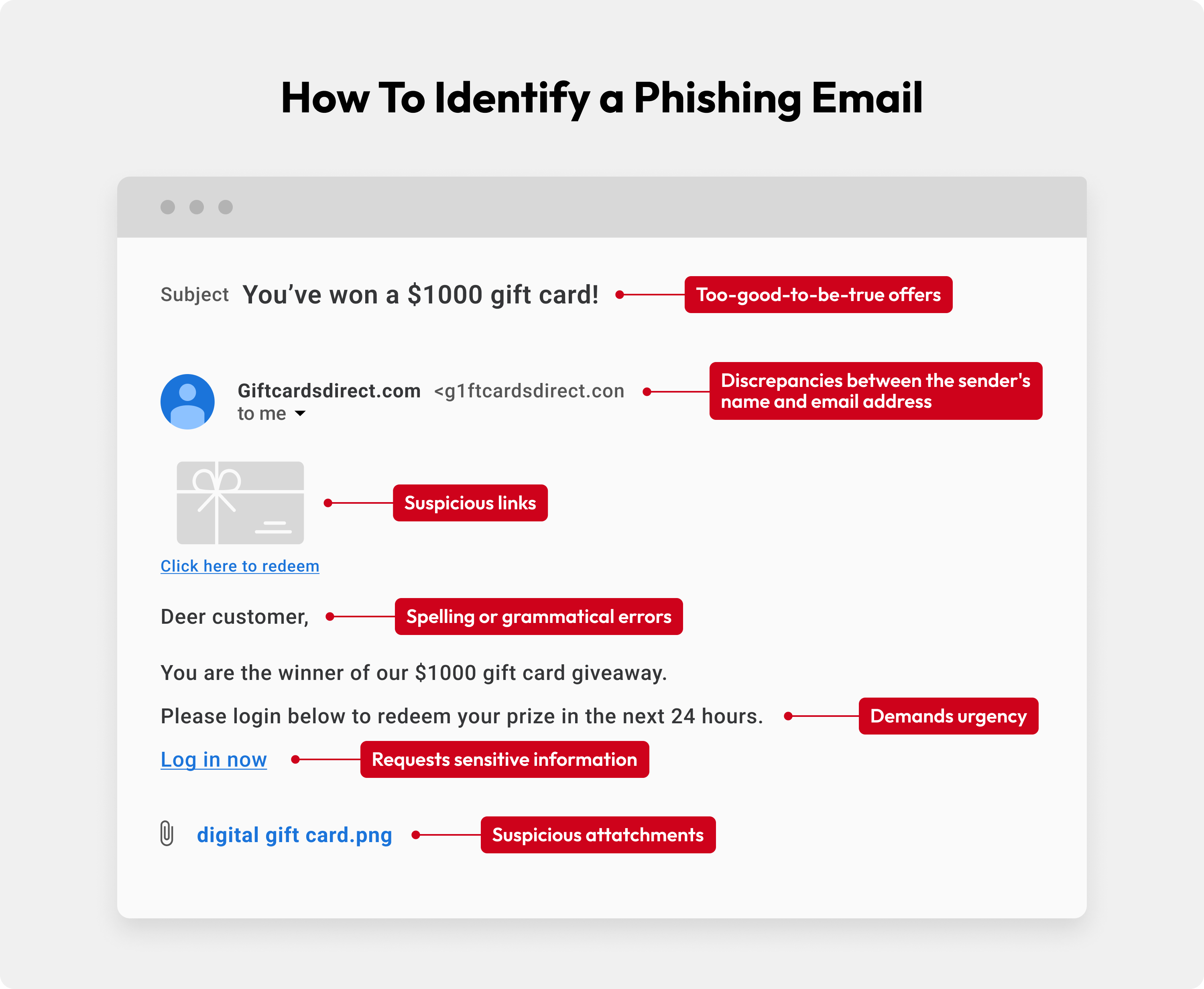
6 Ways You Can Spot a Phishing Email
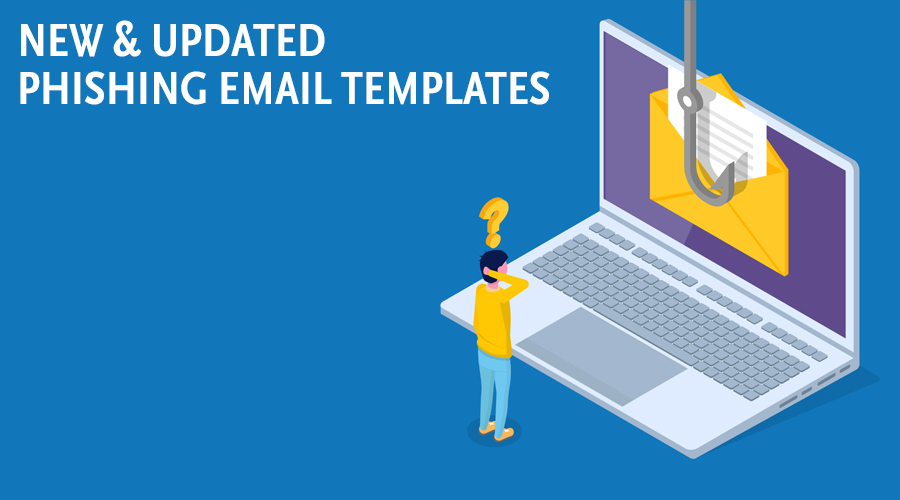
Free Phishing Email Templates

Phishing Email Templates
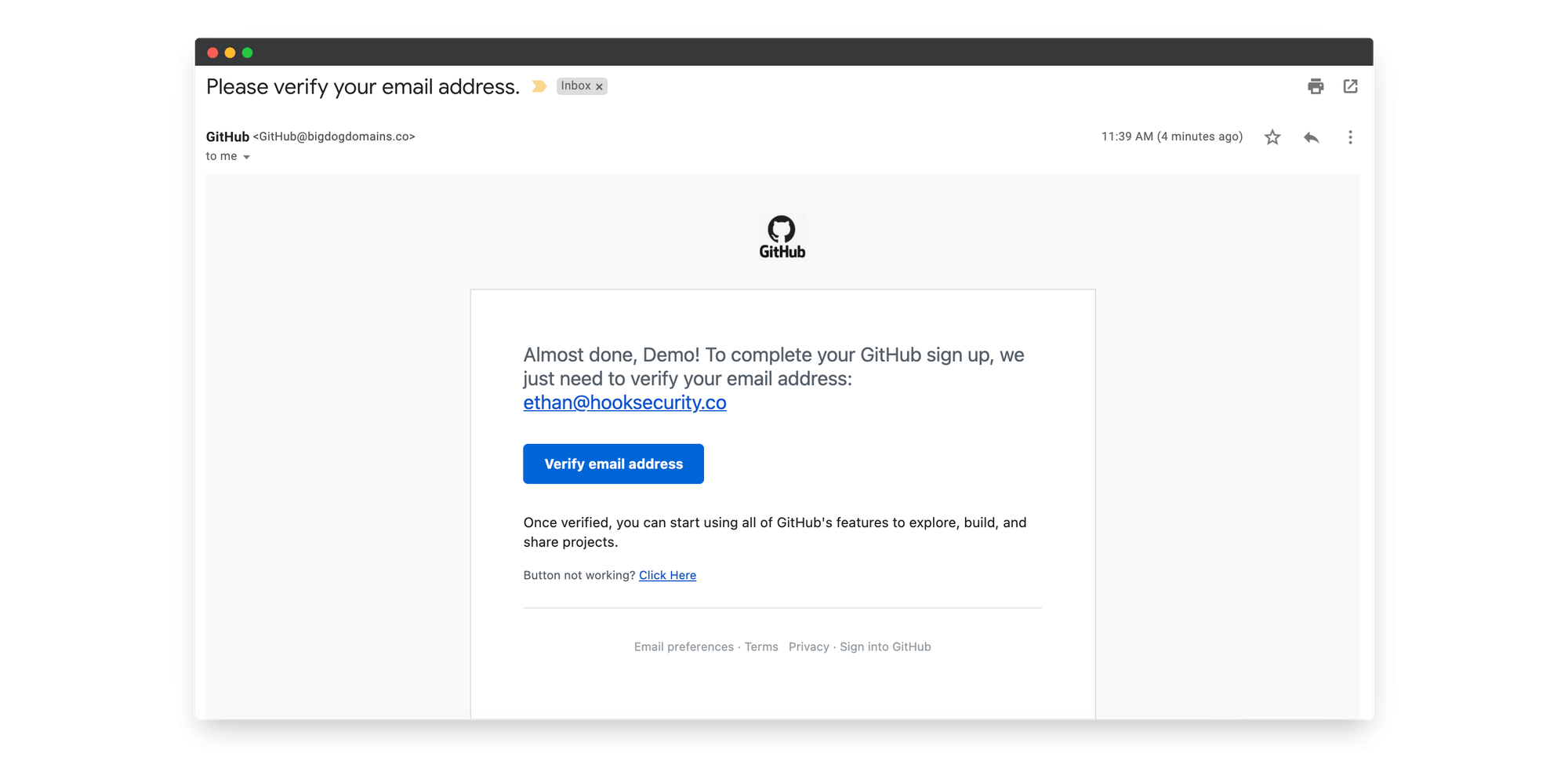
50+ Phishing Email Examples Common Types and Examples of Phishing

50+ Phishing Email Examples Common Types and Examples of Phishing
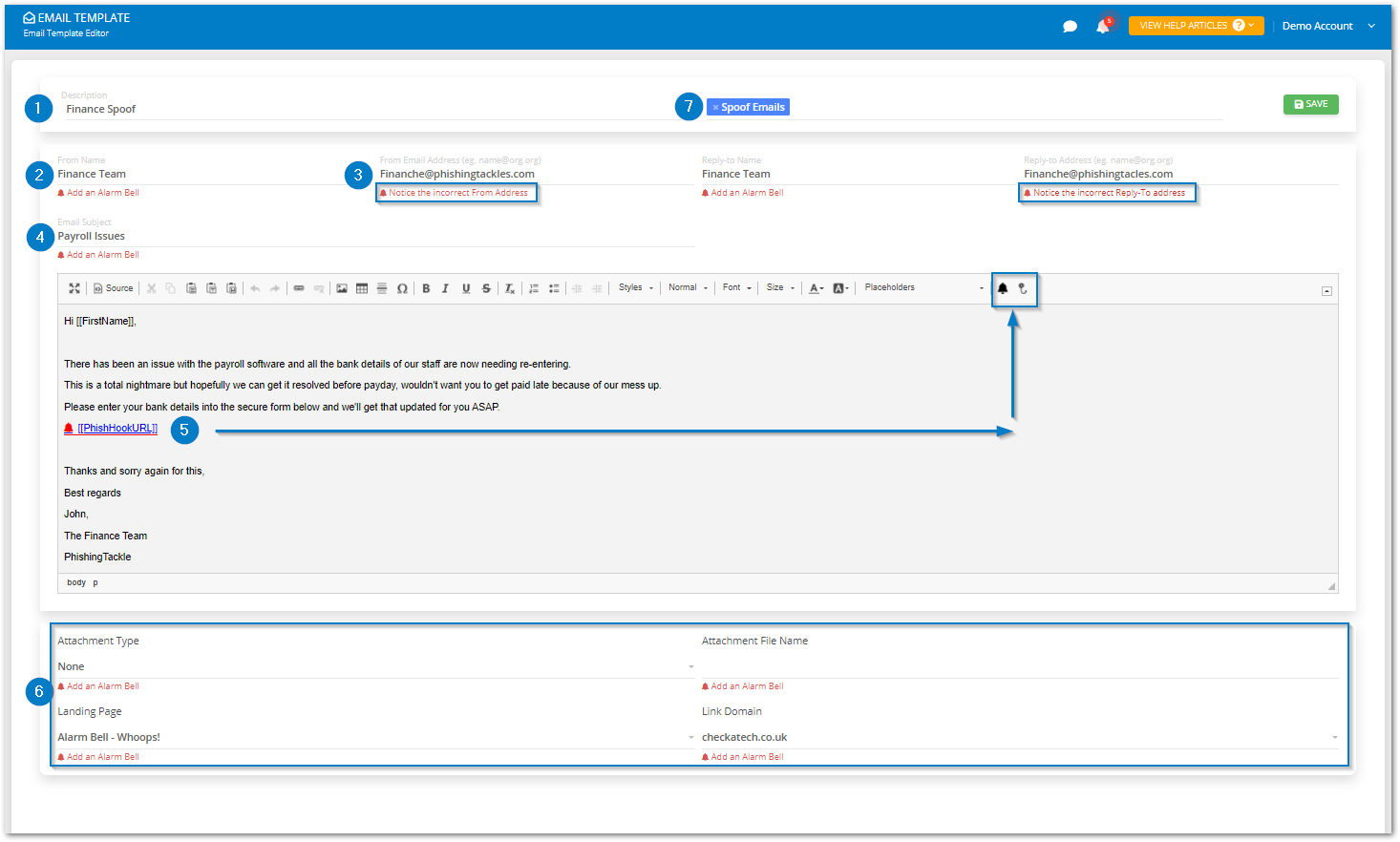
Creating and Editing Phishing Email Templates Knowledge Base

Phishing Email Templates

These are 10 of our Best Phishing Emails. Use Them. Hook Security Blog
7 Phishing Email Examples From Our Own Inbox — Etactics

10 of the best phishing templates for calculating employee risk

50+ Phishing Email Examples Hook Security
Free Phishing Templates
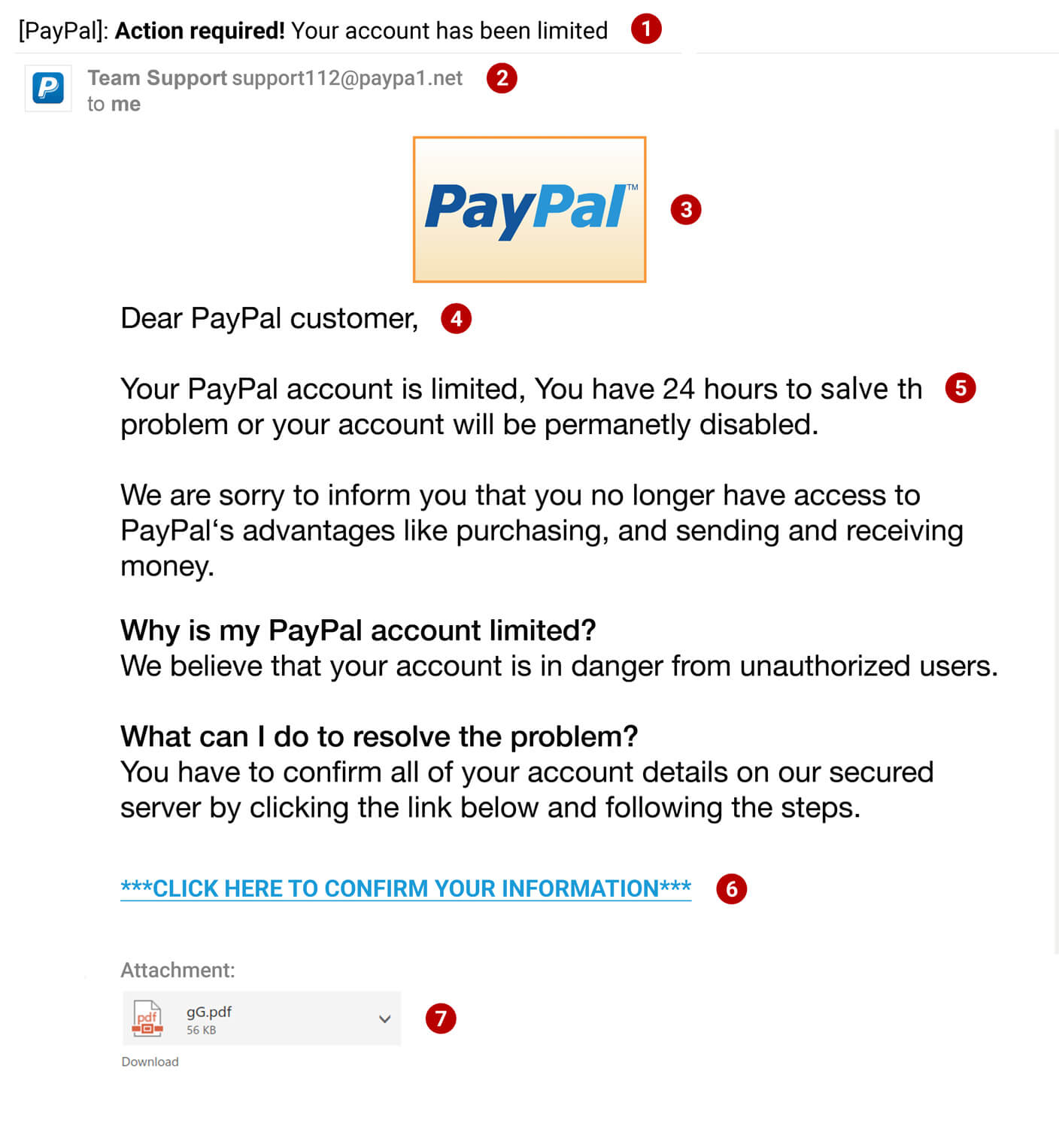
Where Phishing Emails Come From & How to Stop Them
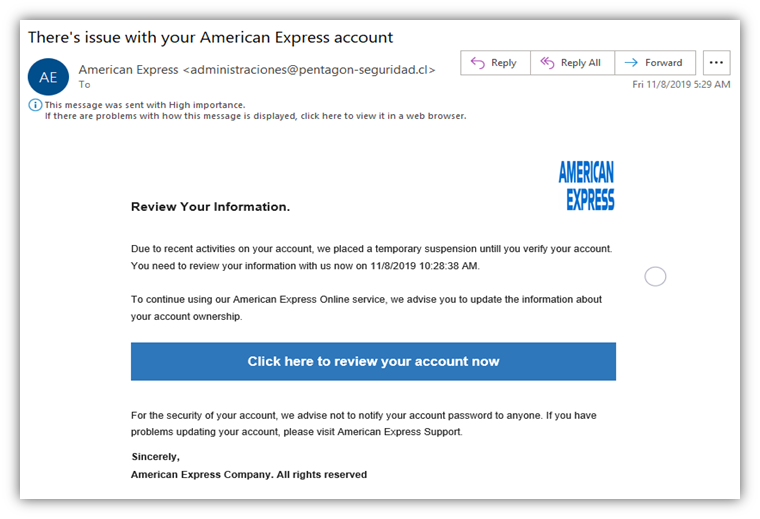
Sample Phishing Email Templates
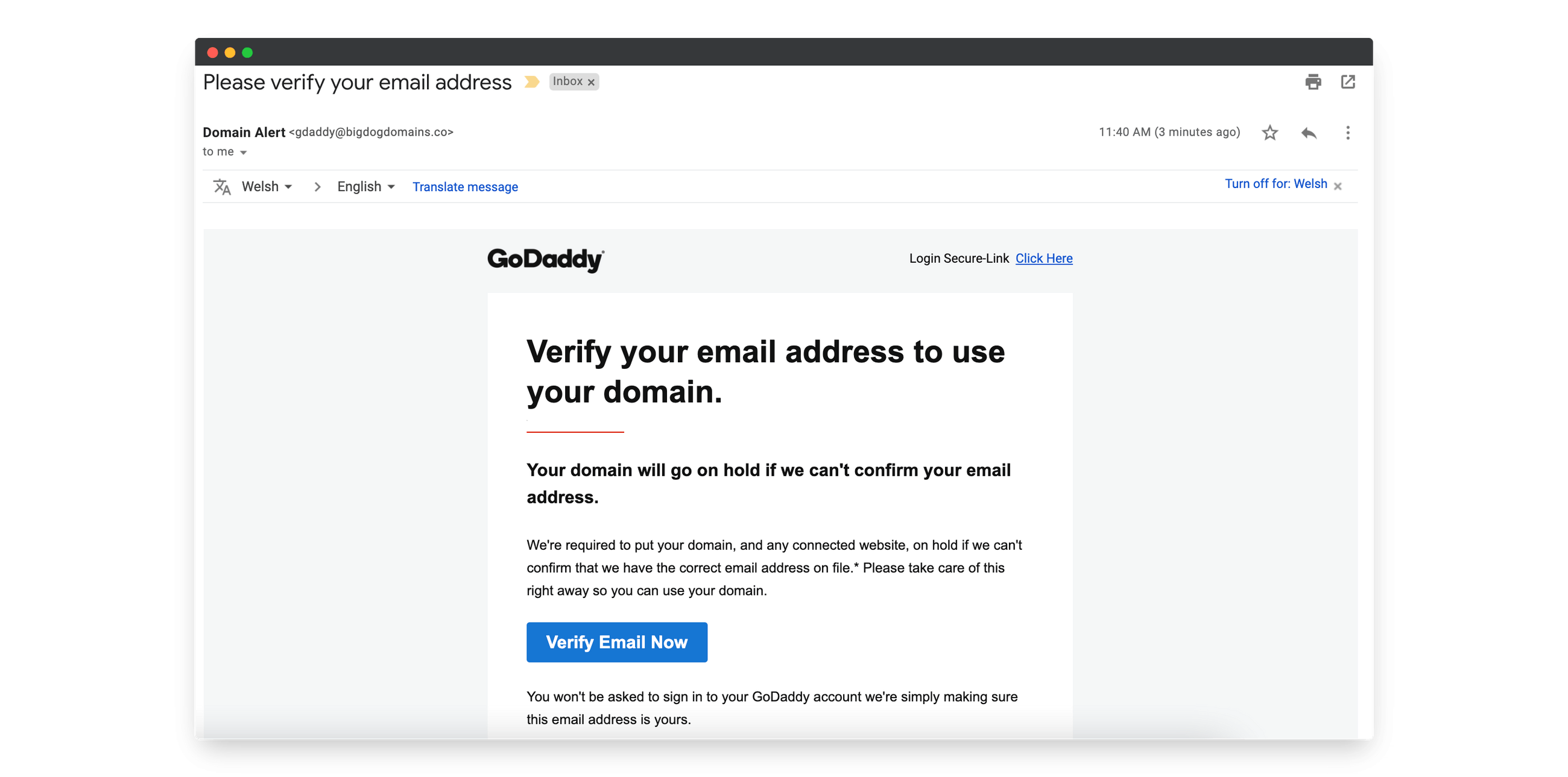
50+ Phishing Email Examples Common Types and Examples of Phishing
15 common phishing email examples you need to recognize NordVPN
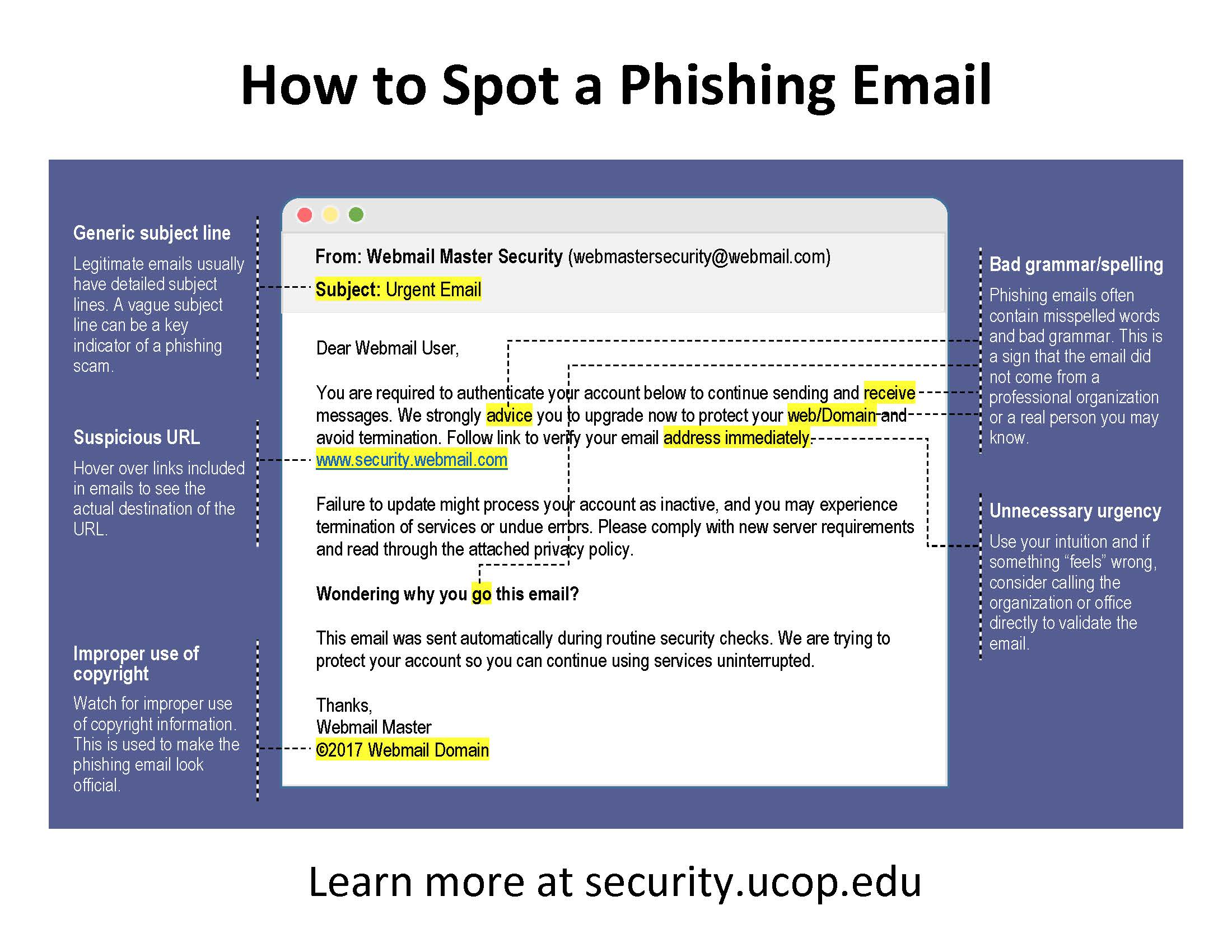
Email Template For Phishing Awareness
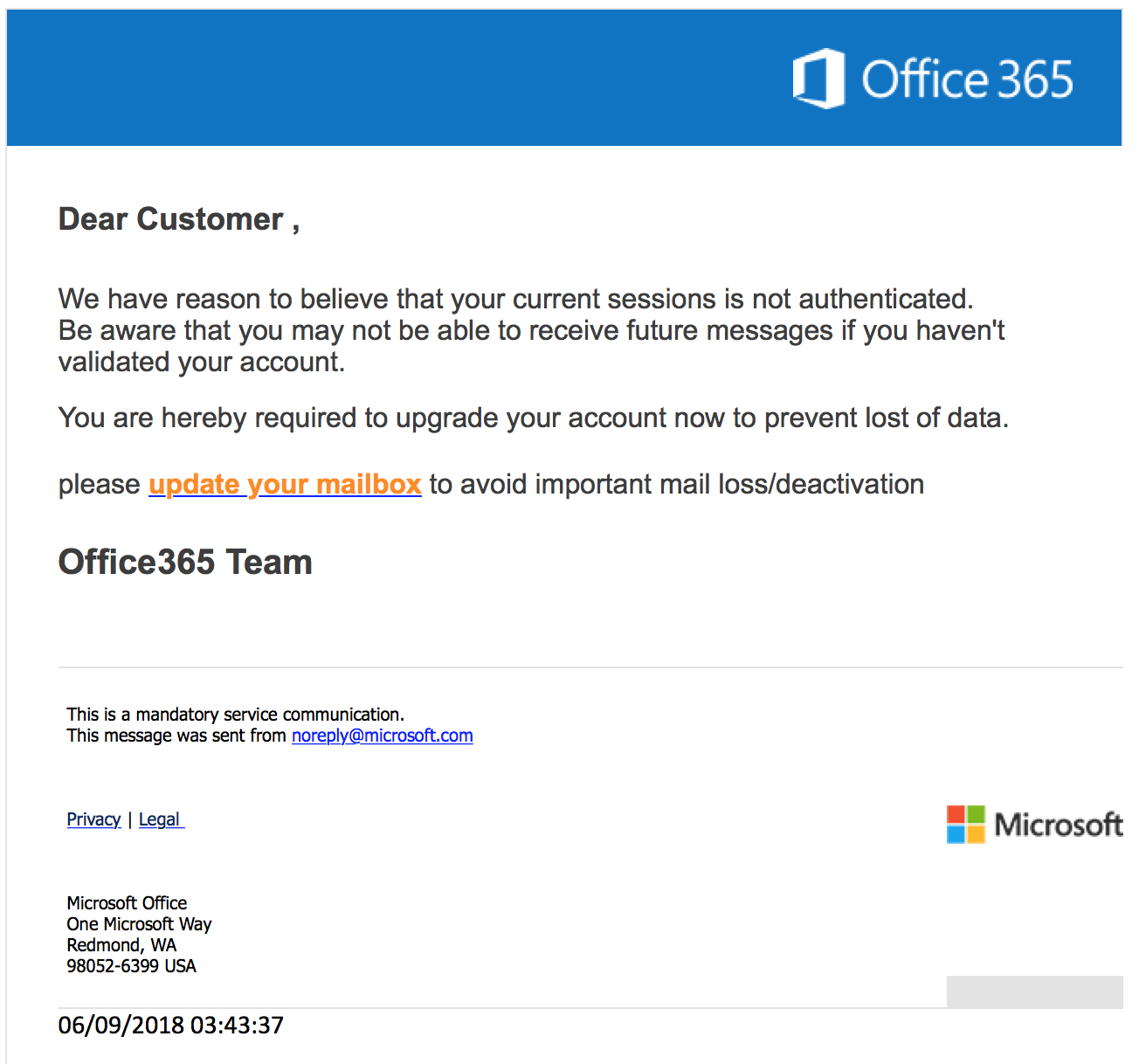
Free Phishing Email Templates
Phishing Is A Form Of Social Engineering And A Scam Where Attackers Deceive People Into Revealing Sensitive Information [1] Or Installing Malware Such As Viruses, Worms, Adware, Or Ransomware.
Phishing Emails Are Designed To Steal Personal Information By Pretending To Be From Legitimate Sources.
But There Are Several Ways To Protect Yourself.
Scammers Use Email Or Text Messages To.
Related Post: