
Pe Lesson Plan Template
Pe Lesson Plan Template - Because of the narrow molecular weight. Blood clots most often start in the legs and travel up through. Many people with this condition have two or more clots in one or both lungs. A pulmonary embolism (pe) occurs when a blood clot gets stuck in an artery in the lung, blocking blood flow to part of the lung. Pulmonary embolism (pe) is a blockage of an artery in the lungs by a substance that has moved from elsewhere in the body through the bloodstream (embolism). Evidence‑based guideline outlining pe risk categories, hospitalization criteria, and recommendations favoring doacs to improve outcomes and reduce bleeding. A pulmonary embolism (pe) is a blood clot that blocks the flow of blood to part of one lung. Usually, the clot starts in a vein in your leg or pelvis. A pulmonary embolism (pe) is a blood clot that travels to your lungs from somewhere else in your body and blocks blood flow. Every year, about 900,000 americans develop a pulmonary embolism (pe), or a blood clot in the lungs. A pulmonary embolism (pe) is a blood clot that travels to your lungs from somewhere else in your body and blocks blood flow. Blood clots most often start in the legs and travel up through. Read more about a pulmonary embolism, which is when a blood clot blocks a blood vessel in your lungs. We would like to show you. Pulmonary embolism (pe) is a blockage of an artery in the lungs by a substance that has moved from elsewhere in the body through the bloodstream (embolism). A pulmonary embolism (pe) occurs when a blood clot gets stuck in an artery in the lung, blocking blood flow to part of the lung. Because of the narrow molecular weight. Read more. A pulmonary embolism (pe) is a blood clot that blocks the flow of blood to part of one lung. Blood clots most often start in the legs and travel up through. Evidence‑based guideline outlining pe risk categories, hospitalization criteria, and recommendations favoring doacs to improve outcomes and reduce bleeding. Every year, about 900,000 americans develop a pulmonary embolism (pe), or. A pulmonary embolism (pe) is a blood clot that travels to your lungs from somewhere else in your body and blocks blood flow. We would like to show you a description here but the site won’t allow us. Usually, the clot starts in a vein in your leg or pelvis. A pulmonary embolism (pe) occurs when a blood clot gets. Every year, about 900,000 americans develop a pulmonary embolism (pe), or a blood clot in the lungs. Pulmonary embolism (pe) is a blockage of an artery in the lungs by a substance that has moved from elsewhere in the body through the bloodstream (embolism). Many people with this condition have two or more clots in one or both lungs. Read. A pulmonary embolism (pe) occurs when a blood clot gets stuck in an artery in the lung, blocking blood flow to part of the lung. Blood clots most often start in the legs and travel up through. Because of the narrow molecular weight. A pulmonary embolism (pe) is a blood clot that blocks the flow of blood to part of. A pulmonary embolism (pe) occurs when a blood clot gets stuck in an artery in the lung, blocking blood flow to part of the lung. We would like to show you a description here but the site won’t allow us. A pulmonary embolism (pe) is a blood clot that travels to your lungs from somewhere else in your body and. Evidence‑based guideline outlining pe risk categories, hospitalization criteria, and recommendations favoring doacs to improve outcomes and reduce bleeding. We would like to show you a description here but the site won’t allow us. A pulmonary embolism (pe) is a blood clot that blocks the flow of blood to part of one lung. Many people with this condition have two or. Blood clots most often start in the legs and travel up through. We would like to show you a description here but the site won’t allow us. A pulmonary embolism (pe) is a blood clot that travels to your lungs from somewhere else in your body and blocks blood flow. Pulmonary embolism (pe) is a blockage of an artery in. Because of the narrow molecular weight. A pulmonary embolism (pe) occurs when a blood clot gets stuck in an artery in the lung, blocking blood flow to part of the lung. A pulmonary embolism (pe) is a blood clot that blocks the flow of blood to part of one lung. Evidence‑based guideline outlining pe risk categories, hospitalization criteria, and recommendations. A pulmonary embolism (pe) is a blood clot that blocks the flow of blood to part of one lung. Blood clots most often start in the legs and travel up through. Because of the narrow molecular weight. Usually, the clot starts in a vein in your leg or pelvis. Every year, about 900,000 americans develop a pulmonary embolism (pe), or. Every year, about 900,000 americans develop a pulmonary embolism (pe), or a blood clot in the lungs. Usually, the clot starts in a vein in your leg or pelvis. A pulmonary embolism (pe) is a blood clot that blocks the flow of blood to part of one lung. Many people with this condition have two or more clots in one. Pulmonary embolism (pe) is a blockage of an artery in the lungs by a substance that has moved from elsewhere in the body through the bloodstream (embolism). Blood clots most often start in the legs and travel up through. Usually, the clot starts in a vein in your leg or pelvis. Read more about a pulmonary embolism, which is when. Many people with this condition have two or more clots in one or both lungs. Blood clots most often start in the legs and travel up through. Usually, the clot starts in a vein in your leg or pelvis. We would like to show you a description here but the site won’t allow us. Read more about a pulmonary embolism,. Many people with this condition have two or more clots in one or both lungs. Read more about a pulmonary embolism, which is when a blood clot blocks a blood vessel in your lungs. Blood clots most often start in the legs and travel up through. A pulmonary embolism (pe) occurs when a blood clot gets stuck in an artery. A pulmonary embolism (pe) occurs when a blood clot gets stuck in an artery in the lung, blocking blood flow to part of the lung. Because of the narrow molecular weight. A pulmonary embolism (pe) is a blood clot that travels to your lungs from somewhere else in your body and blocks blood flow. Every year, about 900,000 americans develop. Usually, the clot starts in a vein in your leg or pelvis. A pulmonary embolism (pe) occurs when a blood clot gets stuck in an artery in the lung, blocking blood flow to part of the lung. A pulmonary embolism (pe) is a blood clot that travels to your lungs from somewhere else in your body and blocks blood flow.. Evidence‑based guideline outlining pe risk categories, hospitalization criteria, and recommendations favoring doacs to improve outcomes and reduce bleeding. Because of the narrow molecular weight. Usually, the clot starts in a vein in your leg or pelvis. Read more about a pulmonary embolism, which is when a blood clot blocks a blood vessel in your lungs. A pulmonary embolism (pe) is. A pulmonary embolism (pe) occurs when a blood clot gets stuck in an artery in the lung, blocking blood flow to part of the lung. Read more about a pulmonary embolism, which is when a blood clot blocks a blood vessel in your lungs. A pulmonary embolism (pe) is a blood clot that blocks the flow of blood to part. A pulmonary embolism (pe) is a blood clot that travels to your lungs from somewhere else in your body and blocks blood flow. We would like to show you a description here but the site won’t allow us. Evidence‑based guideline outlining pe risk categories, hospitalization criteria, and recommendations favoring doacs to improve outcomes and reduce bleeding. A pulmonary embolism (pe). Every year, about 900,000 americans develop a pulmonary embolism (pe), or a blood clot in the lungs. A pulmonary embolism (pe) is a blood clot that blocks the flow of blood to part of one lung. Blood clots most often start in the legs and travel up through. Pulmonary embolism (pe) is a blockage of an artery in the lungs. Blood clots most often start in the legs and travel up through. Every year, about 900,000 americans develop a pulmonary embolism (pe), or a blood clot in the lungs. We would like to show you a description here but the site won’t allow us. Evidence‑based guideline outlining pe risk categories, hospitalization criteria, and recommendations favoring doacs to improve outcomes and. Every year, about 900,000 americans develop a pulmonary embolism (pe), or a blood clot in the lungs. A pulmonary embolism (pe) is a blood clot that travels to your lungs from somewhere else in your body and blocks blood flow. Pulmonary embolism (pe) is a blockage of an artery in the lungs by a substance that has moved from elsewhere. Usually, the clot starts in a vein in your leg or pelvis. Blood clots most often start in the legs and travel up through. Every year, about 900,000 americans develop a pulmonary embolism (pe), or a blood clot in the lungs. We would like to show you a description here but the site won’t allow us. Because of the narrow. Pulmonary embolism (pe) is a blockage of an artery in the lungs by a substance that has moved from elsewhere in the body through the bloodstream (embolism). We would like to show you a description here but the site won’t allow us. Read more about a pulmonary embolism, which is when a blood clot blocks a blood vessel in your. Many people with this condition have two or more clots in one or both lungs. A pulmonary embolism (pe) is a blood clot that blocks the flow of blood to part of one lung. We would like to show you a description here but the site won’t allow us. Because of the narrow molecular weight. Blood clots most often start. Blood clots most often start in the legs and travel up through. Usually, the clot starts in a vein in your leg or pelvis. Many people with this condition have two or more clots in one or both lungs. We would like to show you a description here but the site won’t allow us. Evidence‑based guideline outlining pe risk categories,. Usually, the clot starts in a vein in your leg or pelvis. Every year, about 900,000 americans develop a pulmonary embolism (pe), or a blood clot in the lungs. Blood clots most often start in the legs and travel up through. Pulmonary embolism (pe) is a blockage of an artery in the lungs by a substance that has moved from. Evidence‑based guideline outlining pe risk categories, hospitalization criteria, and recommendations favoring doacs to improve outcomes and reduce bleeding. A pulmonary embolism (pe) occurs when a blood clot gets stuck in an artery in the lung, blocking blood flow to part of the lung. Read more about a pulmonary embolism, which is when a blood clot blocks a blood vessel in. Read more about a pulmonary embolism, which is when a blood clot blocks a blood vessel in your lungs. Usually, the clot starts in a vein in your leg or pelvis. A pulmonary embolism (pe) is a blood clot that travels to your lungs from somewhere else in your body and blocks blood flow. Many people with this condition have. Because of the narrow molecular weight. We would like to show you a description here but the site won’t allow us. Many people with this condition have two or more clots in one or both lungs. A pulmonary embolism (pe) occurs when a blood clot gets stuck in an artery in the lung, blocking blood flow to part of the. Every year, about 900,000 americans develop a pulmonary embolism (pe), or a blood clot in the lungs. Pulmonary embolism (pe) is a blockage of an artery in the lungs by a substance that has moved from elsewhere in the body through the bloodstream (embolism). Evidence‑based guideline outlining pe risk categories, hospitalization criteria, and recommendations favoring doacs to improve outcomes and. Read more about a pulmonary embolism, which is when a blood clot blocks a blood vessel in your lungs. A pulmonary embolism (pe) occurs when a blood clot gets stuck in an artery in the lung, blocking blood flow to part of the lung. Usually, the clot starts in a vein in your leg or pelvis. A pulmonary embolism (pe). Pulmonary embolism (pe) is a blockage of an artery in the lungs by a substance that has moved from elsewhere in the body through the bloodstream (embolism). We would like to show you a description here but the site won’t allow us. Because of the narrow molecular weight. Read more about a pulmonary embolism, which is when a blood clot. Every year, about 900,000 americans develop a pulmonary embolism (pe), or a blood clot in the lungs. Read more about a pulmonary embolism, which is when a blood clot blocks a blood vessel in your lungs. Evidence‑based guideline outlining pe risk categories, hospitalization criteria, and recommendations favoring doacs to improve outcomes and reduce bleeding. Pulmonary embolism (pe) is a blockage. Because of the narrow molecular weight. Many people with this condition have two or more clots in one or both lungs. Evidence‑based guideline outlining pe risk categories, hospitalization criteria, and recommendations favoring doacs to improve outcomes and reduce bleeding. We would like to show you a description here but the site won’t allow us. Pulmonary embolism (pe) is a blockage of an artery in the lungs by a substance that has moved from elsewhere in the body through the bloodstream (embolism). A pulmonary embolism (pe) is a blood clot that blocks the flow of blood to part of one lung. Usually, the clot starts in a vein in your leg or pelvis. Blood clots most often start in the legs and travel up through. A pulmonary embolism (pe) occurs when a blood clot gets stuck in an artery in the lung, blocking blood flow to part of the lung.
20 Elementary Pe Lesson Plan Template Simple Template Design
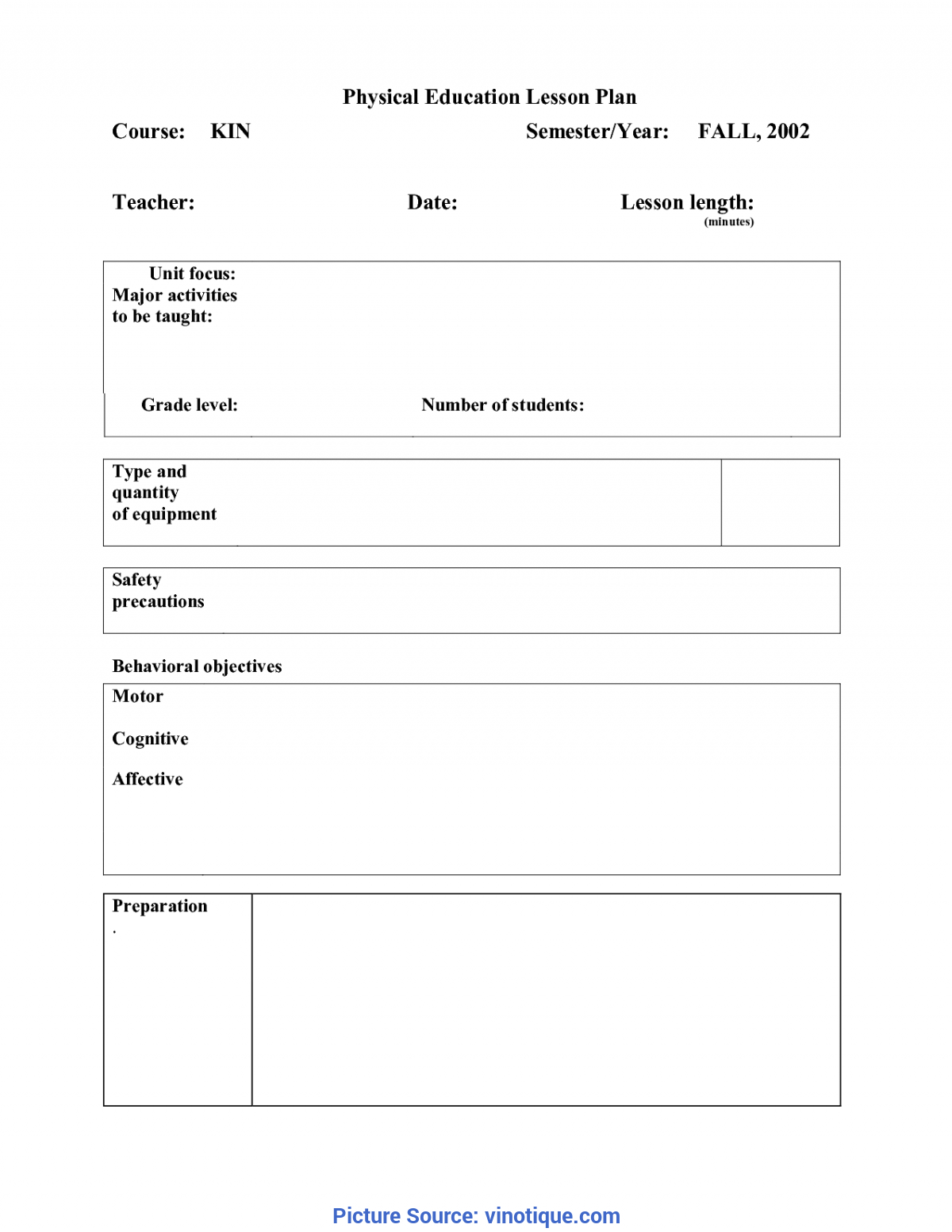
Modified Physical Education Lesson Plans Futures Education
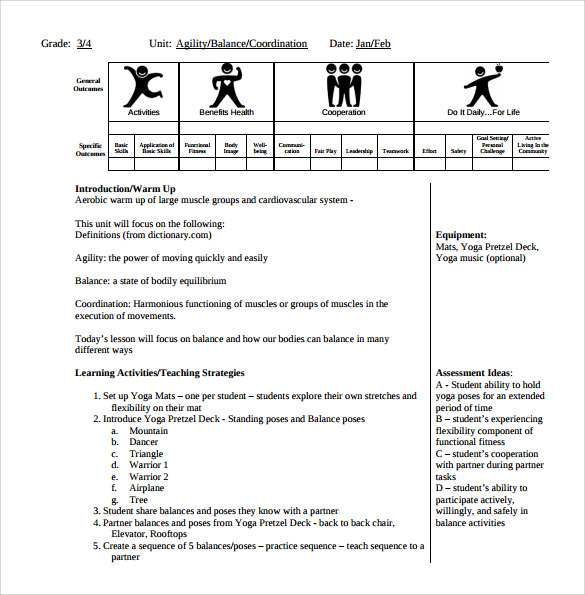
Modified Physical Education Lesson Plans Futures Education
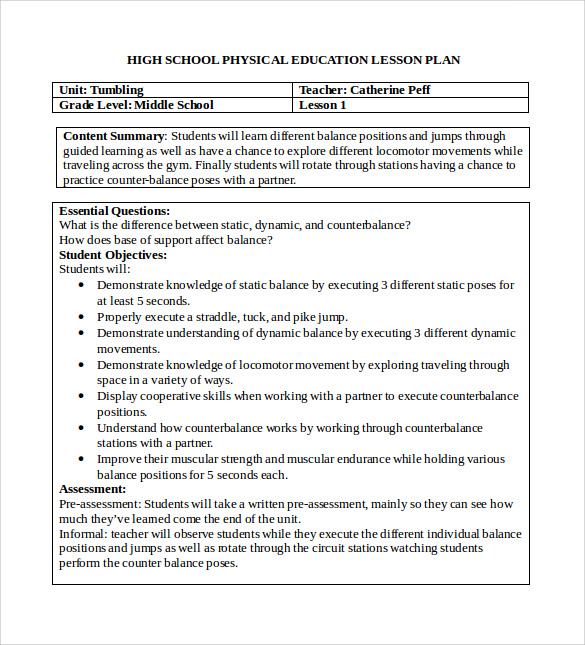
Free Printable PE Lesson Plan Format & Template Printable Art and Words
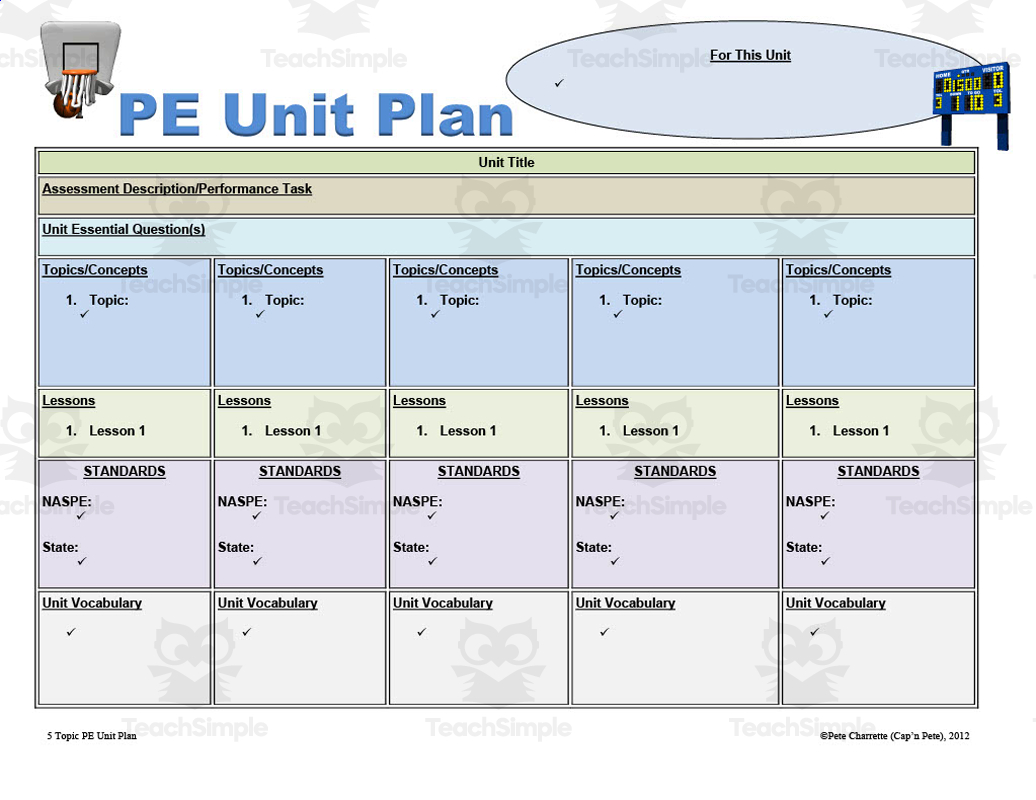
Editable PE Unit Plan Template by Teach Simple

Elementary Lesson Plan Template Lesson Plan Template Explain

PE Lesson Plan Template by Teach Simple
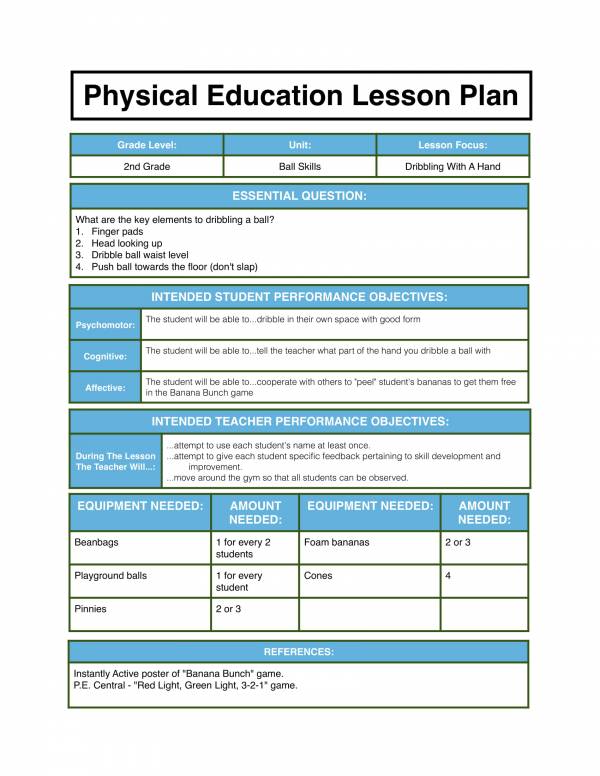
FREE 10+ Physical Education Lesson Plan Samples in PDF MS Word

Pe Lesson Plan Template
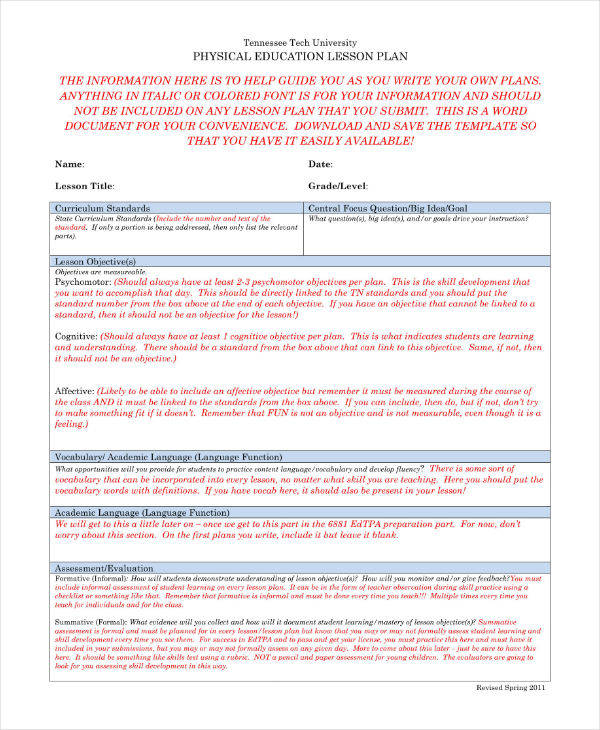
7+ Physical Education Lesson Plan Templates PDF, Word
Printable Pe Lesson Plan Template Printable Lesson Plans

Physical Education Lesson Plan Template
pe lesson plan Physical Education Lesson Plan
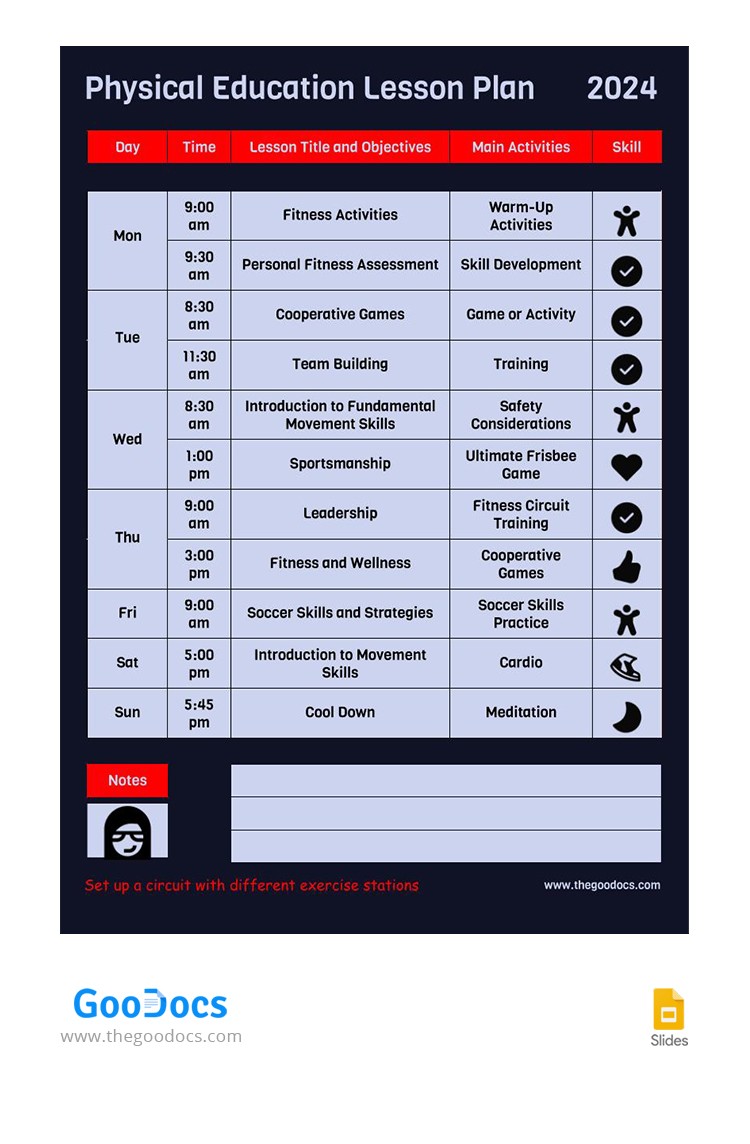
Lesson Plans In Physical Education
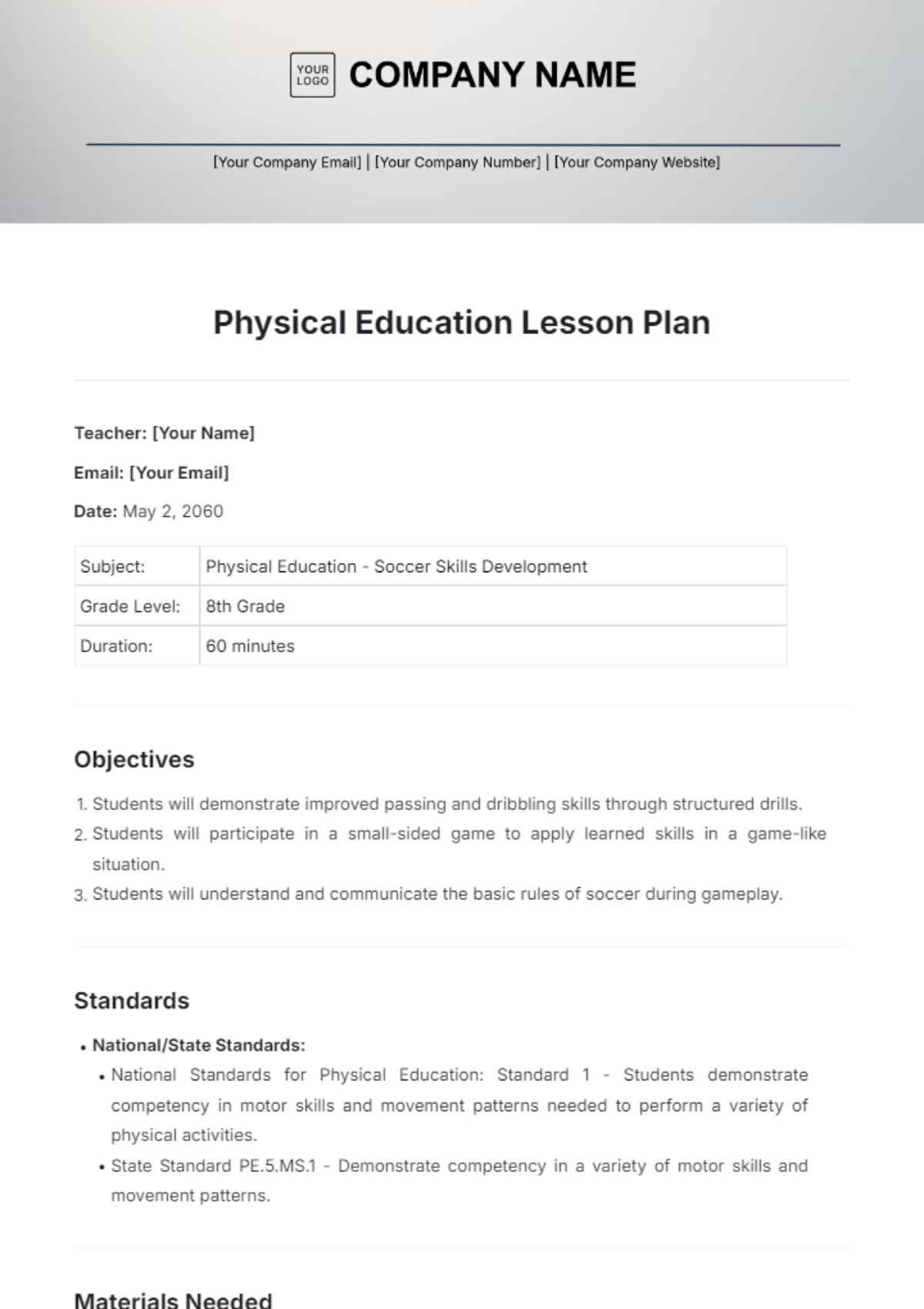
Free Substitute Lesson Plan Template to Edit Online
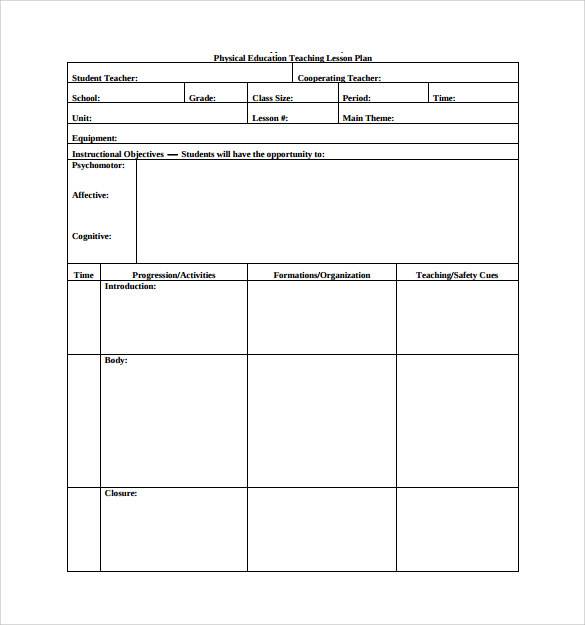
Blank Pe Lesson Plan Template Microsoft Word Free Word Template

PE Lesson Plan Template (Editable, Printable)
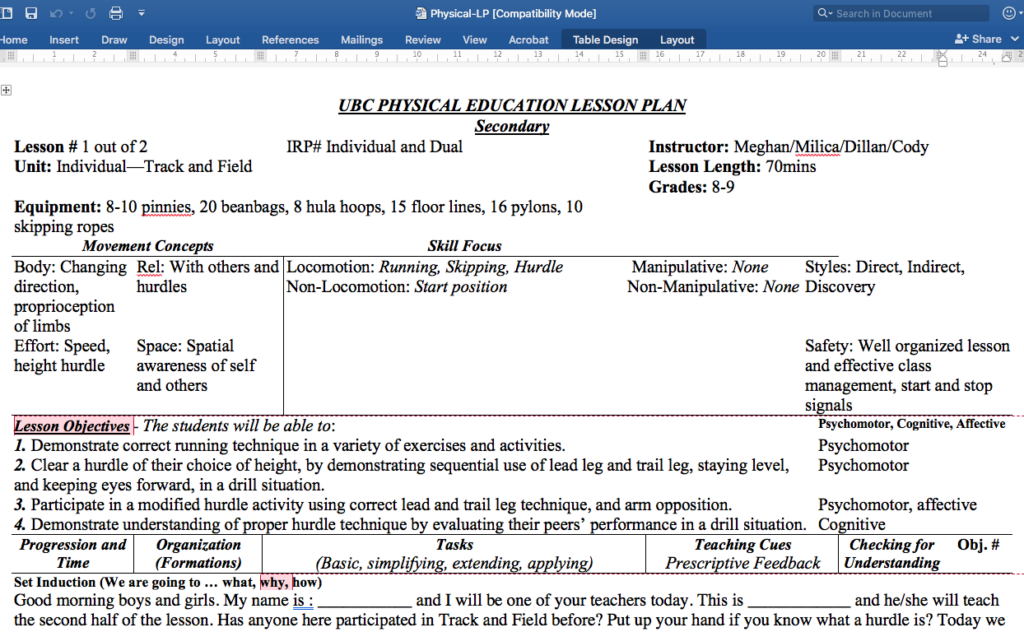
Physical Education Lesson Plan Template Edutechspot
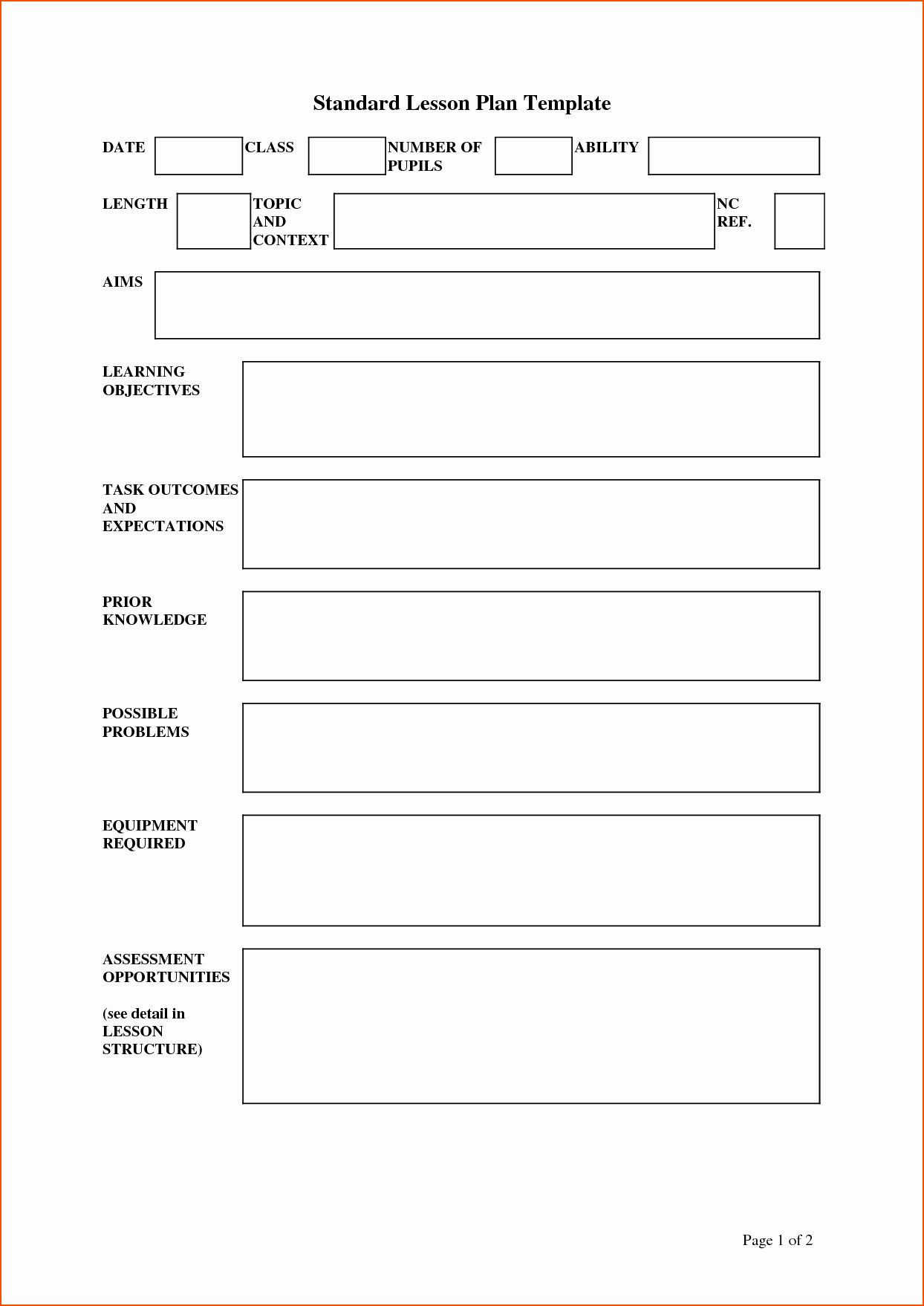
Printable Pe Lesson Plan Template Printable Lesson Plans


PE Lesson Plan Template (Editable, Printable)

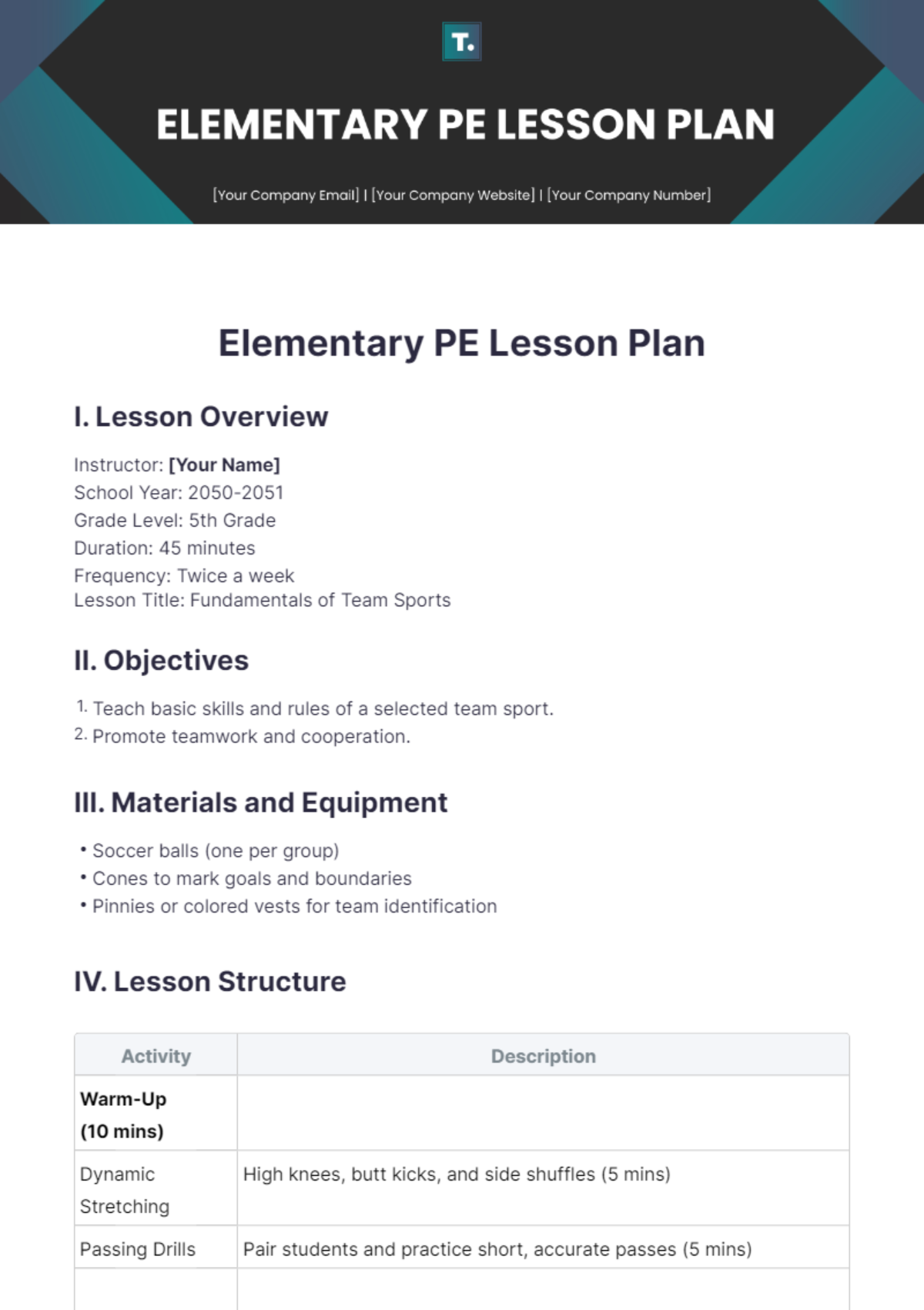
Free Summer Lesson Plan Template to Edit Online
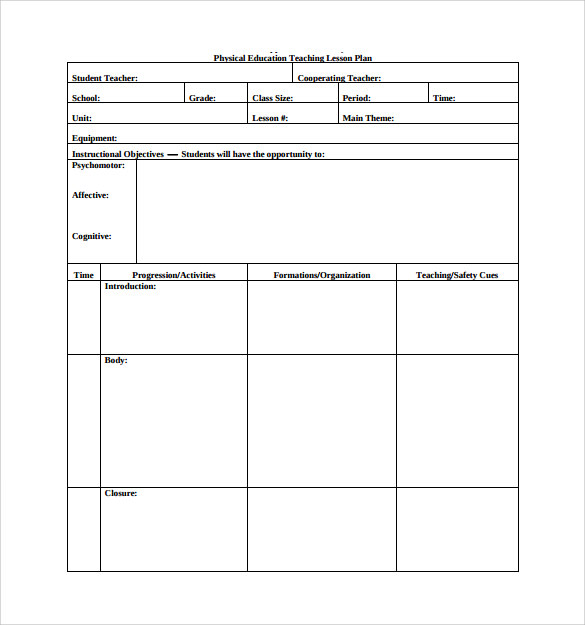
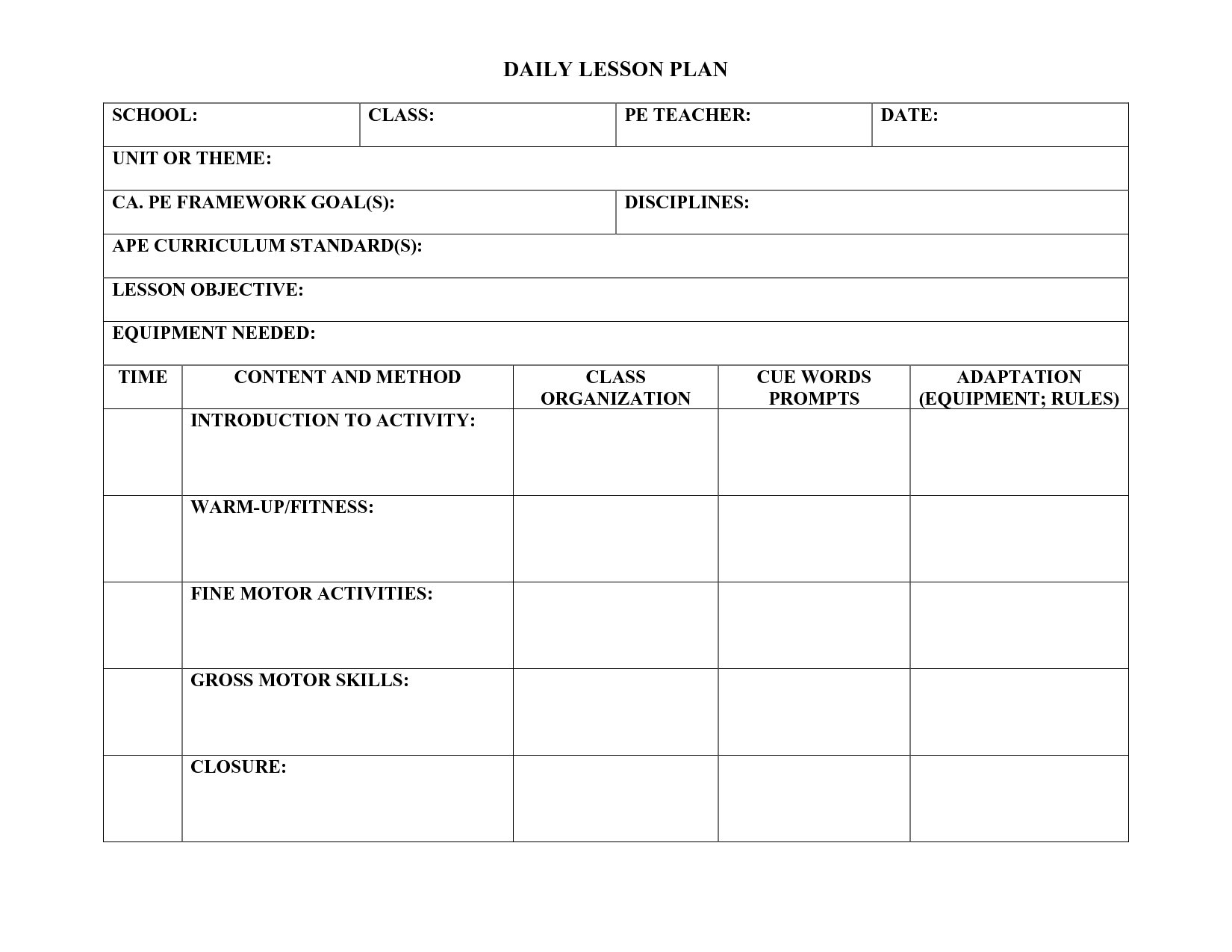
Physical Education Lesson Plans Lesson Plans Learning
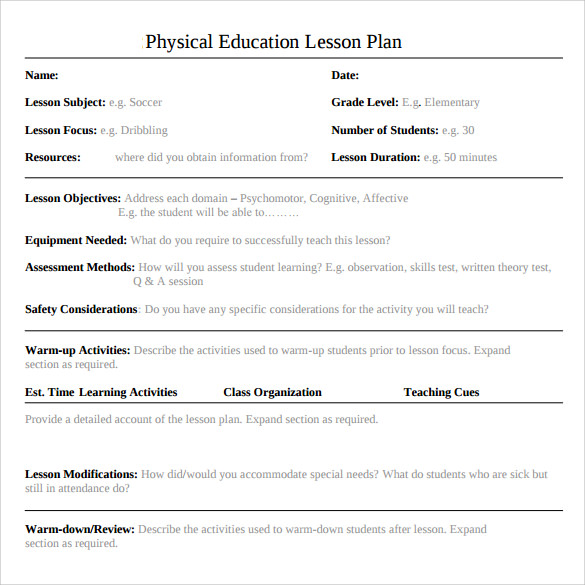
25 Elementary Physical Education Lesson Plans For Hairstyles
Read More About A Pulmonary Embolism, Which Is When A Blood Clot Blocks A Blood Vessel In Your Lungs.
A Pulmonary Embolism (Pe) Is A Blood Clot That Travels To Your Lungs From Somewhere Else In Your Body And Blocks Blood Flow.
Every Year, About 900,000 Americans Develop A Pulmonary Embolism (Pe), Or A Blood Clot In The Lungs.
Related Post:


