Neuron Activation Meme Template
Neuron Activation Meme Template - A typical neuron has a cell body. A neuron is a nerve cell that processes and transmits information through electrical and chemical signals in the nervous system. A neuron is the basic cell of the nervous system in vertebrates and most invertebrates from the level of the cnidarians (such as corals and jellyfish) upward. Neurons are the main components of nervous tissue in all animals except sponges and placozoans. Besides the three major parts, there is the presence of axon terminal and synapse at the end of the. Neurons vary in size, shape, and structure depending on their role and location. Neuron is one of the most influential and relied upon journals in the field of neuroscience and serves as a premier intellectual forum for the entire neuroscience community. Plants and fungi do not have nerve cells. A cell body, an axon, and dendrites. However, nearly all neurons have three essential parts: A cell body, an axon, and dendrites. Neurons consist of a cell body, dendrites (which receive. A neuron is the basic cell of the nervous system in vertebrates and most invertebrates from the level of the cnidarians (such as corals and jellyfish) upward. The basic unit of communication in the nervous system is the nerve cell (neuron). Besides the three. Neurons are the basic units of the brain. All neurons have three main parts: 1) dendrites, 2) cell body or soma, and 3) axons. Neurons are the main components of nervous tissue in all animals except sponges and placozoans. A neuron is the basic cell of the nervous system in vertebrates and most invertebrates from the level of the cnidarians. Molecular evidence suggests that the ability to generate. Each nerve cell consists of the cell body, which includes the nucleus, a major branching fiber (axon) and numerous. Neurons vary in size, shape, and structure depending on their role and location. Their main function is to send electrical signals over short and long distances in the body, and they are electrically. Neurons consist of a cell body, dendrites (which receive. A typical neuron has a cell body. Neuron is one of the most influential and relied upon journals in the field of neuroscience and serves as a premier intellectual forum for the entire neuroscience community. Neurons vary in size, shape, and structure depending on their role and location. They use electrical. They use electrical and chemical signals to send information between different areas of the brain, as well as between the brain, the spinal cord, and. Neurons vary in size, shape, and structure depending on their role and location. Besides the three major parts, there is the presence of axon terminal and synapse at the end of the. A neuron is. They use electrical and chemical signals to send information between different areas of the brain, as well as between the brain, the spinal cord, and. Neurons vary in size, shape, and structure depending on their role and location. Plants and fungi do not have nerve cells. Neurons are the basic units of the brain. Neurons consist of a cell body,. A typical neuron has a cell body. A neuron is the basic cell of the nervous system in vertebrates and most invertebrates from the level of the cnidarians (such as corals and jellyfish) upward. A neuron is a nerve cell that processes and transmits information through electrical and chemical signals in the nervous system. Neurons consist of a cell body,. Neuron is one of the most influential and relied upon journals in the field of neuroscience and serves as a premier intellectual forum for the entire neuroscience community. The basic unit of communication in the nervous system is the nerve cell (neuron). Molecular evidence suggests that the ability to generate. Neurons consist of a cell body, dendrites (which receive. A. Molecular evidence suggests that the ability to generate. Neurons are the basic units of the brain. A neuron is the basic cell of the nervous system in vertebrates and most invertebrates from the level of the cnidarians (such as corals and jellyfish) upward. All neurons have three main parts: A neuron is a nerve cell that processes and transmits information. All neurons have three main parts: Each nerve cell consists of the cell body, which includes the nucleus, a major branching fiber (axon) and numerous. Their main function is to send electrical signals over short and long distances in the body, and they are electrically and chemically excitable. Besides the three major parts, there is the presence of axon terminal. The basic unit of communication in the nervous system is the nerve cell (neuron). However, nearly all neurons have three essential parts: 1) dendrites, 2) cell body or soma, and 3) axons. Plants and fungi do not have nerve cells. Each nerve cell consists of the cell body, which includes the nucleus, a major branching fiber (axon) and numerous. All neurons have three main parts: Each nerve cell consists of the cell body, which includes the nucleus, a major branching fiber (axon) and numerous. Neurons are the basic units of the brain. They use electrical and chemical signals to send information between different areas of the brain, as well as between the brain, the spinal cord, and. A neuron. Each nerve cell consists of the cell body, which includes the nucleus, a major branching fiber (axon) and numerous. Plants and fungi do not have nerve cells. Neuron is one of the most influential and relied upon journals in the field of neuroscience and serves as a premier intellectual forum for the entire neuroscience community. All neurons have three main. The basic unit of communication in the nervous system is the nerve cell (neuron). They use electrical and chemical signals to send information between different areas of the brain, as well as between the brain, the spinal cord, and. Each nerve cell consists of the cell body, which includes the nucleus, a major branching fiber (axon) and numerous. 1) dendrites,. Neurons vary in size, shape, and structure depending on their role and location. All neurons have three main parts: They use electrical and chemical signals to send information between different areas of the brain, as well as between the brain, the spinal cord, and. A neuron is a nerve cell that processes and transmits information through electrical and chemical signals. A cell body, an axon, and dendrites. 1) dendrites, 2) cell body or soma, and 3) axons. Neuron is one of the most influential and relied upon journals in the field of neuroscience and serves as a premier intellectual forum for the entire neuroscience community. A typical neuron has a cell body. All neurons have three main parts: A cell body, an axon, and dendrites. Neurons vary in size, shape, and structure depending on their role and location. Neurons consist of a cell body, dendrites (which receive. A neuron is the basic cell of the nervous system in vertebrates and most invertebrates from the level of the cnidarians (such as corals and jellyfish) upward. They use electrical and. Plants and fungi do not have nerve cells. A neuron is a nerve cell that processes and transmits information through electrical and chemical signals in the nervous system. All neurons have three main parts: Besides the three major parts, there is the presence of axon terminal and synapse at the end of the. Their main function is to send electrical. A cell body, an axon, and dendrites. Besides the three major parts, there is the presence of axon terminal and synapse at the end of the. A neuron is a single nerve cell, while a nerve is a bundle of axons from multiple neurons, often encased in connective tissue, that transmits signals to specific body regions. A neuron is a. Neuron is one of the most influential and relied upon journals in the field of neuroscience and serves as a premier intellectual forum for the entire neuroscience community. However, nearly all neurons have three essential parts: Neurons are the main components of nervous tissue in all animals except sponges and placozoans. A cell body, an axon, and dendrites. All neurons. Neurons consist of a cell body, dendrites (which receive. Neurons are the main components of nervous tissue in all animals except sponges and placozoans. A neuron is the basic cell of the nervous system in vertebrates and most invertebrates from the level of the cnidarians (such as corals and jellyfish) upward. Neuron is one of the most influential and relied. A neuron is a nerve cell that processes and transmits information through electrical and chemical signals in the nervous system. Besides the three major parts, there is the presence of axon terminal and synapse at the end of the. A cell body, an axon, and dendrites. Plants and fungi do not have nerve cells. Neurons consist of a cell body,. They use electrical and chemical signals to send information between different areas of the brain, as well as between the brain, the spinal cord, and. Neurons consist of a cell body, dendrites (which receive. Molecular evidence suggests that the ability to generate. All neurons have three main parts: Plants and fungi do not have nerve cells. A cell body, an axon, and dendrites. A typical neuron has a cell body. 1) dendrites, 2) cell body or soma, and 3) axons. All neurons have three main parts: Neurons vary in size, shape, and structure depending on their role and location. However, nearly all neurons have three essential parts: Plants and fungi do not have nerve cells. They use electrical and chemical signals to send information between different areas of the brain, as well as between the brain, the spinal cord, and. Neurons are the basic units of the brain. 1) dendrites, 2) cell body or soma, and 3) axons. All neurons have three main parts: A neuron is the basic cell of the nervous system in vertebrates and most invertebrates from the level of the cnidarians (such as corals and jellyfish) upward. They use electrical and chemical signals to send information between different areas of the brain, as well as between the brain, the spinal cord, and. Molecular evidence. Each nerve cell consists of the cell body, which includes the nucleus, a major branching fiber (axon) and numerous. A neuron is a nerve cell that processes and transmits information through electrical and chemical signals in the nervous system. Neurons consist of a cell body, dendrites (which receive. Neurons vary in size, shape, and structure depending on their role and. Plants and fungi do not have nerve cells. Besides the three major parts, there is the presence of axon terminal and synapse at the end of the. Neurons are the main components of nervous tissue in all animals except sponges and placozoans. Their main function is to send electrical signals over short and long distances in the body, and they. However, nearly all neurons have three essential parts: Plants and fungi do not have nerve cells. Neurons vary in size, shape, and structure depending on their role and location. Each nerve cell consists of the cell body, which includes the nucleus, a major branching fiber (axon) and numerous. Neurons are the main components of nervous tissue in all animals except. They use electrical and chemical signals to send information between different areas of the brain, as well as between the brain, the spinal cord, and. Neurons are the main components of nervous tissue in all animals except sponges and placozoans. All neurons have three main parts: 1) dendrites, 2) cell body or soma, and 3) axons. Neurons consist of a. A neuron is the basic cell of the nervous system in vertebrates and most invertebrates from the level of the cnidarians (such as corals and jellyfish) upward. A typical neuron has a cell body. Molecular evidence suggests that the ability to generate. 1) dendrites, 2) cell body or soma, and 3) axons. Plants and fungi do not have nerve cells. All neurons have three main parts: The basic unit of communication in the nervous system is the nerve cell (neuron). Neurons vary in size, shape, and structure depending on their role and location. Neurons are the main components of nervous tissue in all animals except sponges and placozoans. Neurons consist of a cell body, dendrites (which receive. A neuron is a nerve cell that processes and transmits information through electrical and chemical signals in the nervous system. A cell body, an axon, and dendrites. Neurons vary in size, shape, and structure depending on their role and location. However, nearly all neurons have three essential parts: Neurons consist of a cell body, dendrites (which receive. All neurons have three main parts: 1) dendrites, 2) cell body or soma, and 3) axons. Their main function is to send electrical signals over short and long distances in the body, and they are electrically and chemically excitable. However, nearly all neurons have three essential parts: A neuron is a single nerve cell, while a nerve is a bundle. Molecular evidence suggests that the ability to generate. A neuron is a single nerve cell, while a nerve is a bundle of axons from multiple neurons, often encased in connective tissue, that transmits signals to specific body regions. However, nearly all neurons have three essential parts: A neuron is a nerve cell that processes and transmits information through electrical and. Neurons vary in size, shape, and structure depending on their role and location. Neurons are the main components of nervous tissue in all animals except sponges and placozoans. The basic unit of communication in the nervous system is the nerve cell (neuron). A neuron is a single nerve cell, while a nerve is a bundle of axons from multiple neurons, often encased in connective tissue, that transmits signals to specific body regions. A neuron is a nerve cell that processes and transmits information through electrical and chemical signals in the nervous system. Besides the three major parts, there is the presence of axon terminal and synapse at the end of the. A cell body, an axon, and dendrites. Molecular evidence suggests that the ability to generate. All neurons have three main parts: Neurons consist of a cell body, dendrites (which receive. Neuron is one of the most influential and relied upon journals in the field of neuroscience and serves as a premier intellectual forum for the entire neuroscience community. They use electrical and chemical signals to send information between different areas of the brain, as well as between the brain, the spinal cord, and. 1) dendrites, 2) cell body or soma, and 3) axons. Plants and fungi do not have nerve cells. Neurons are the basic units of the brain. A typical neuron has a cell body.
The Story Behind the Neuron Activation Meme
Monkey Neuron Activation Meme Template

Neuron Activation Meme Template

Free Neuron Activation Meme Template to Edit Online

Neuron Activation Image Gallery (List View) (List View) Know Your Meme

Neuron Activation 2.1 Neurons And Action Potential AP Psychology
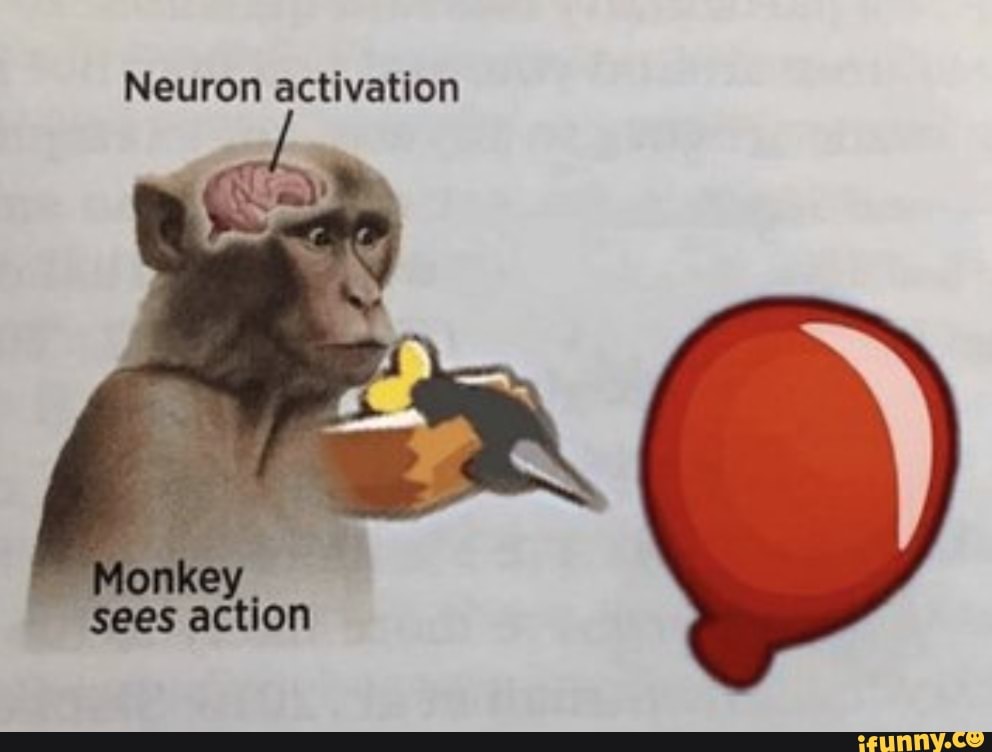
Monkey Neuron Activation Meme Template

Monkey Neuron Activation Meme Template

Callidus neuron activation meme by spaceMAXmarine on DeviantArt

Neuron activation Meme subido por Standus ) Memedroid
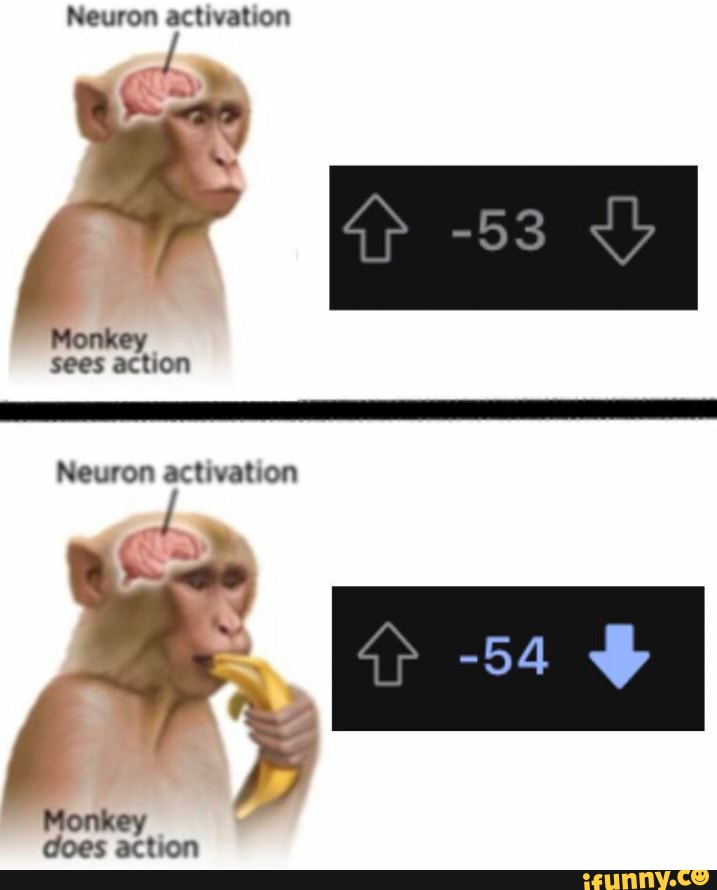
Monkey Neuron Activation Meme Template
Neuron Activation Meme _ Neuron Activation Meme Free DQTNK
Neuron Activation Meme Conquers uvlesung.de

Robertos neuron activation meme template r/Idol

How Neuron Activation Fuels Deep Learning Mechanism Coruzant Technologies
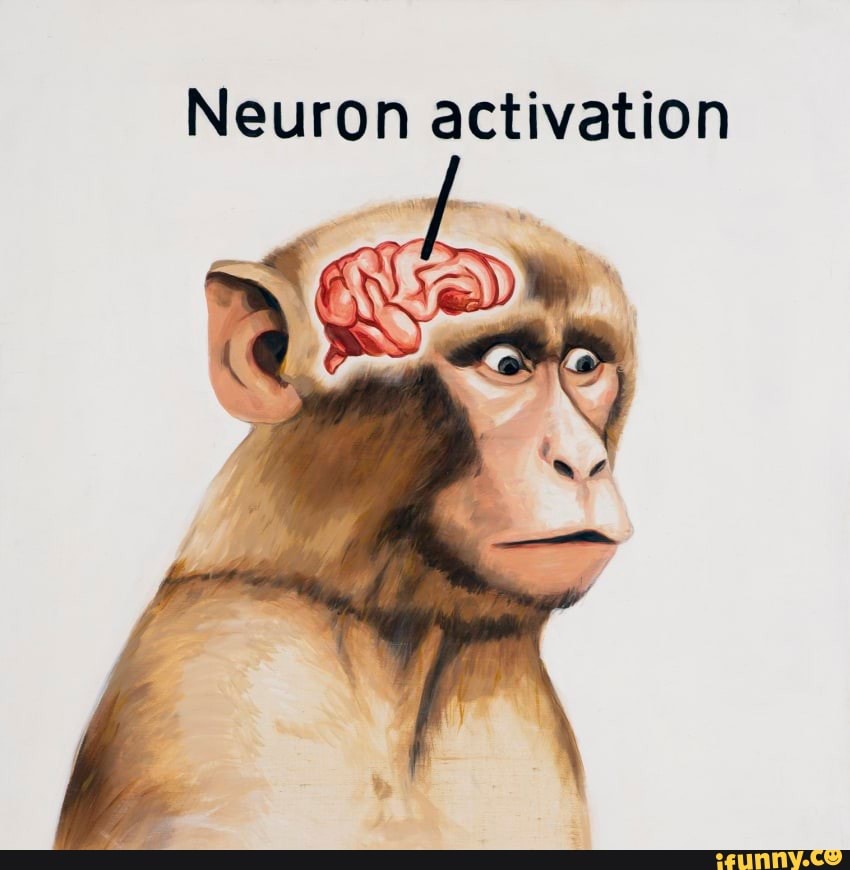
Neuron activation iFunny Brazil

Monkey Neuron Activation Meme Template
Neuron activation (flipped) Blank Template Imgflip

Neuron Activation Meme Erobert RefPolk.de

The Story Behind the Neuron Activation Meme
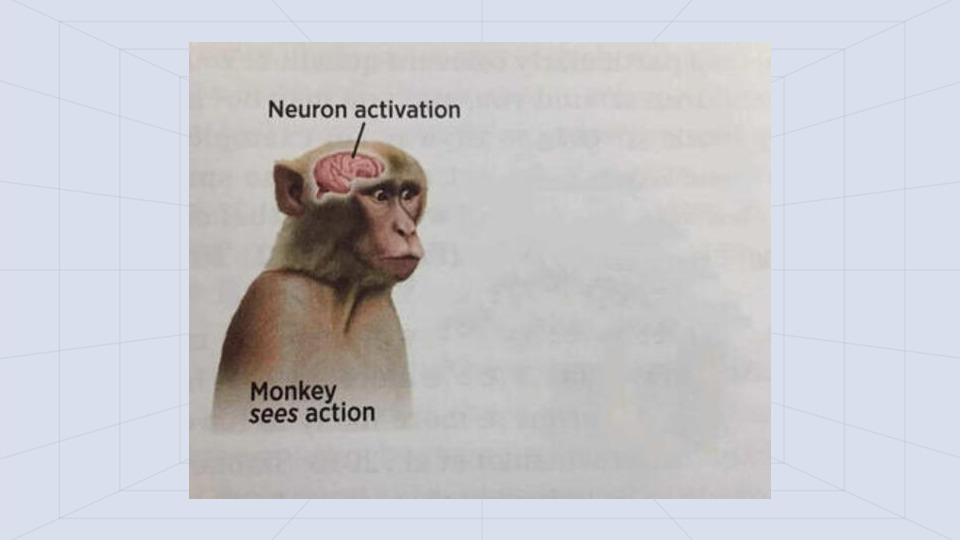
Neuron activation AI Memes Template

Neuron Activation Monkey Tee, Meme Shirt,Opossums Lover Shir Inspire
Neuron Activation Meme (.HK.) by GoldenRisuto on DeviantArt

Neutron Activation Neuron Activation Know Your Meme
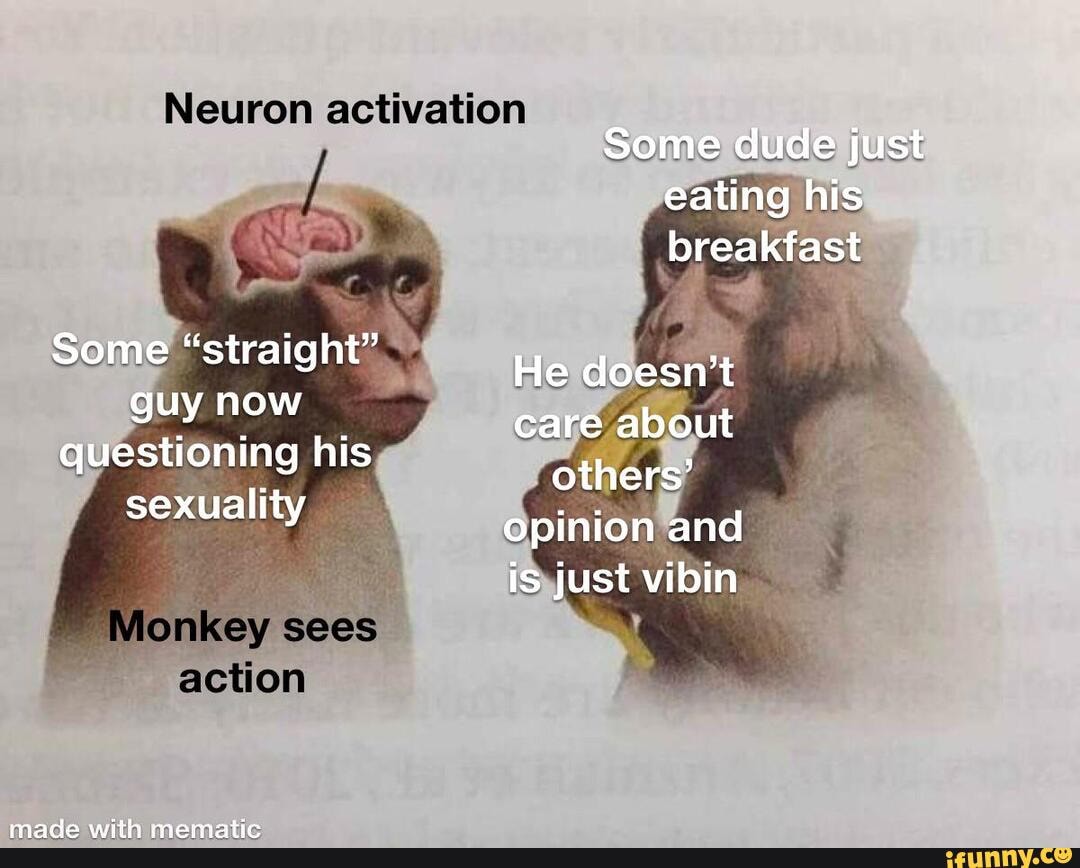
Neuron Activation Memes Neuron Activation Meme VGUUHR
Neuron Activation Image Gallery Know Your Meme

Neuron Activation r/discordVideos

Monkey Neuron Activation Meme Template
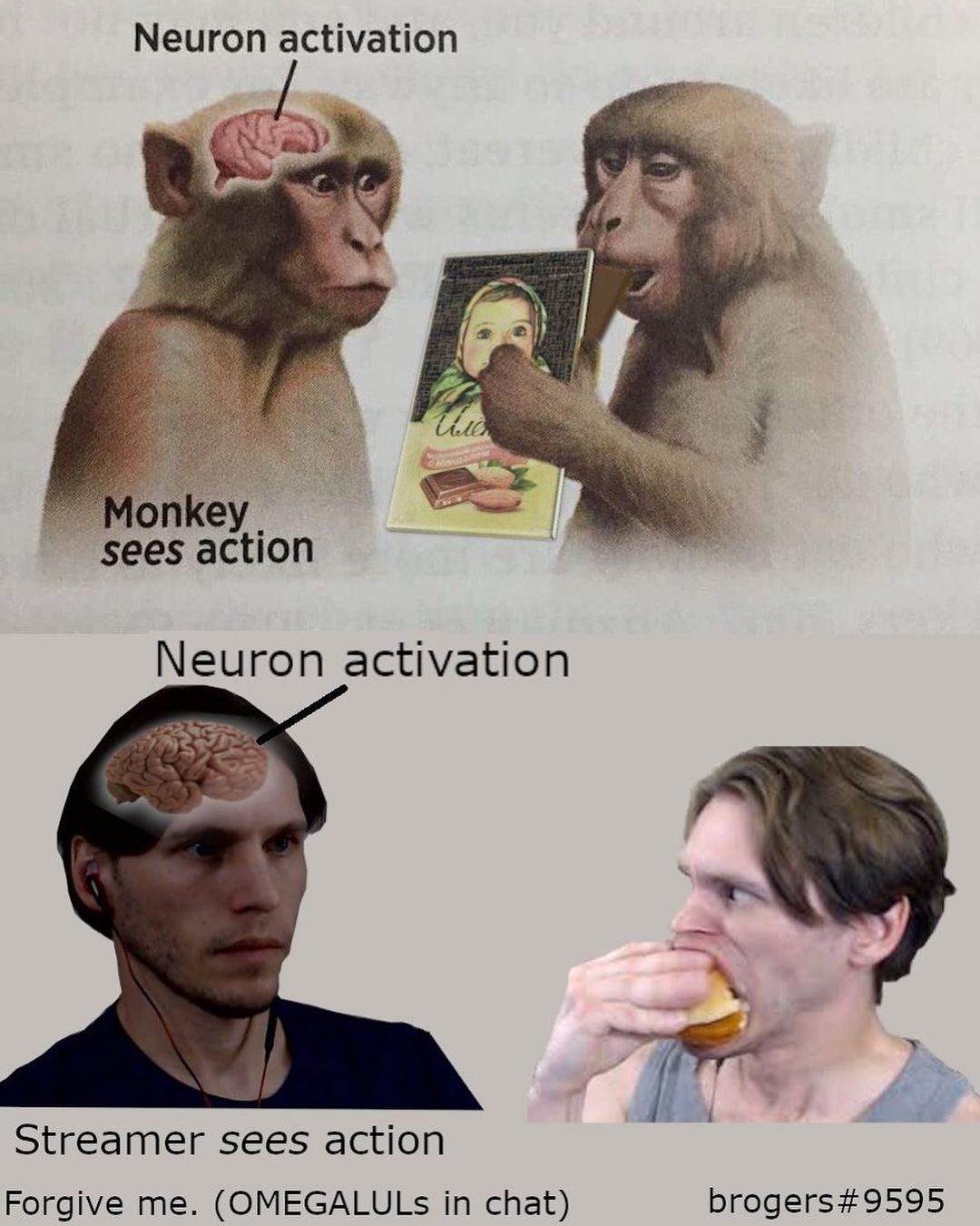
Monkey Neuron Activation Meme Template

Monkey Sees Fumo Neuron Activation Know Your Meme

Neuron Activation Meme Template
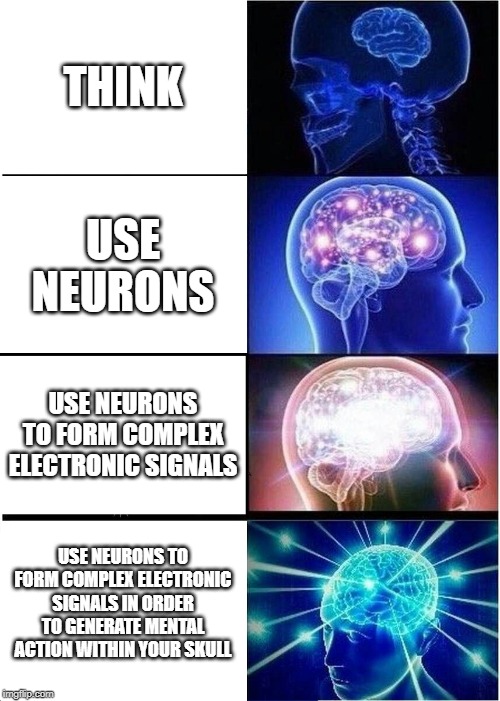
Neuron Activation Meme Template

Neuron Activation Meme Template, Monkey, monke, brain, smart, genius

Neuron Activation Know Your Meme

Neuron Activation Meme Template Printable AT A GLANCE
Their Main Function Is To Send Electrical Signals Over Short And Long Distances In The Body, And They Are Electrically And Chemically Excitable.
A Neuron Is The Basic Cell Of The Nervous System In Vertebrates And Most Invertebrates From The Level Of The Cnidarians (Such As Corals And Jellyfish) Upward.
Each Nerve Cell Consists Of The Cell Body, Which Includes The Nucleus, A Major Branching Fiber (Axon) And Numerous.
However, Nearly All Neurons Have Three Essential Parts:
Related Post: