
Infection Au Template
Infection Au Template - Lung infections can be caused by viruses, bacteria, or fungi and cause symptoms like cough, fever, and mucus. You usually get an infection when bacteria enter your body through your mouth, nose or eyes, or through a cut in your skin. An infection occurs when a microorganism — such as bacteria, fungi, or a virus — enters a person’s body and begins multiplying. Infections can occur throughout the body whether caused by bacteria, viruses, parasites, or fungi. Symptoms of infectious diseases vary depending on the cause of the infection. Learn some of the signs and symptoms of an infection. You should also talk to your provider if you plan to travel outside of the country you. Webmd explains, and provides information on the causes and treatments for both. But they often include fever and tiredness. The word infection can denote any presence of a particular pathogen at all (no matter how little) but also is often used in a sense implying a clinically apparent infection (in other words, a case of infectious. Symptoms of infectious diseases vary depending on the cause of the infection. Webmd explains, and provides information on the causes and treatments for both. Infections can occur throughout the body whether caused by bacteria, viruses, parasites, or fungi. What’s the difference between a bacterial and viral infection? Lung infections can be caused by viruses, bacteria, or fungi and cause symptoms. Infection is the process by which harmful microorganisms such as bacteria, viruses, fungi, or parasites enter cells and tissues in the body and cause disease. The word infection can denote any presence of a particular pathogen at all (no matter how little) but also is often used in a sense implying a clinically apparent infection (in other words, a case. These pathogens disrupt normal bodily functions and. An infection is a condition caused by harmful microorganisms such as bacteria, viruses, fungi, or parasites invading the body. You should also talk to your provider if you plan to travel outside of the country you. What’s the difference between a bacterial and viral infection? Most lung infections are treatable and some can. Lung infections can be caused by viruses, bacteria, or fungi and cause symptoms like cough, fever, and mucus. Webmd explains, and provides information on the causes and treatments for both. You should also talk to your provider if you plan to travel outside of the country you. You usually get an infection when bacteria enter your body through your mouth,. Lung infections can be caused by viruses, bacteria, or fungi and cause symptoms like cough, fever, and mucus. Webmd explains, and provides information on the causes and treatments for both. Rest and home remedies may clear up mild infections. Learn some of the signs and symptoms of an infection. An infection occurs when a microorganism — such as bacteria, fungi,. The word infection can denote any presence of a particular pathogen at all (no matter how little) but also is often used in a sense implying a clinically apparent infection (in other words, a case of infectious. Rest and home remedies may clear up mild infections. What’s the difference between a bacterial and viral infection? Infection is the process by. These pathogens disrupt normal bodily functions and. The word infection can denote any presence of a particular pathogen at all (no matter how little) but also is often used in a sense implying a clinically apparent infection (in other words, a case of infectious. Rest and home remedies may clear up mild infections. Most lung infections are treatable and some. Most lung infections are treatable and some can be managed at home, but. Lung infections can be caused by viruses, bacteria, or fungi and cause symptoms like cough, fever, and mucus. Rest and home remedies may clear up mild infections. You usually get an infection when bacteria enter your body through your mouth, nose or eyes, or through a cut. But they often include fever and tiredness. Rest and home remedies may clear up mild infections. Lung infections can be caused by viruses, bacteria, or fungi and cause symptoms like cough, fever, and mucus. You usually get an infection when bacteria enter your body through your mouth, nose or eyes, or through a cut in your skin. An infection occurs. You should also talk to your provider if you plan to travel outside of the country you. These pathogens disrupt normal bodily functions and. Webmd explains, and provides information on the causes and treatments for both. An infection occurs when a microorganism — such as bacteria, fungi, or a virus — enters a person’s body and begins multiplying. The word. Learn some of the signs and symptoms of an infection. An infection is a condition caused by harmful microorganisms such as bacteria, viruses, fungi, or parasites invading the body. The word infection can denote any presence of a particular pathogen at all (no matter how little) but also is often used in a sense implying a clinically apparent infection (in. An infection is a condition caused by harmful microorganisms such as bacteria, viruses, fungi, or parasites invading the body. Sometimes, bacteria that normally live on your skin or in your. You should also talk to your provider if you plan to travel outside of the country you. Infections can occur throughout the body whether caused by bacteria, viruses, parasites, or. The word infection can denote any presence of a particular pathogen at all (no matter how little) but also is often used in a sense implying a clinically apparent infection (in other words, a case of infectious. These pathogens disrupt normal bodily functions and. Learn some of the signs and symptoms of an infection. What’s the difference between a bacterial. But they often include fever and tiredness. Infections can occur throughout the body whether caused by bacteria, viruses, parasites, or fungi. Sometimes, bacteria that normally live on your skin or in your. Rest and home remedies may clear up mild infections. What’s the difference between a bacterial and viral infection? An infection occurs when a microorganism — such as bacteria, fungi, or a virus — enters a person’s body and begins multiplying. But they often include fever and tiredness. Infection is the process by which harmful microorganisms such as bacteria, viruses, fungi, or parasites enter cells and tissues in the body and cause disease. These pathogens disrupt normal bodily functions. An infection is a condition caused by harmful microorganisms such as bacteria, viruses, fungi, or parasites invading the body. Webmd explains, and provides information on the causes and treatments for both. Lung infections can be caused by viruses, bacteria, or fungi and cause symptoms like cough, fever, and mucus. What’s the difference between a bacterial and viral infection? Rest and. Lung infections can be caused by viruses, bacteria, or fungi and cause symptoms like cough, fever, and mucus. Infections can occur throughout the body whether caused by bacteria, viruses, parasites, or fungi. The word infection can denote any presence of a particular pathogen at all (no matter how little) but also is often used in a sense implying a clinically. These pathogens disrupt normal bodily functions and. Lung infections can be caused by viruses, bacteria, or fungi and cause symptoms like cough, fever, and mucus. An infection is a condition caused by harmful microorganisms such as bacteria, viruses, fungi, or parasites invading the body. An infection occurs when a microorganism — such as bacteria, fungi, or a virus — enters. Symptoms of infectious diseases vary depending on the cause of the infection. Learn some of the signs and symptoms of an infection. These pathogens disrupt normal bodily functions and. What’s the difference between a bacterial and viral infection? Rest and home remedies may clear up mild infections. Webmd explains, and provides information on the causes and treatments for both. You usually get an infection when bacteria enter your body through your mouth, nose or eyes, or through a cut in your skin. You should also talk to your provider if you plan to travel outside of the country you. Lung infections can be caused by viruses, bacteria,. Learn some of the signs and symptoms of an infection. Webmd explains, and provides information on the causes and treatments for both. The word infection can denote any presence of a particular pathogen at all (no matter how little) but also is often used in a sense implying a clinically apparent infection (in other words, a case of infectious. But. Sometimes, bacteria that normally live on your skin or in your. Symptoms of infectious diseases vary depending on the cause of the infection. An infection is a condition caused by harmful microorganisms such as bacteria, viruses, fungi, or parasites invading the body. Webmd explains, and provides information on the causes and treatments for both. You usually get an infection when. But they often include fever and tiredness. Infection is the process by which harmful microorganisms such as bacteria, viruses, fungi, or parasites enter cells and tissues in the body and cause disease. An infection is a condition caused by harmful microorganisms such as bacteria, viruses, fungi, or parasites invading the body. These pathogens disrupt normal bodily functions and. Infections can. What’s the difference between a bacterial and viral infection? These pathogens disrupt normal bodily functions and. Most lung infections are treatable and some can be managed at home, but. The word infection can denote any presence of a particular pathogen at all (no matter how little) but also is often used in a sense implying a clinically apparent infection (in. But they often include fever and tiredness. An infection is a condition caused by harmful microorganisms such as bacteria, viruses, fungi, or parasites invading the body. Symptoms of infectious diseases vary depending on the cause of the infection. What’s the difference between a bacterial and viral infection? Sometimes, bacteria that normally live on your skin or in your. Sometimes, bacteria that normally live on your skin or in your. Infections can occur throughout the body whether caused by bacteria, viruses, parasites, or fungi. Infection is the process by which harmful microorganisms such as bacteria, viruses, fungi, or parasites enter cells and tissues in the body and cause disease. Learn some of the signs and symptoms of an infection.. What’s the difference between a bacterial and viral infection? An infection is a condition caused by harmful microorganisms such as bacteria, viruses, fungi, or parasites invading the body. The word infection can denote any presence of a particular pathogen at all (no matter how little) but also is often used in a sense implying a clinically apparent infection (in other. But they often include fever and tiredness. Webmd explains, and provides information on the causes and treatments for both. Infections can occur throughout the body whether caused by bacteria, viruses, parasites, or fungi. Sometimes, bacteria that normally live on your skin or in your. Most lung infections are treatable and some can be managed at home, but. Rest and home remedies may clear up mild infections. Symptoms of infectious diseases vary depending on the cause of the infection. An infection is a condition caused by harmful microorganisms such as bacteria, viruses, fungi, or parasites invading the body. Infection is the process by which harmful microorganisms such as bacteria, viruses, fungi, or parasites enter cells and tissues in. Sometimes, bacteria that normally live on your skin or in your. Lung infections can be caused by viruses, bacteria, or fungi and cause symptoms like cough, fever, and mucus. Webmd explains, and provides information on the causes and treatments for both. Most lung infections are treatable and some can be managed at home, but. But they often include fever and. Sometimes, bacteria that normally live on your skin or in your. You should also talk to your provider if you plan to travel outside of the country you. Webmd explains, and provides information on the causes and treatments for both. Symptoms of infectious diseases vary depending on the cause of the infection. These pathogens disrupt normal bodily functions and. The word infection can denote any presence of a particular pathogen at all (no matter how little) but also is often used in a sense implying a clinically apparent infection (in other words, a case of infectious. These pathogens disrupt normal bodily functions and. Infections can occur throughout the body whether caused by bacteria, viruses, parasites, or fungi. Lung infections. But they often include fever and tiredness. Sometimes, bacteria that normally live on your skin or in your. You should also talk to your provider if you plan to travel outside of the country you. Infection is the process by which harmful microorganisms such as bacteria, viruses, fungi, or parasites enter cells and tissues in the body and cause disease.. The word infection can denote any presence of a particular pathogen at all (no matter how little) but also is often used in a sense implying a clinically apparent infection (in other words, a case of infectious. What’s the difference between a bacterial and viral infection? Symptoms of infectious diseases vary depending on the cause of the infection. An infection. An infection occurs when a microorganism — such as bacteria, fungi, or a virus — enters a person’s body and begins multiplying. Learn some of the signs and symptoms of an infection. Infections can occur throughout the body whether caused by bacteria, viruses, parasites, or fungi. Symptoms of infectious diseases vary depending on the cause of the infection. You should. Webmd explains, and provides information on the causes and treatments for both. These pathogens disrupt normal bodily functions and. You usually get an infection when bacteria enter your body through your mouth, nose or eyes, or through a cut in your skin. Infection is the process by which harmful microorganisms such as bacteria, viruses, fungi, or parasites enter cells and tissues in the body and cause disease. Infections can occur throughout the body whether caused by bacteria, viruses, parasites, or fungi. Symptoms of infectious diseases vary depending on the cause of the infection. Most lung infections are treatable and some can be managed at home, but. But they often include fever and tiredness. The word infection can denote any presence of a particular pathogen at all (no matter how little) but also is often used in a sense implying a clinically apparent infection (in other words, a case of infectious. What’s the difference between a bacterial and viral infection? An infection occurs when a microorganism — such as bacteria, fungi, or a virus — enters a person’s body and begins multiplying. Rest and home remedies may clear up mild infections. An infection is a condition caused by harmful microorganisms such as bacteria, viruses, fungi, or parasites invading the body.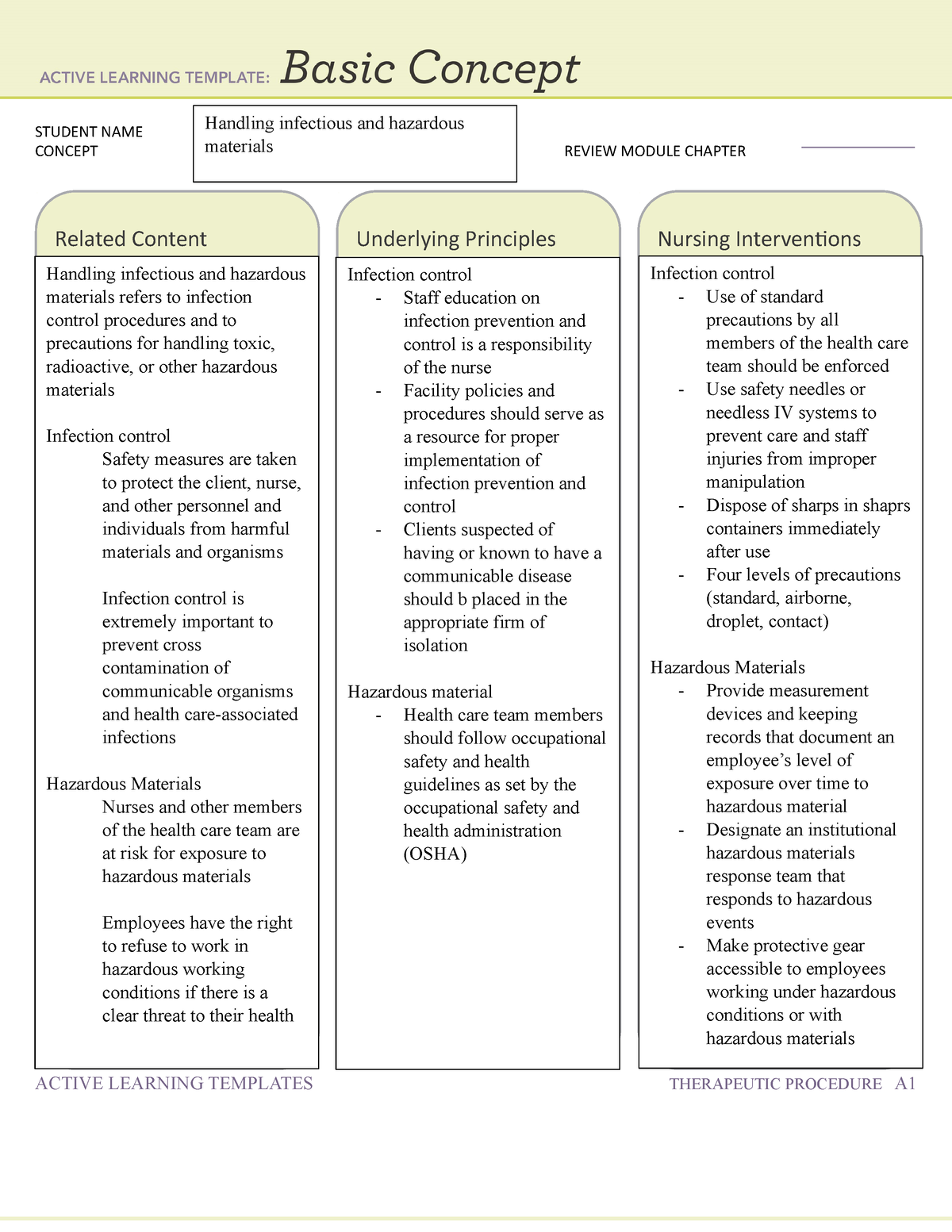
Ati Basic Concept Template Infection Control

Free Infection Control Policy Template for General Practice RACGP GP4
Infection Control Audit Tool for Hospitals Checklist Free Template
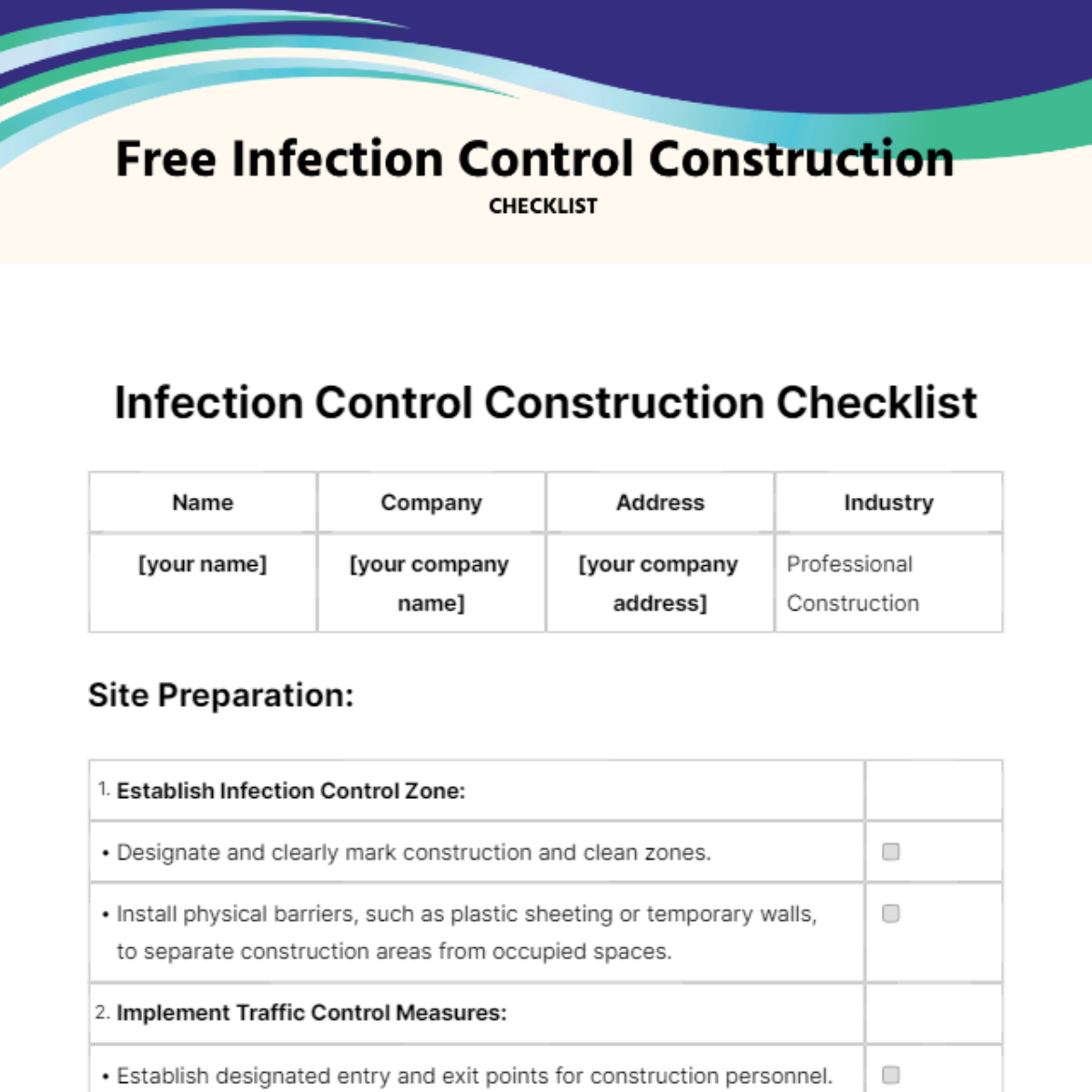
Free Infection Control Construction Checklist Template Edit Online

Editable Infection Management Template For Business Success PPT H

Infection Control PPT Template
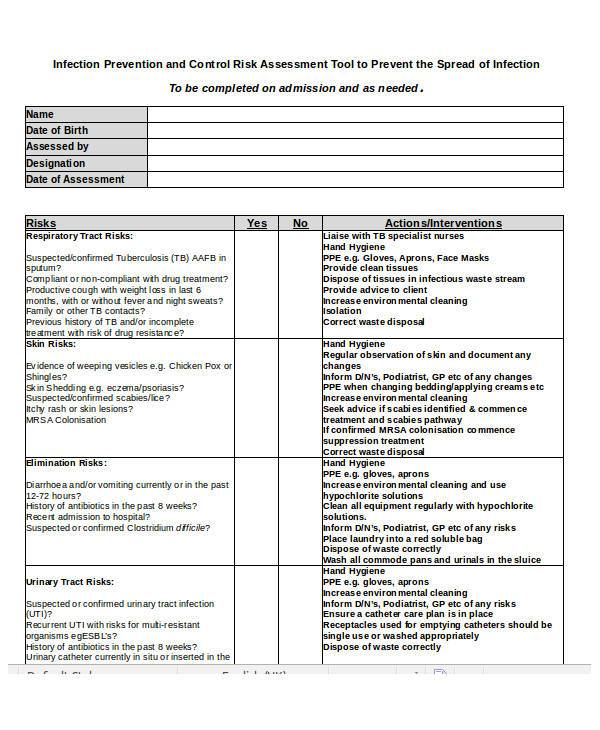
Infection Control Plan Template
![Fundamental paper education [INFECTION AU] YouTube](https://i.ytimg.com/vi/YjZo9PUUTLM/maxresdefault.jpg?sqp=-oaymwEmCIAKENAF8quKqQMa8AEB-AH-CYAC0AWKAgwIABABGGUgZShlMA8=&rs=AOn4CLCir3abiJaof-AQ_oDBRS34zMhEDQ)
Fundamental paper education [INFECTION AU] YouTube
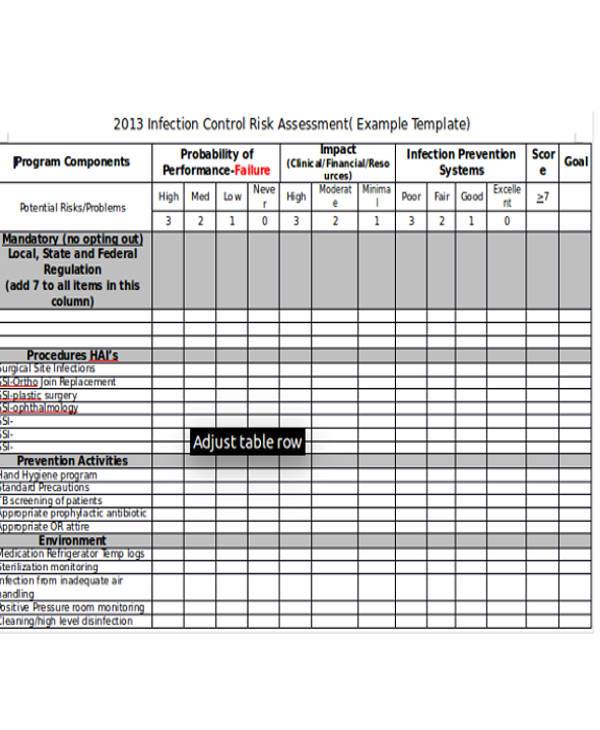
Infection Control Risk Assessment Templates

infection AU (V) Blank Template Imgflip
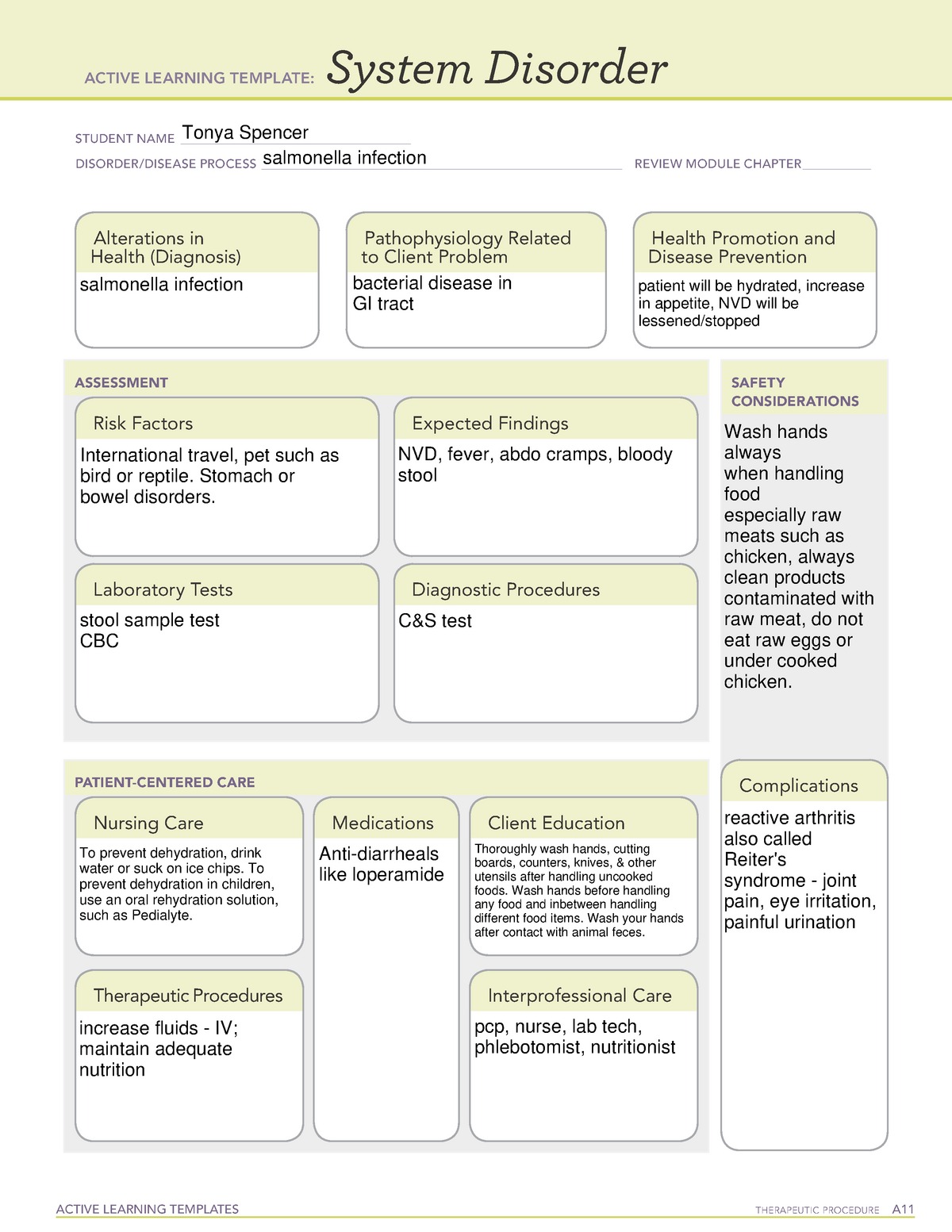
Infection Control Ati Template
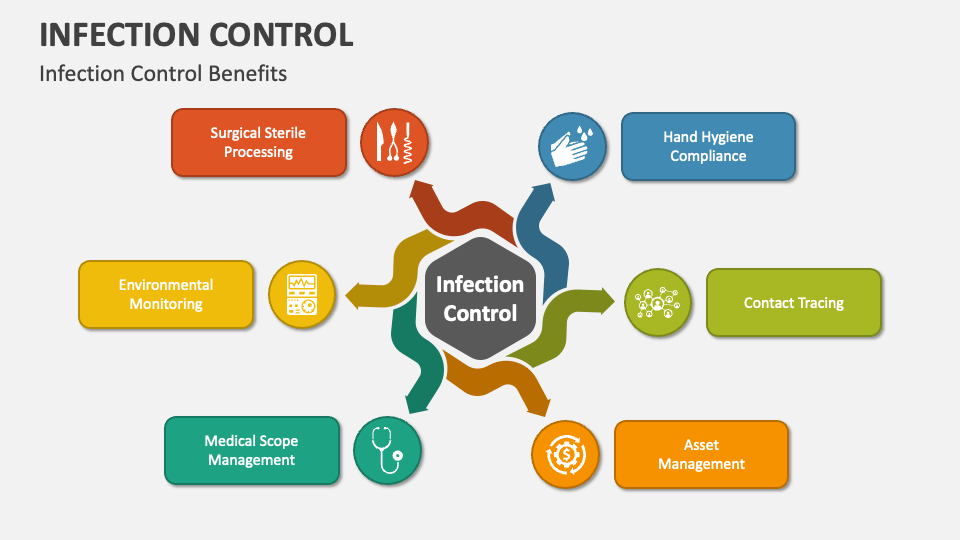
Infection Control And Prevention Powerpoints
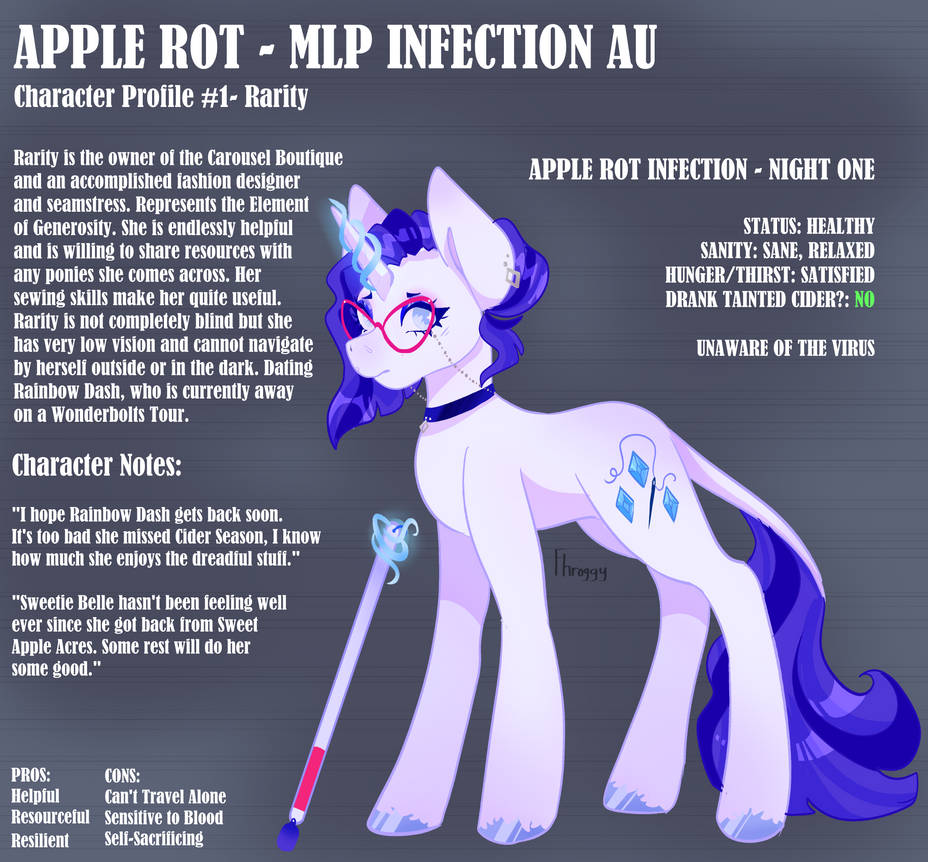
Apple Rot MLP Infection AU Rarity by fhroggy on DeviantArt
Infection Control Surveillance Free Template
Infection Prevention and Control Report Free Template

MLP Infection Know Your Meme
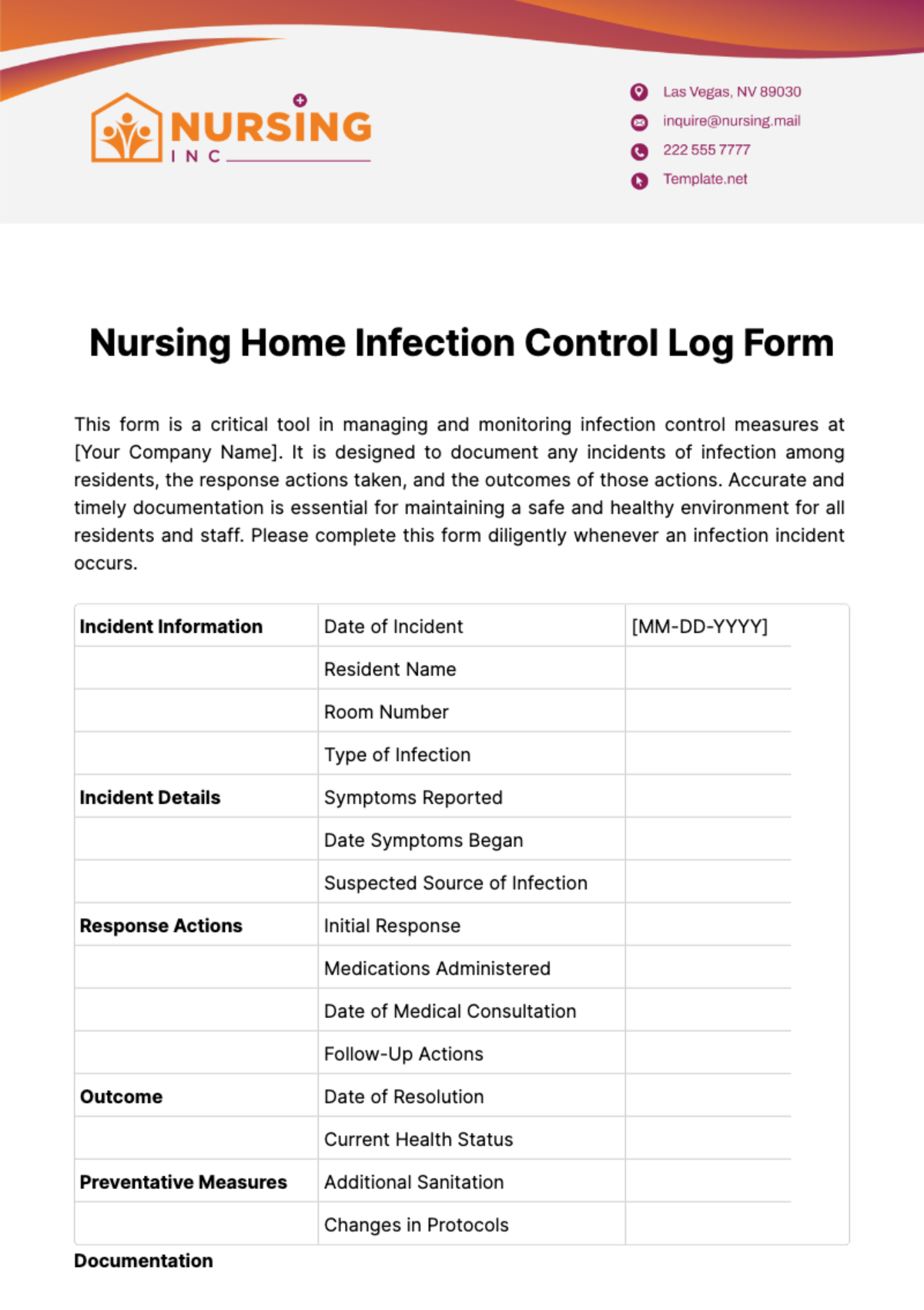
Free Nursing Home Care Plan Meeting Minute Template to Edit Online
Prévenir les infections postopératoires au bloc opératoire Free Template
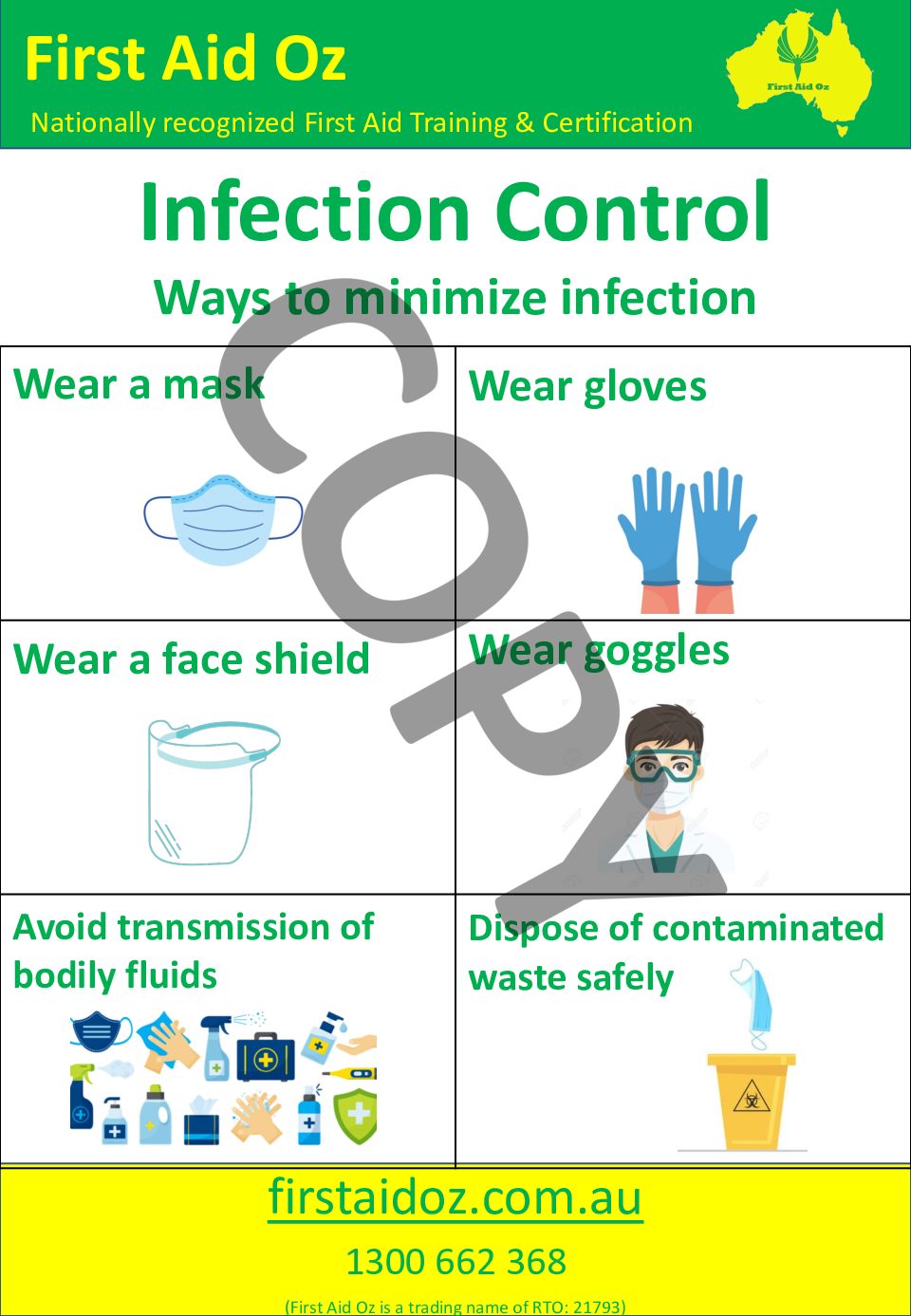
Infection Control Poster First Aid Oz
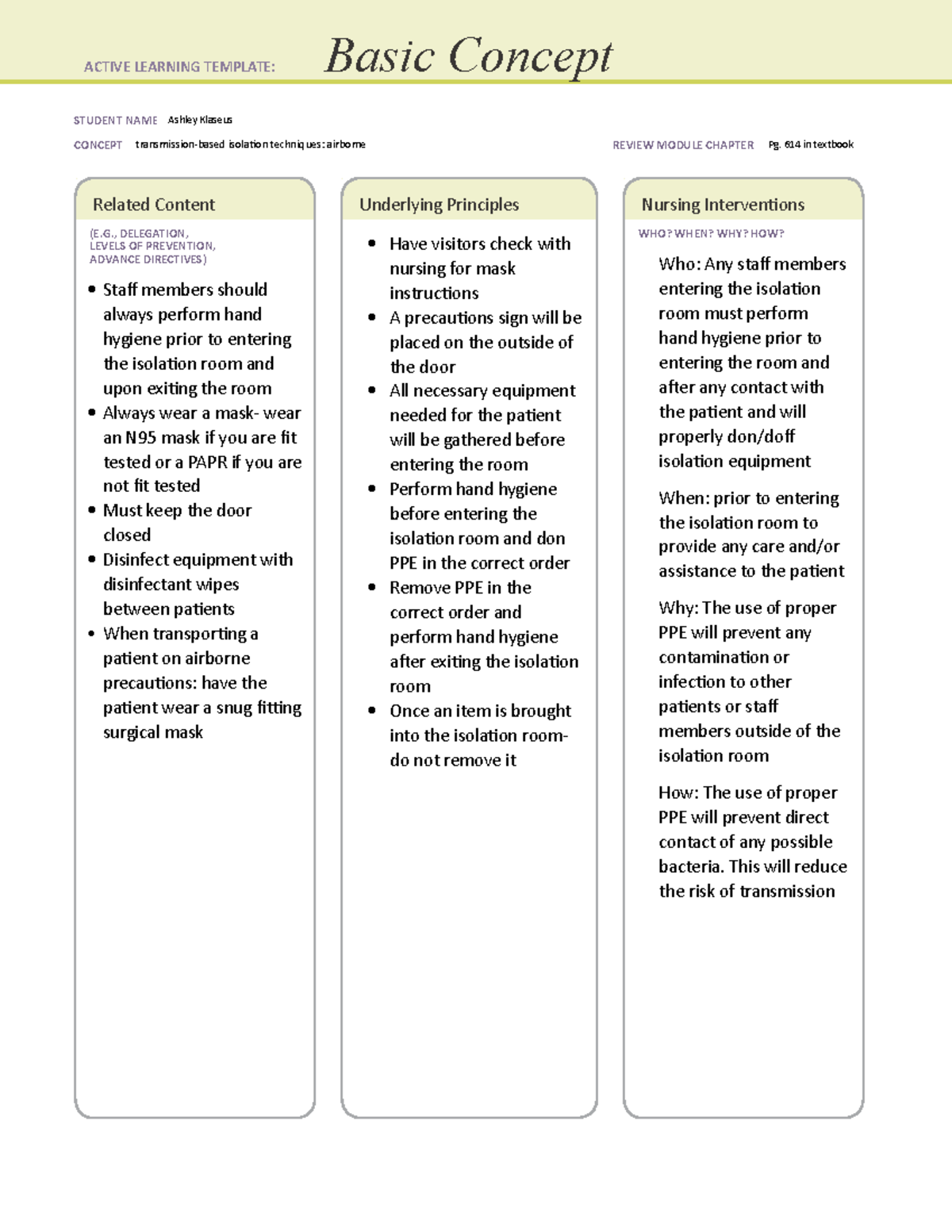
Ati Basic Concept Template Infection Control
lobotomy dash infection au template ibisPaint
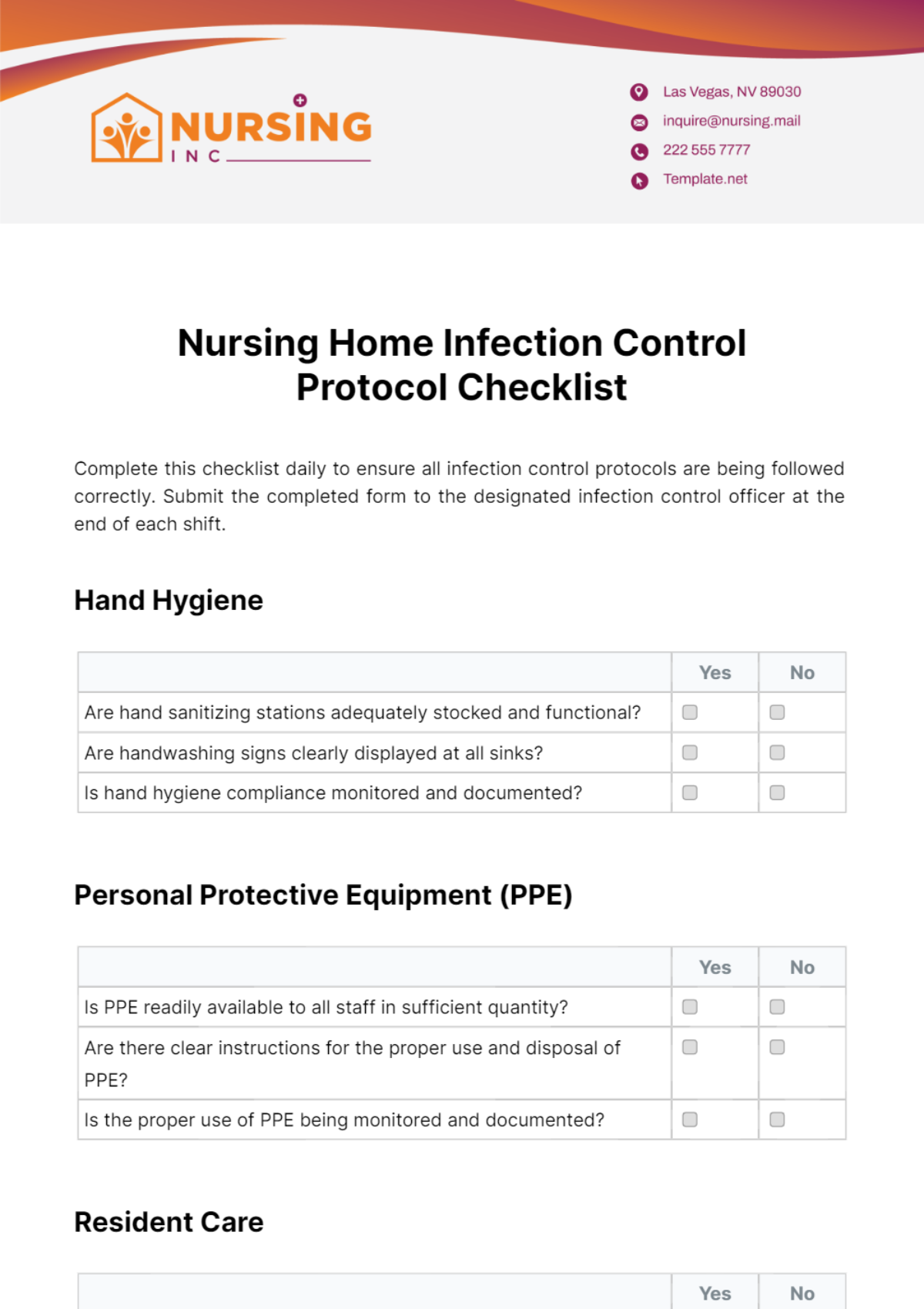
Free Nursing Home Infection Control Protocol Checklist Template to Edit

Infection Au ref sheet by JOjoLeafy1234 on DeviantArt
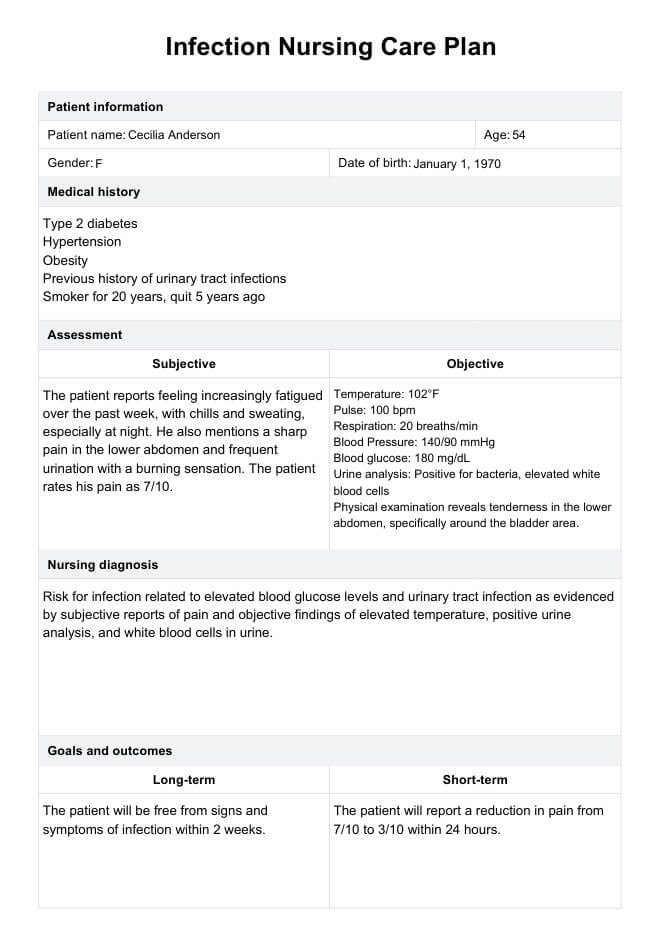
Infection Nursing Care Plan Template & Example Free PDF Download

HOW TO MAKE YOUR OWN INFECTION AU! Horror analysis YouTube
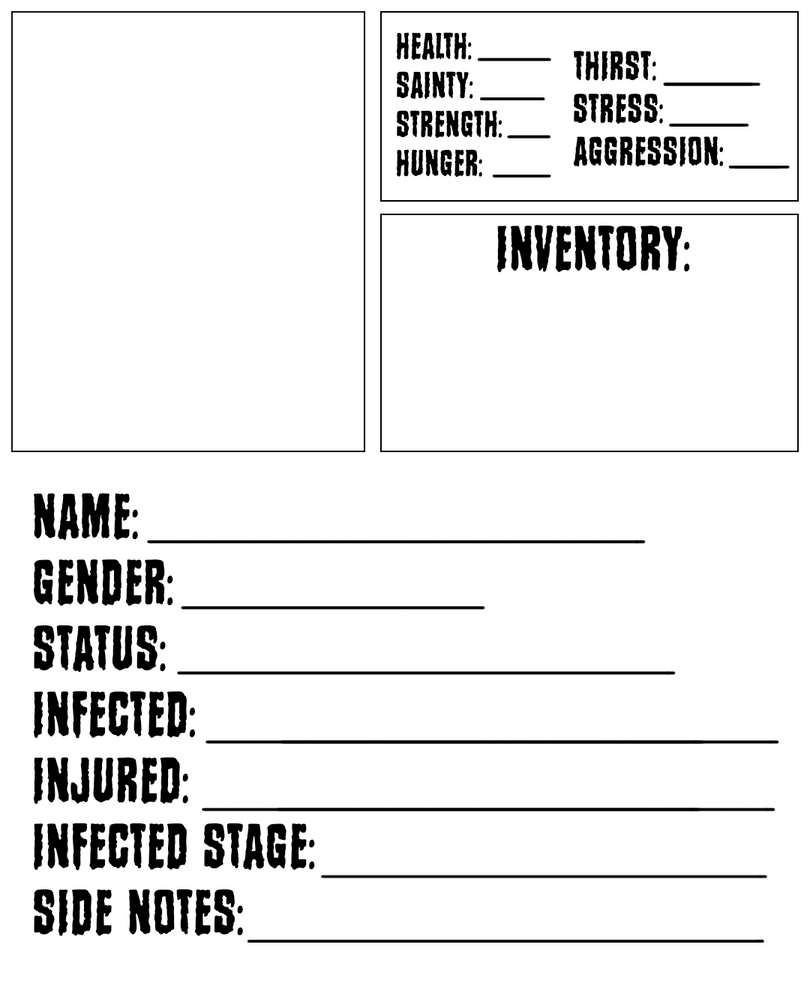
Character Infection Profile Pic (MSA Infection AU) by SfCabanas15 on

Template Infection Prevention and Control Manual Infection prevention
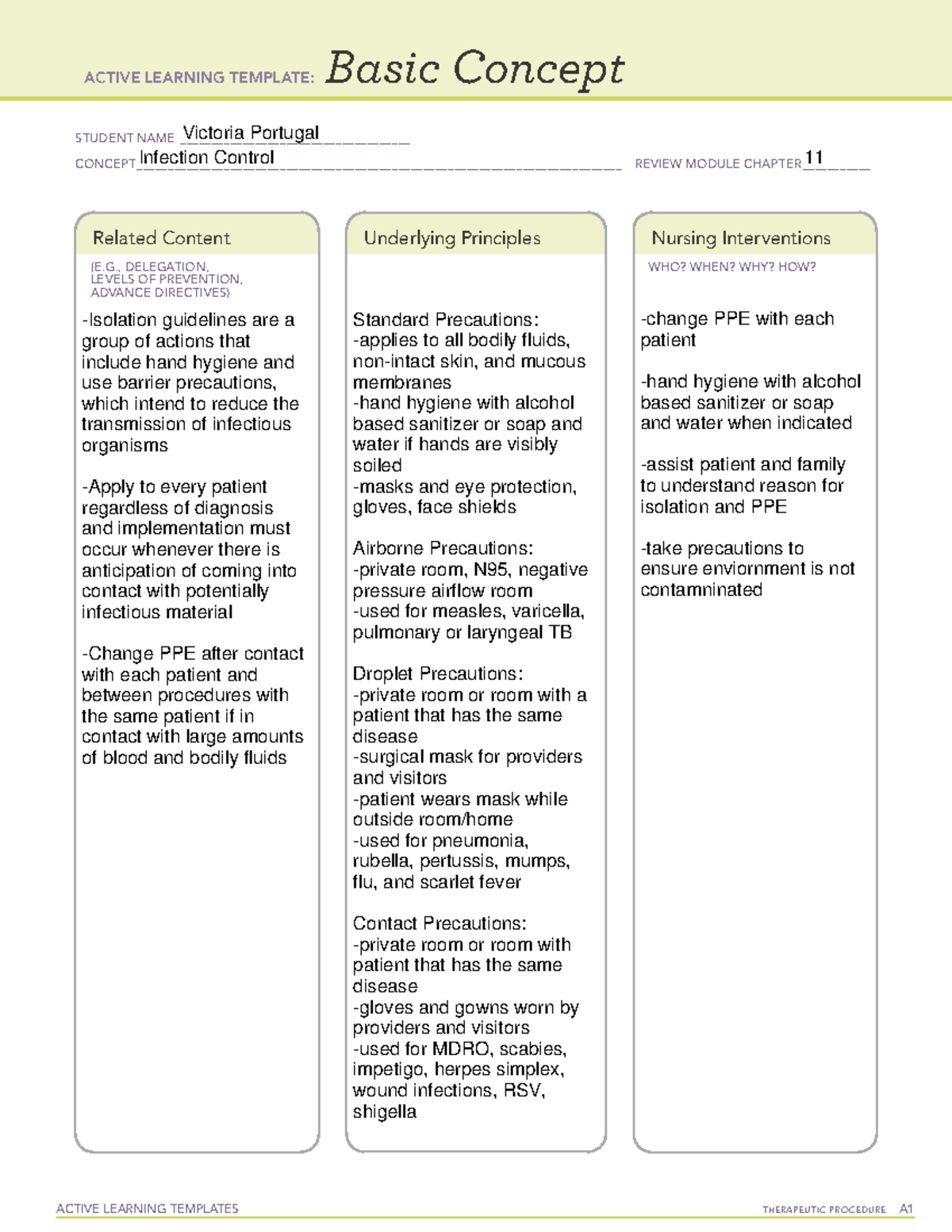
Infection Control Basics Understanding Key Concepts & Guidelines Studocu

Infection Control Risk Assessment Template
AI Infection AU Maker
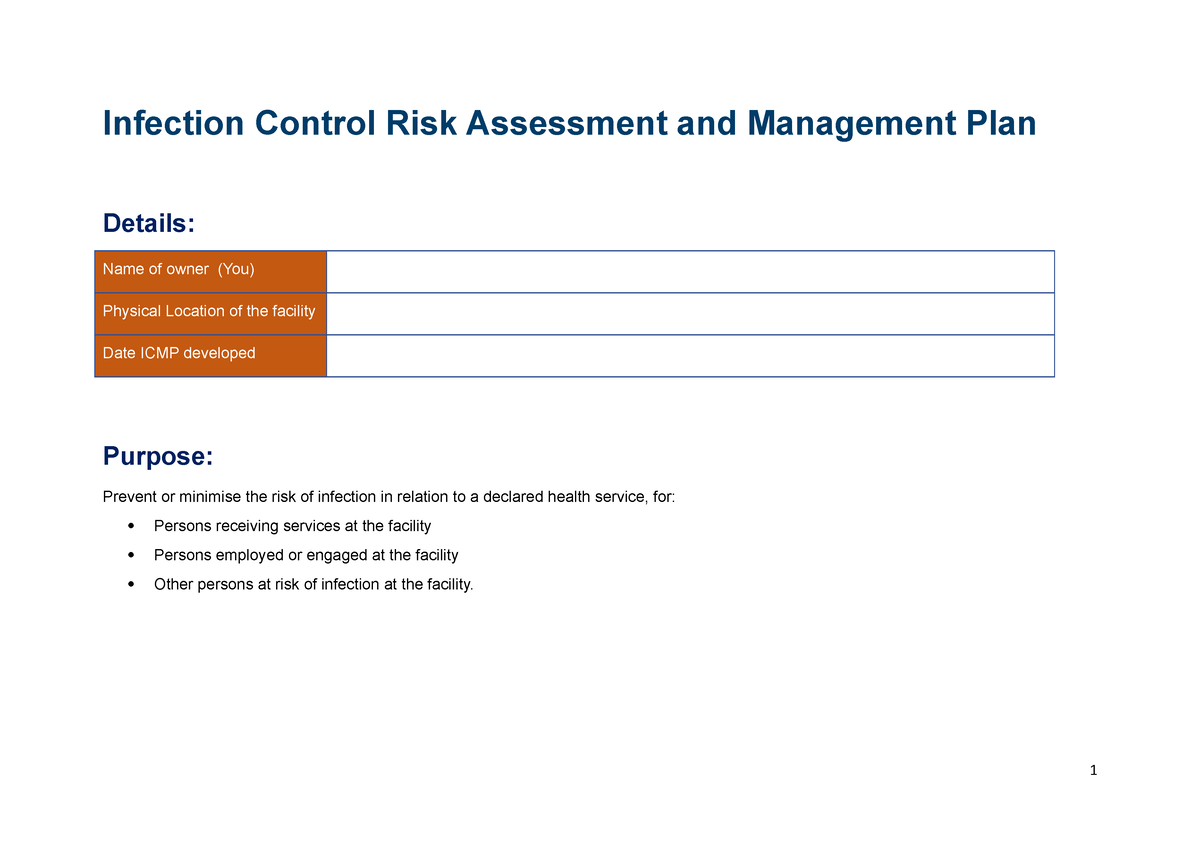
Infection Control Risk Assessment Templates
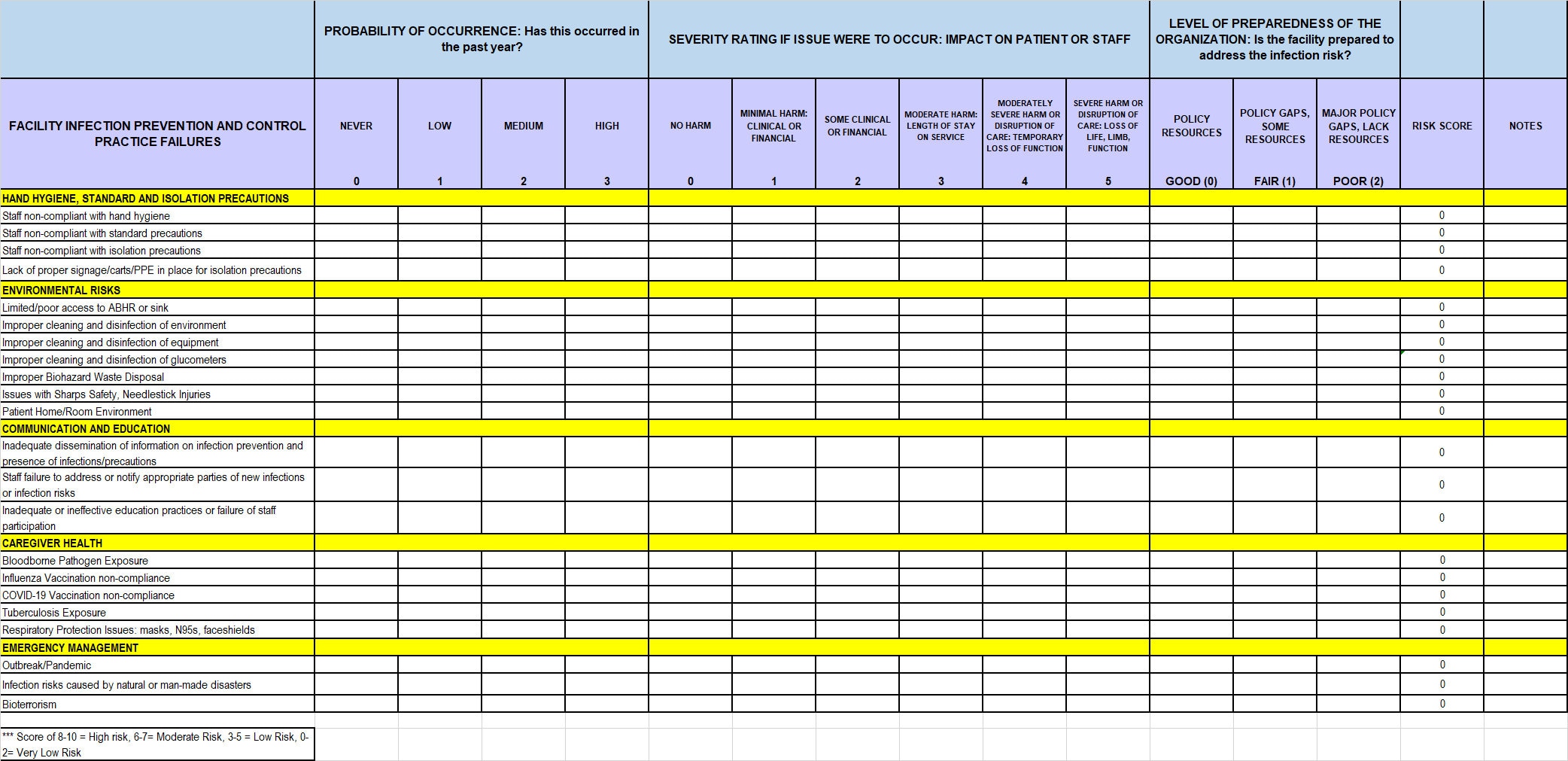
Infection Control Risk Assessment Templates

Professional Infection Prevention Risk Assessment Template Example
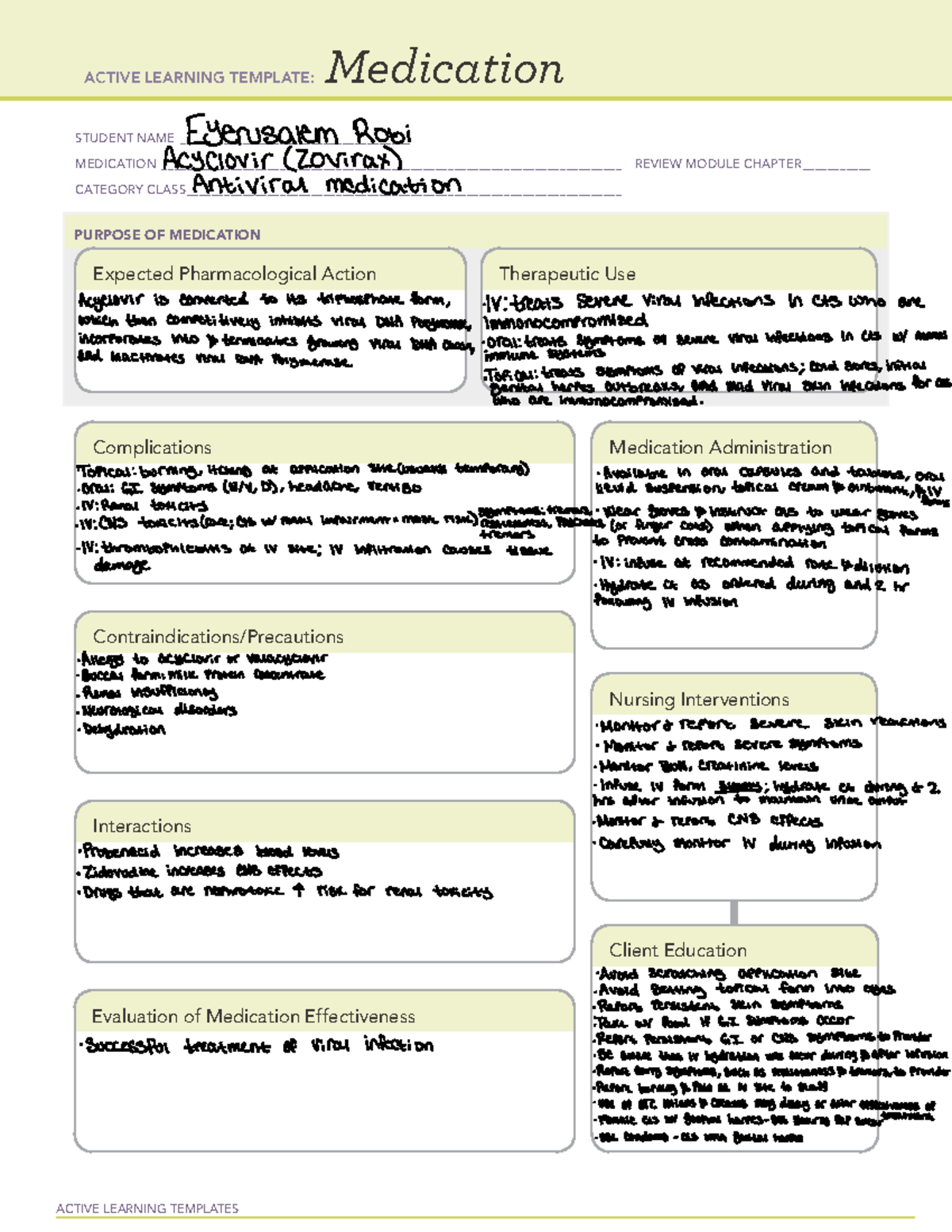
Infection Active Learning Templates ACTIVE LEARNING TEMPLATES
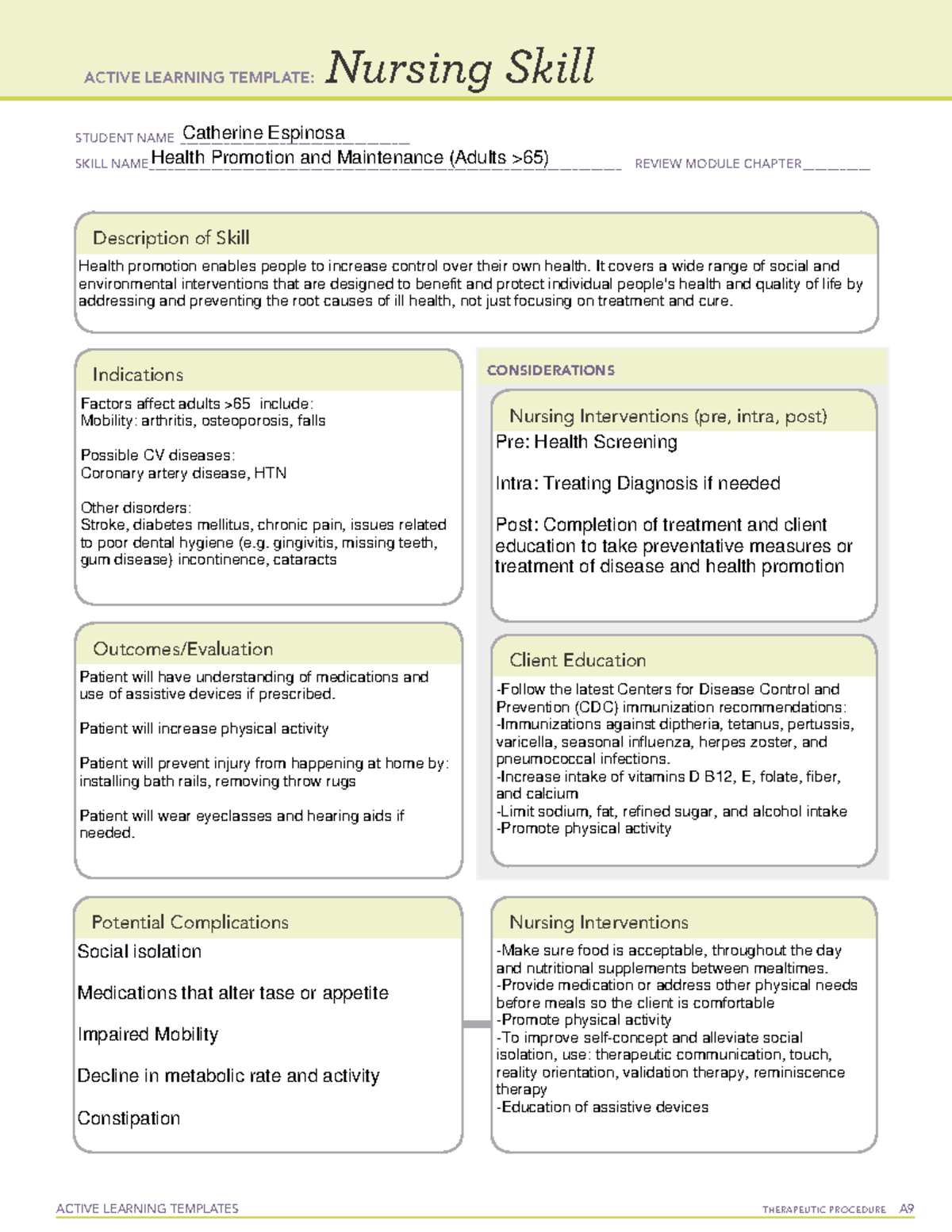
Vascular Health And Risk Management
Learn Some Of The Signs And Symptoms Of An Infection.
Sometimes, Bacteria That Normally Live On Your Skin Or In Your.
Lung Infections Can Be Caused By Viruses, Bacteria, Or Fungi And Cause Symptoms Like Cough, Fever, And Mucus.
You Should Also Talk To Your Provider If You Plan To Travel Outside Of The Country You.
Related Post: