
Demon Slayer Templates
Demon Slayer Templates - Other articles where demon is discussed: Explore demons in mythology, religion, and culture, examining their roles as tempters, forces of chaos, and cosmic balance. A clear, culturally grounded guide to names, origins and myths why is there such a timeless fascination with demons across cultures? [1] historically, belief in demons, or stories about demons, occurs in folklore, mythology, religion, occultism, and literature; However as religion evolved so too did the demons. The meaning of demon is an evil spirit. In religion, folklore, and mythology, a demon (also rendered daemon, dæmon, or daimon) is a supernatural being of malevolent intent, or a fallen angel not following god. Demons, demonologya demon is an evil spirit, or devil, in the ordinary english usage of the term. This definition is, however, only approximate. A demon is an evil or malevolent supernatural entity. Explore demons in mythology, religion, and culture, examining their roles as tempters, forces of chaos, and cosmic balance. A clear, culturally grounded guide to names, origins and myths why is there such a timeless fascination with demons across cultures? The idea of demons can be traced back to the. These beliefs are reflected in. “demon” is not a single, simple. The meaning of demon is an evil spirit. How to use demon in a sentence. Explore demons in mythology, religion, and culture, examining their roles as tempters, forces of chaos, and cosmic balance. Other articles where demon is discussed: Demons are malevolent, supernatural entities found in many religions and mythologies. Explore demons in mythology, religion, and culture, examining their roles as tempters, forces of chaos, and cosmic balance. The idea of demons can be traced back to the. “demon” is not a single, simple. These beliefs are reflected in. However as religion evolved so too did the demons. These beliefs are reflected in. [1] historically, belief in demons, or stories about demons, occurs in folklore, mythology, religion, occultism, and literature; A clear, culturally grounded guide to names, origins and myths why is there such a timeless fascination with demons across cultures? How to use demon in a sentence. Demons are malevolent, supernatural entities found in many religions and. However as religion evolved so too did the demons. Demons are malevolent, supernatural entities found in many religions and mythologies. In religion, folklore, and mythology, a demon (also rendered daemon, dæmon, or daimon) is a supernatural being of malevolent intent, or a fallen angel not following god. In polytheistic religions the line between gods and. Demon, respectively, any benevolent or. In the ancient cultures, a demon didn’t always have an evil connotation. The idea of demons can be traced back to the. Other articles where demon is discussed: The meaning of demon is an evil spirit. A demon is an evil or malevolent supernatural entity. Because each belief system is unique, demons have many different traits and characteristics. Demon, a mythical creature, is a malevolent supernatural entity that has been the subject of many stories, myths, and legends throughout history. How to use demon in a sentence. Demons, demonologya demon is an evil spirit, or devil, in the ordinary english usage of the term. In. “demon” is not a single, simple. Demon, a mythical creature, is a malevolent supernatural entity that has been the subject of many stories, myths, and legends throughout history. The idea of demons can be traced back to the. Other articles where demon is discussed: In the ancient cultures, a demon didn’t always have an evil connotation. [1] historically, belief in demons, or stories about demons, occurs in folklore, mythology, religion, occultism, and literature; Explore demons in mythology, religion, and culture, examining their roles as tempters, forces of chaos, and cosmic balance. Demon, a mythical creature, is a malevolent supernatural entity that has been the subject of many stories, myths, and legends throughout history. In the ancient. The idea of demons can be traced back to the. However as religion evolved so too did the demons. The meaning of demon is an evil spirit. In polytheistic religions the line between gods and. Demon, respectively, any benevolent or malevolent spiritual being that mediates between the transcendent and temporal realms. The idea of demons can be traced back to the. This definition is, however, only approximate. Explore demons in mythology, religion, and culture, examining their roles as tempters, forces of chaos, and cosmic balance. Other articles where demon is discussed: The meaning of demon is an evil spirit. Demon, a mythical creature, is a malevolent supernatural entity that has been the subject of many stories, myths, and legends throughout history. Other articles where demon is discussed: Explore demons in mythology, religion, and culture, examining their roles as tempters, forces of chaos, and cosmic balance. Because each belief system is unique, demons have many different traits and characteristics. These. The idea of demons can be traced back to the. Demons are malevolent, supernatural entities found in many religions and mythologies. Demon, a mythical creature, is a malevolent supernatural entity that has been the subject of many stories, myths, and legends throughout history. In polytheistic religions the line between gods and. These beliefs are reflected in. In the ancient cultures, a demon didn’t always have an evil connotation. A clear, culturally grounded guide to names, origins and myths why is there such a timeless fascination with demons across cultures? Demons are malevolent, supernatural entities found in many religions and mythologies. These beliefs are reflected in. Because each belief system is unique, demons have many different traits. In religion, folklore, and mythology, a demon (also rendered daemon, dæmon, or daimon) is a supernatural being of malevolent intent, or a fallen angel not following god. In the ancient cultures, a demon didn’t always have an evil connotation. In polytheistic religions the line between gods and. Explore demons in mythology, religion, and culture, examining their roles as tempters, forces. In polytheistic religions the line between gods and. Demons, demonologya demon is an evil spirit, or devil, in the ordinary english usage of the term. Other articles where demon is discussed: However as religion evolved so too did the demons. Because each belief system is unique, demons have many different traits and characteristics. Other articles where demon is discussed: In the ancient cultures, a demon didn’t always have an evil connotation. In polytheistic religions the line between gods and. This definition is, however, only approximate. However as religion evolved so too did the demons. Demon, respectively, any benevolent or malevolent spiritual being that mediates between the transcendent and temporal realms. Because each belief system is unique, demons have many different traits and characteristics. This definition is, however, only approximate. The idea of demons can be traced back to the. In polytheistic religions the line between gods and. The idea of demons can be traced back to the. Because each belief system is unique, demons have many different traits and characteristics. However as religion evolved so too did the demons. Other articles where demon is discussed: In religion, folklore, and mythology, a demon (also rendered daemon, dæmon, or daimon) is a supernatural being of malevolent intent, or a. The meaning of demon is an evil spirit. Demons, demonologya demon is an evil spirit, or devil, in the ordinary english usage of the term. Demon, respectively, any benevolent or malevolent spiritual being that mediates between the transcendent and temporal realms. Because each belief system is unique, demons have many different traits and characteristics. In religion, folklore, and mythology, a. Demon, respectively, any benevolent or malevolent spiritual being that mediates between the transcendent and temporal realms. [1] historically, belief in demons, or stories about demons, occurs in folklore, mythology, religion, occultism, and literature; In religion, folklore, and mythology, a demon (also rendered daemon, dæmon, or daimon) is a supernatural being of malevolent intent, or a fallen angel not following god.. These beliefs are reflected in. The idea of demons can be traced back to the. [1] historically, belief in demons, or stories about demons, occurs in folklore, mythology, religion, occultism, and literature; How to use demon in a sentence. A clear, culturally grounded guide to names, origins and myths why is there such a timeless fascination with demons across cultures? A demon is an evil or malevolent supernatural entity. In religion, folklore, and mythology, a demon (also rendered daemon, dæmon, or daimon) is a supernatural being of malevolent intent, or a fallen angel not following god. Other articles where demon is discussed: The idea of demons can be traced back to the. Demon, a mythical creature, is a malevolent supernatural. A clear, culturally grounded guide to names, origins and myths why is there such a timeless fascination with demons across cultures? Because each belief system is unique, demons have many different traits and characteristics. The idea of demons can be traced back to the. This definition is, however, only approximate. The meaning of demon is an evil spirit. [1] historically, belief in demons, or stories about demons, occurs in folklore, mythology, religion, occultism, and literature; This definition is, however, only approximate. Demons, demonologya demon is an evil spirit, or devil, in the ordinary english usage of the term. Because each belief system is unique, demons have many different traits and characteristics. Demon, respectively, any benevolent or malevolent spiritual. How to use demon in a sentence. In polytheistic religions the line between gods and. Because each belief system is unique, demons have many different traits and characteristics. Demons, demonologya demon is an evil spirit, or devil, in the ordinary english usage of the term. Demons are malevolent, supernatural entities found in many religions and mythologies. The idea of demons can be traced back to the. “demon” is not a single, simple. Demons are malevolent, supernatural entities found in many religions and mythologies. Demons, demonologya demon is an evil spirit, or devil, in the ordinary english usage of the term. The meaning of demon is an evil spirit. Demons are malevolent, supernatural entities found in many religions and mythologies. How to use demon in a sentence. Because each belief system is unique, demons have many different traits and characteristics. Demons, demonologya demon is an evil spirit, or devil, in the ordinary english usage of the term. Demon, respectively, any benevolent or malevolent spiritual being that mediates between the. The idea of demons can be traced back to the. [1] historically, belief in demons, or stories about demons, occurs in folklore, mythology, religion, occultism, and literature; A demon is an evil or malevolent supernatural entity. Explore demons in mythology, religion, and culture, examining their roles as tempters, forces of chaos, and cosmic balance. A clear, culturally grounded guide to. Explore demons in mythology, religion, and culture, examining their roles as tempters, forces of chaos, and cosmic balance. Demons are malevolent, supernatural entities found in many religions and mythologies. In religion, folklore, and mythology, a demon (also rendered daemon, dæmon, or daimon) is a supernatural being of malevolent intent, or a fallen angel not following god. Because each belief system. How to use demon in a sentence. Demons, demonologya demon is an evil spirit, or devil, in the ordinary english usage of the term. In religion, folklore, and mythology, a demon (also rendered daemon, dæmon, or daimon) is a supernatural being of malevolent intent, or a fallen angel not following god. These beliefs are reflected in. However as religion evolved. Demons, demonologya demon is an evil spirit, or devil, in the ordinary english usage of the term. Because each belief system is unique, demons have many different traits and characteristics. This definition is, however, only approximate. A clear, culturally grounded guide to names, origins and myths why is there such a timeless fascination with demons across cultures? In religion, folklore,. Because each belief system is unique, demons have many different traits and characteristics. [1] historically, belief in demons, or stories about demons, occurs in folklore, mythology, religion, occultism, and literature; Demons are malevolent, supernatural entities found in many religions and mythologies. In the ancient cultures, a demon didn’t always have an evil connotation. The meaning of demon is an evil. In religion, folklore, and mythology, a demon (also rendered daemon, dæmon, or daimon) is a supernatural being of malevolent intent, or a fallen angel not following god. Demons, demonologya demon is an evil spirit, or devil, in the ordinary english usage of the term. “demon” is not a single, simple. The idea of demons can be traced back to the.. Explore demons in mythology, religion, and culture, examining their roles as tempters, forces of chaos, and cosmic balance. How to use demon in a sentence. “demon” is not a single, simple. Demon, a mythical creature, is a malevolent supernatural entity that has been the subject of many stories, myths, and legends throughout history. Other articles where demon is discussed: Demons are malevolent, supernatural entities found in many religions and mythologies. How to use demon in a sentence. In polytheistic religions the line between gods and. A demon is an evil or malevolent supernatural entity. Demon, a mythical creature, is a malevolent supernatural entity that has been the subject of many stories, myths, and legends throughout history. Other articles where demon is discussed: These beliefs are reflected in. The idea of demons can be traced back to the. Because each belief system is unique, demons have many different traits and characteristics. However as religion evolved so too did the demons. In religion, folklore, and mythology, a demon (also rendered daemon, dæmon, or daimon) is a supernatural being of malevolent intent, or a fallen angel not following god. The meaning of demon is an evil spirit. In the ancient cultures, a demon didn’t always have an evil connotation. [1] historically, belief in demons, or stories about demons, occurs in folklore, mythology, religion, occultism, and literature; Explore demons in mythology, religion, and culture, examining their roles as tempters, forces of chaos, and cosmic balance. “demon” is not a single, simple.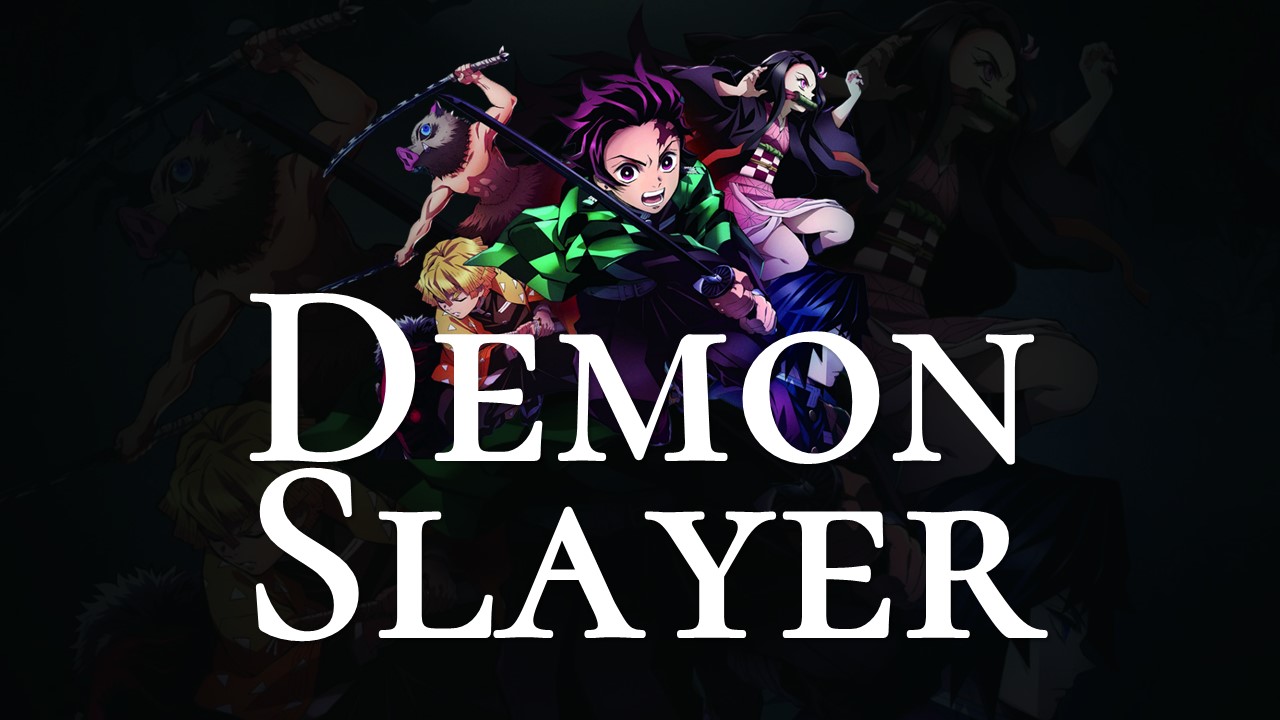
Demon Slayer Anime Template for Presentations SlideChef
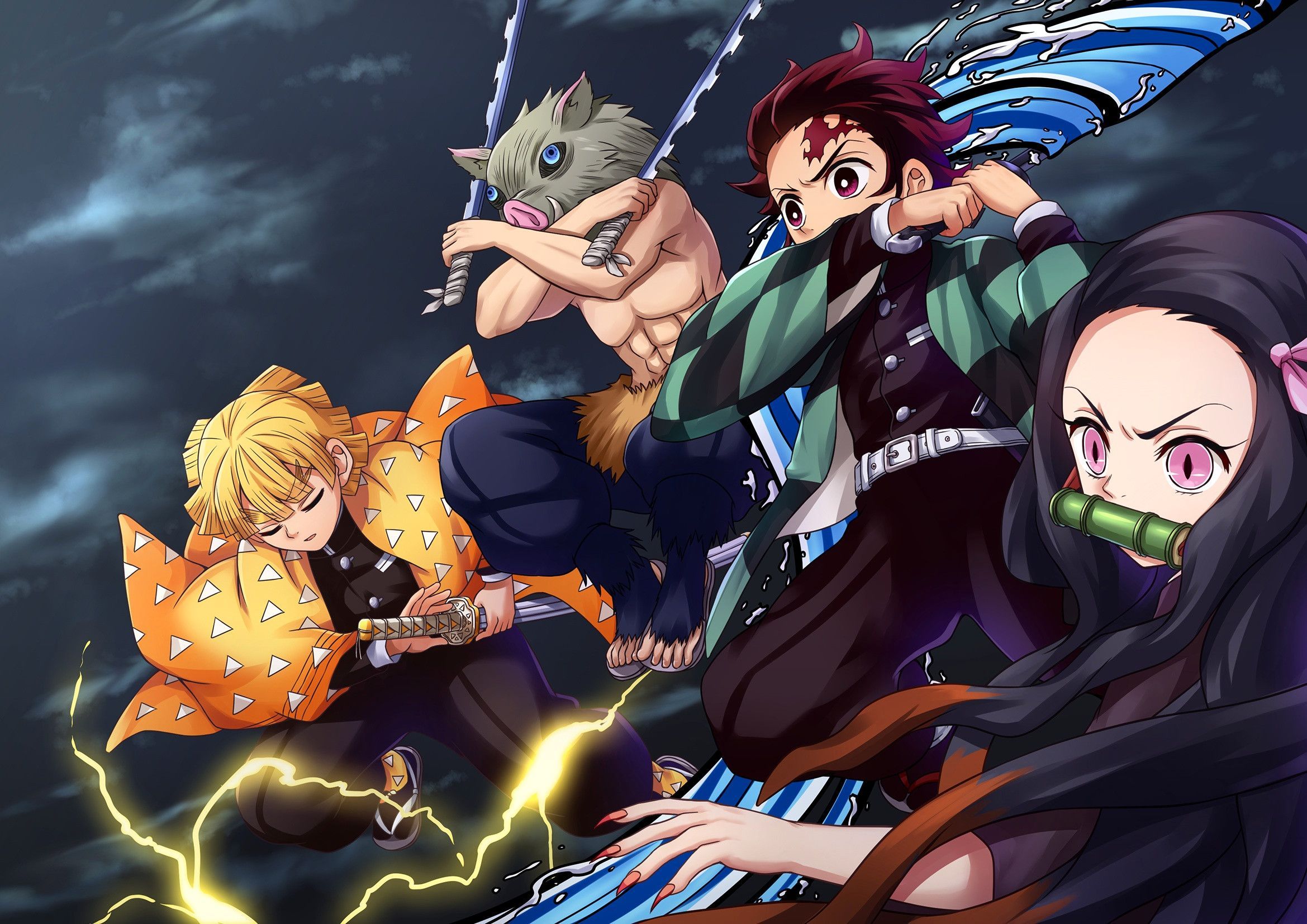
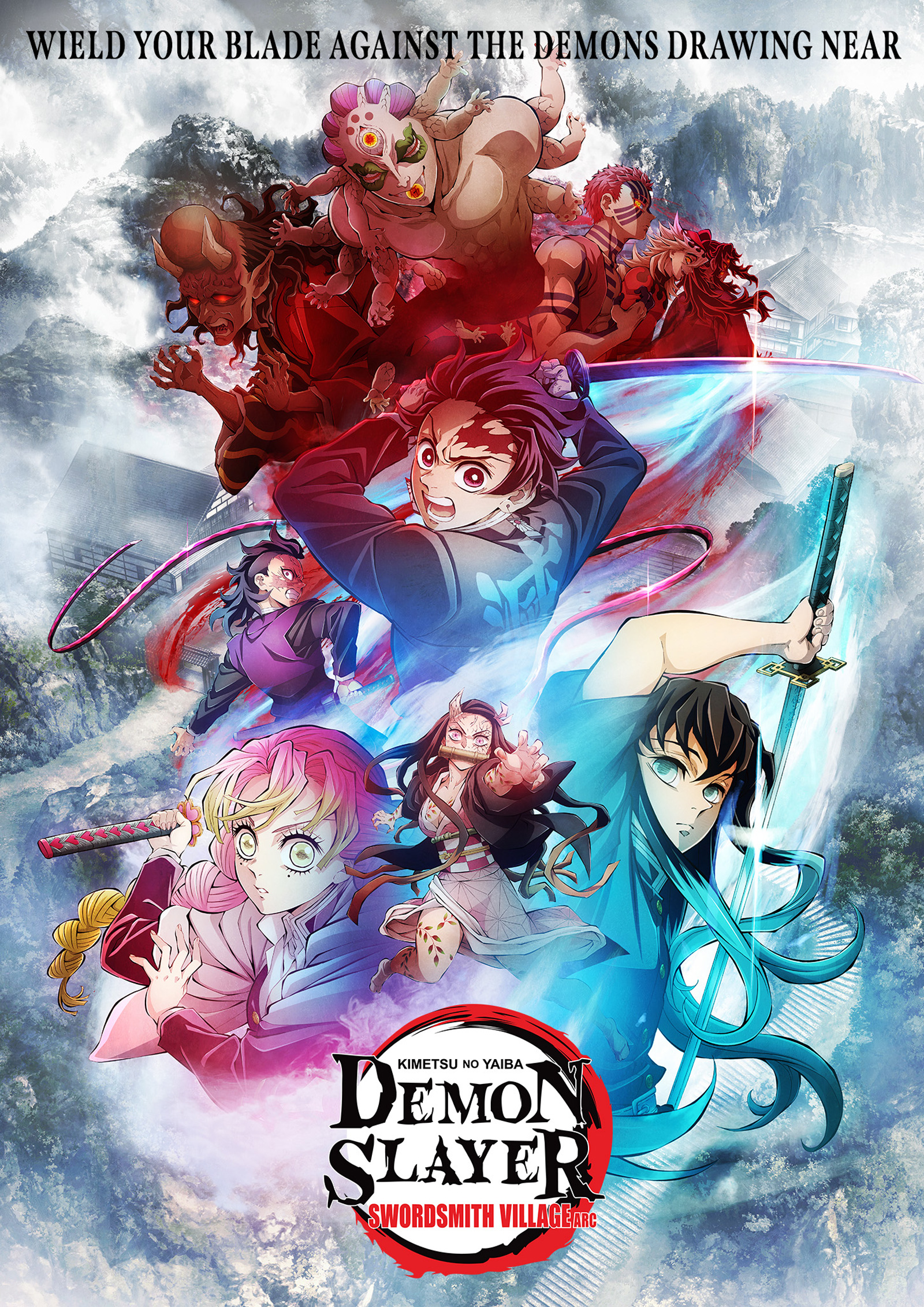
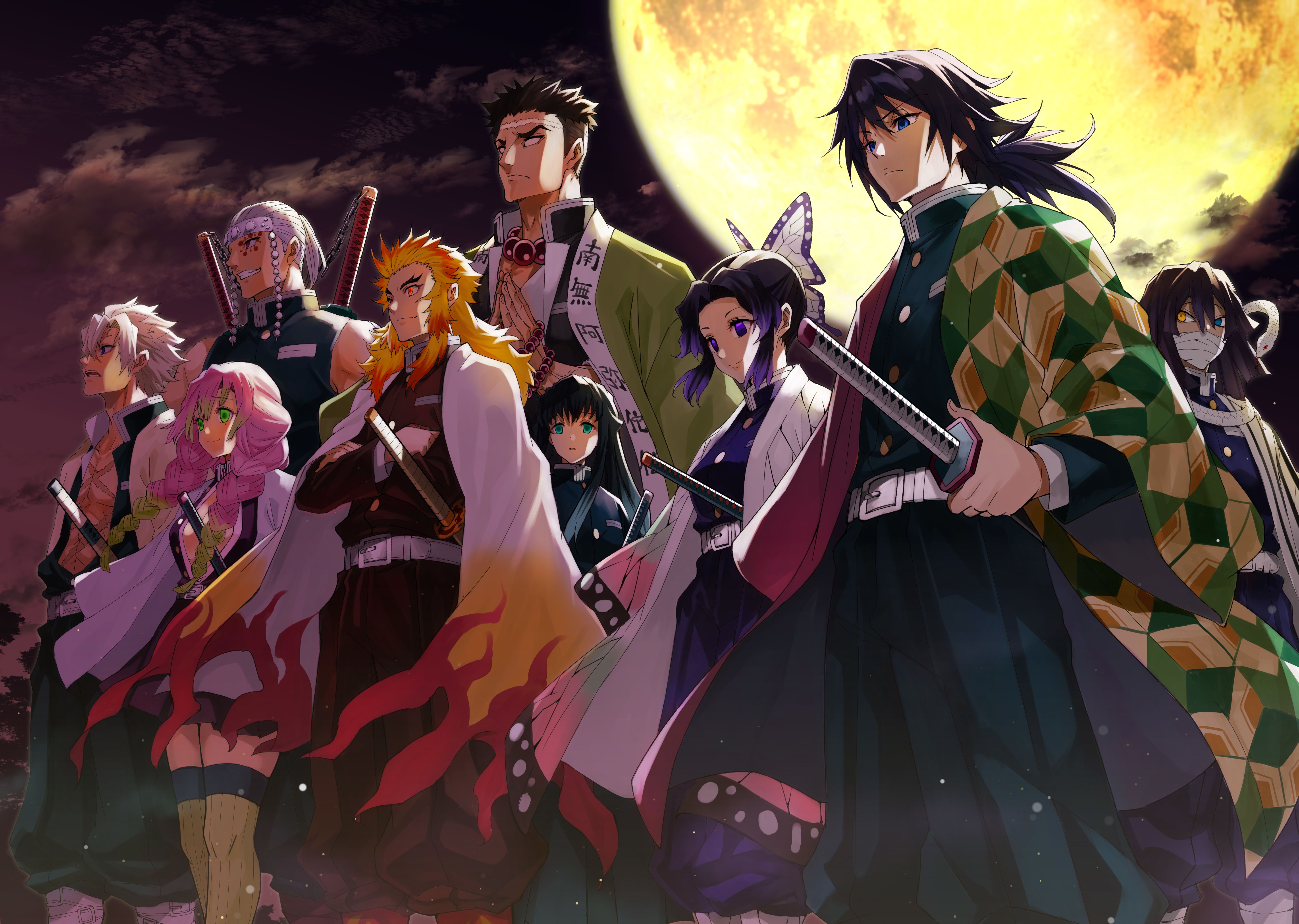

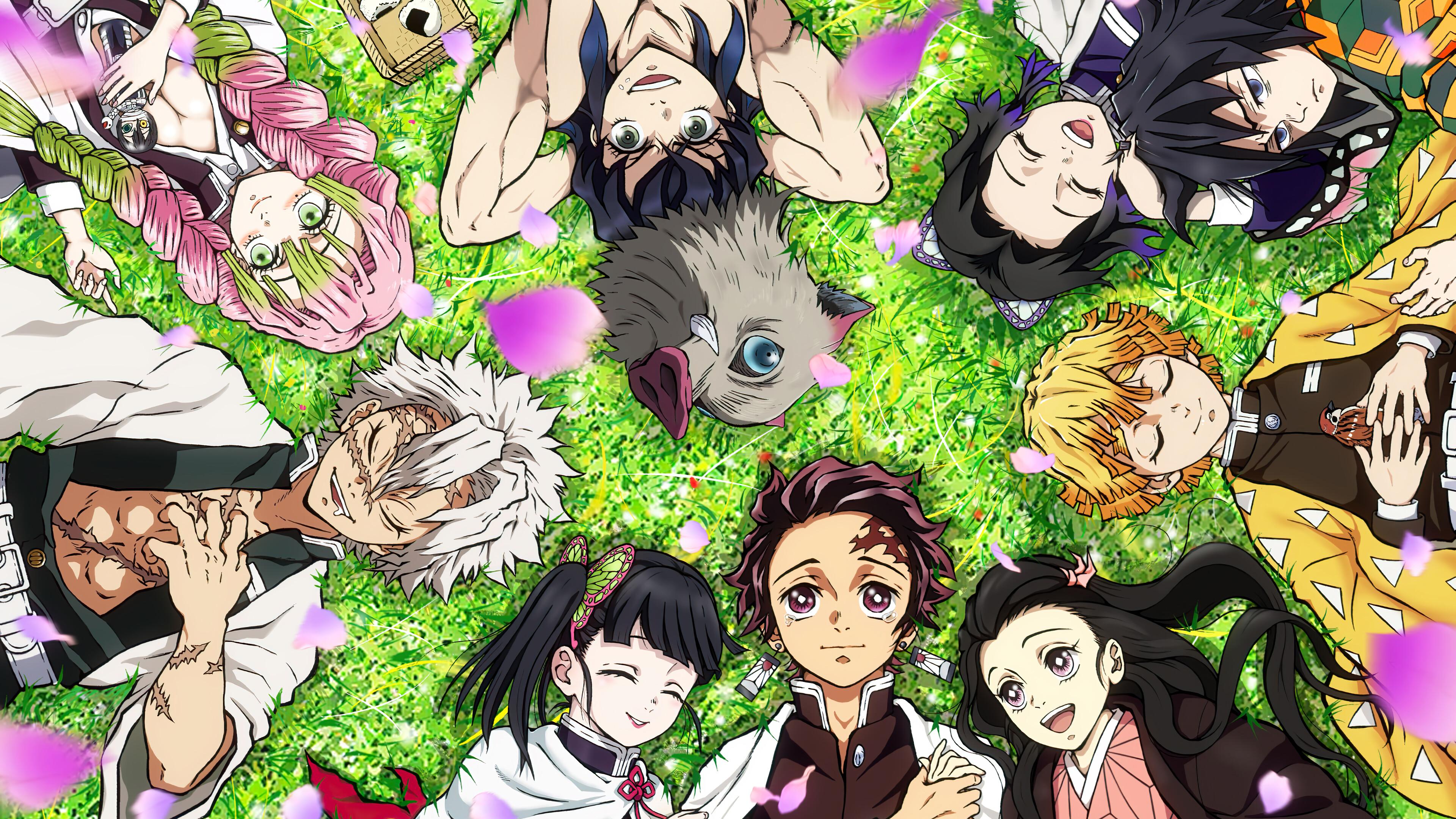
Plantilla PowerPoint de Demon Slayer Kimetsu no Yaiba


Démon slayer invente Artofit

Anime Papercraft Template Demon Slayer
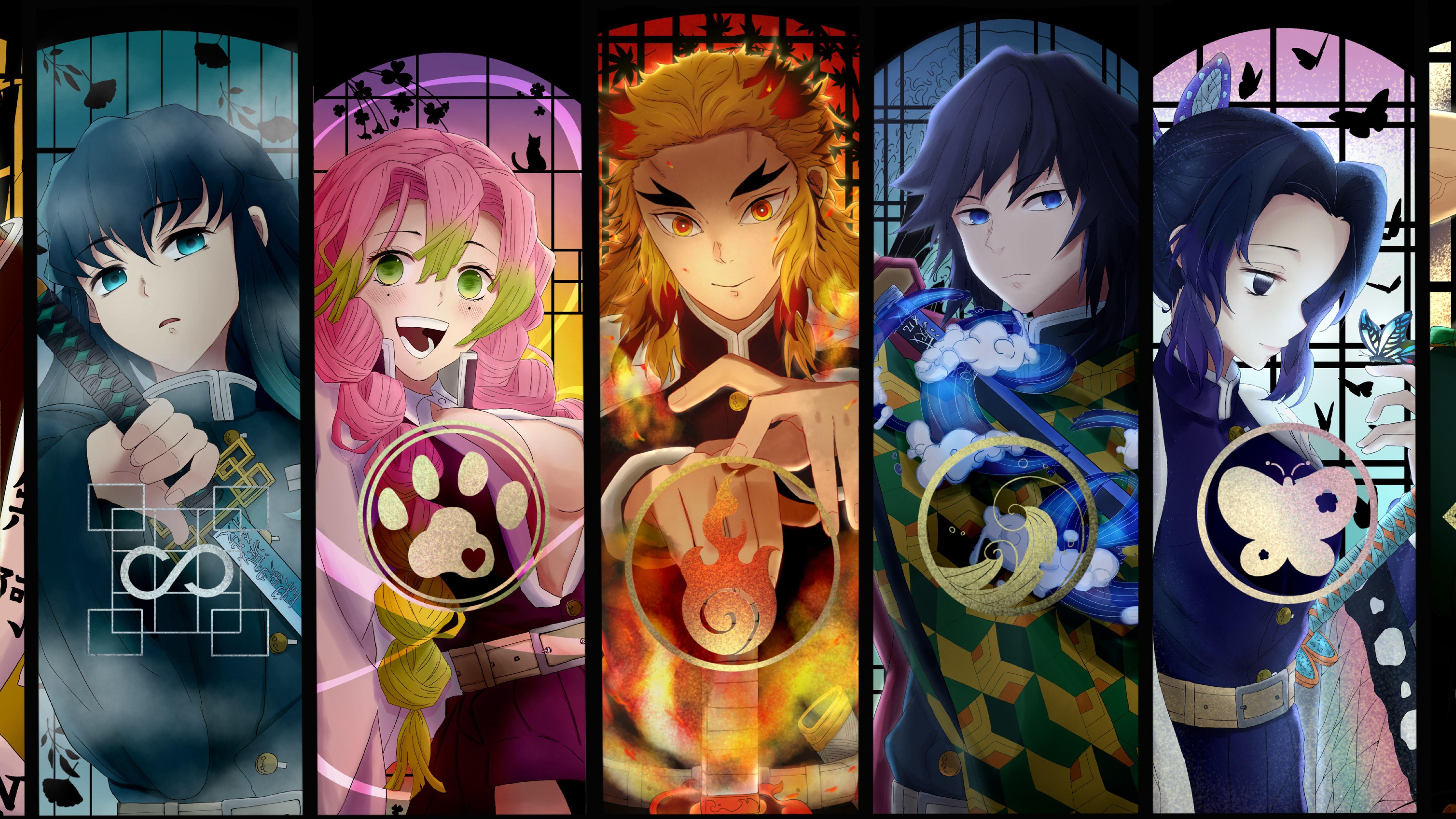

16+ Demon Slayer Birthday Invitation Templates Birthday invitation

Demon Slayer Tanjiro Kamado Papercraft Paperized Crafts Anime

Demon Slayer Papercraft Template

Demon Slayer Ppt Template
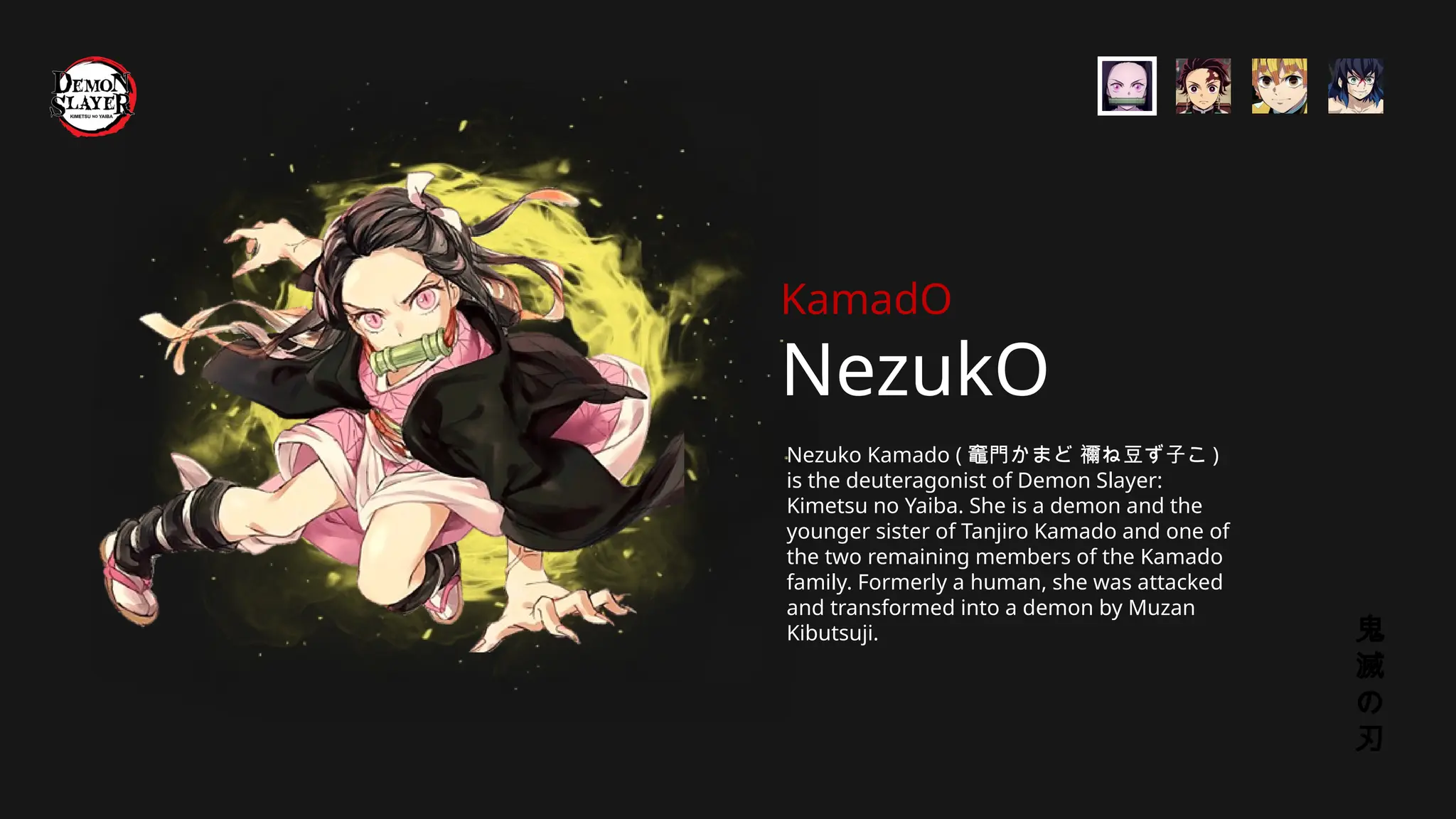
Demon Slayer Anime PowerPoint Template.pptx
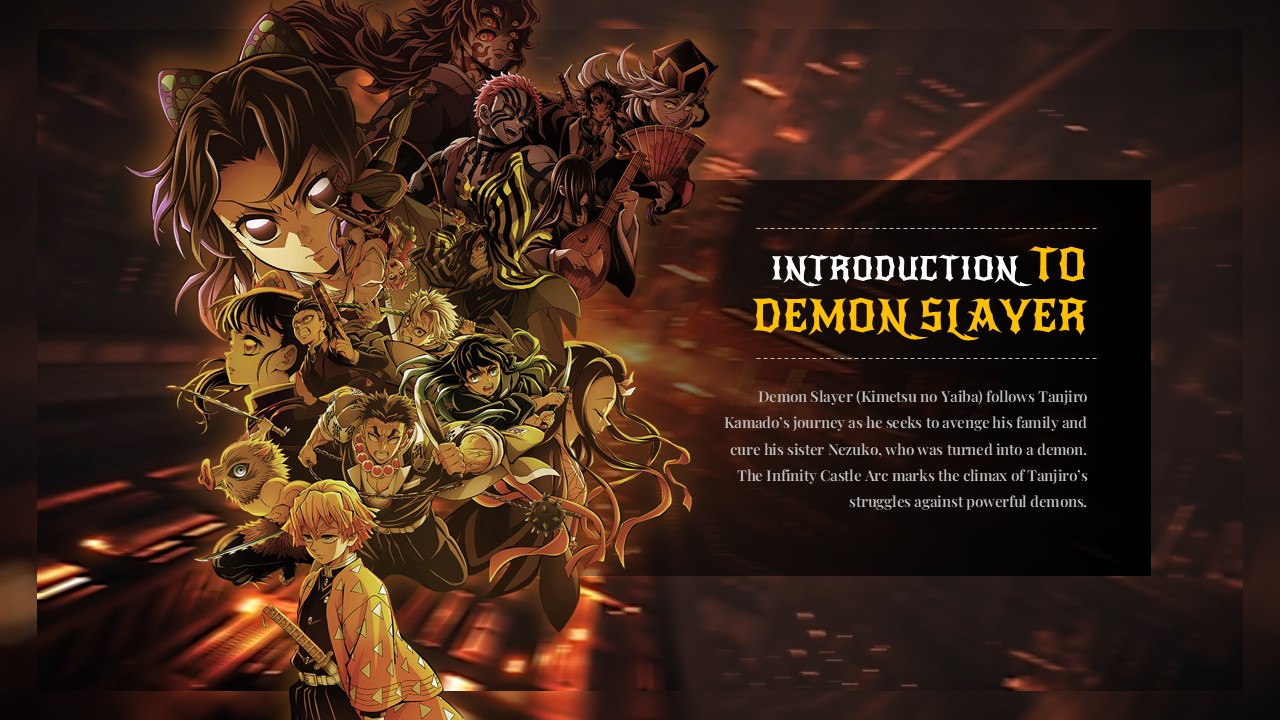
Demon Slayer Kimetsu No Yaiba Movie Template SlideChef

Pin em Demon Slayer Kimetsu No Yaiba paper dolls
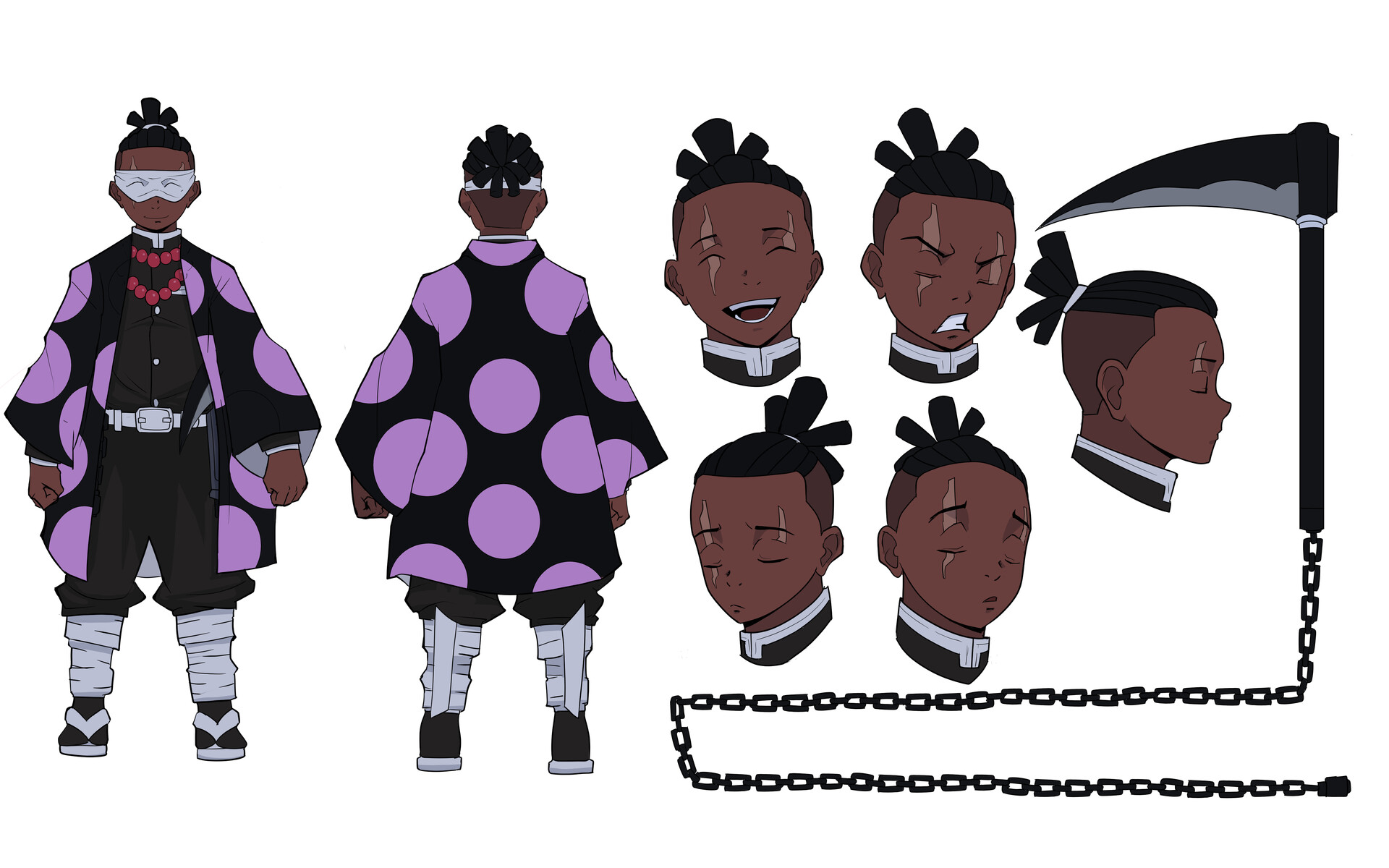
Demon Slayer Character Sheet Printable Templates

Kimetsu No Yaiba (Demon Slayer) powerpoint template Behance

Plantilla PowerPoint de Demon Slayer Kimetsu no Yaiba
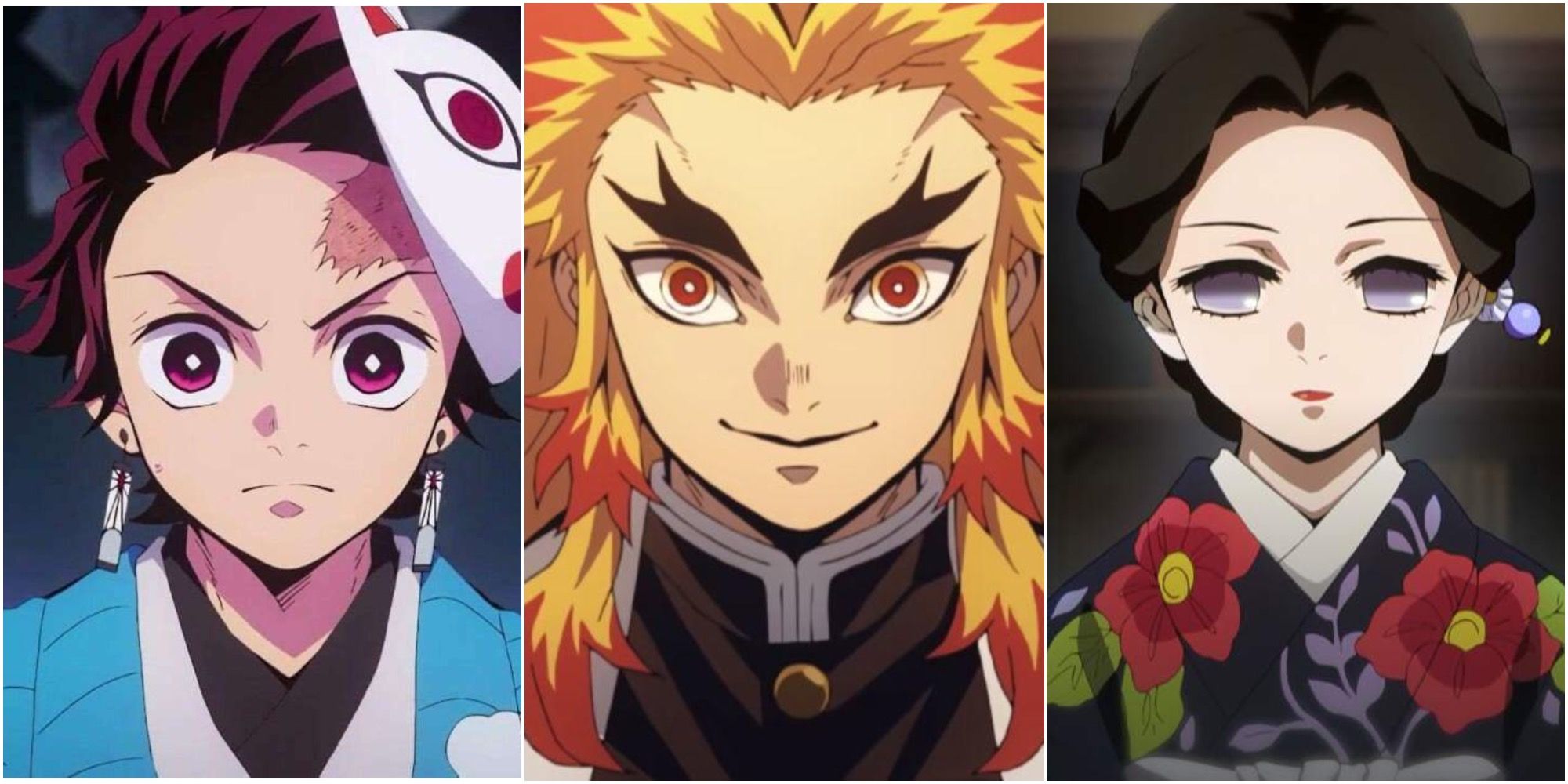
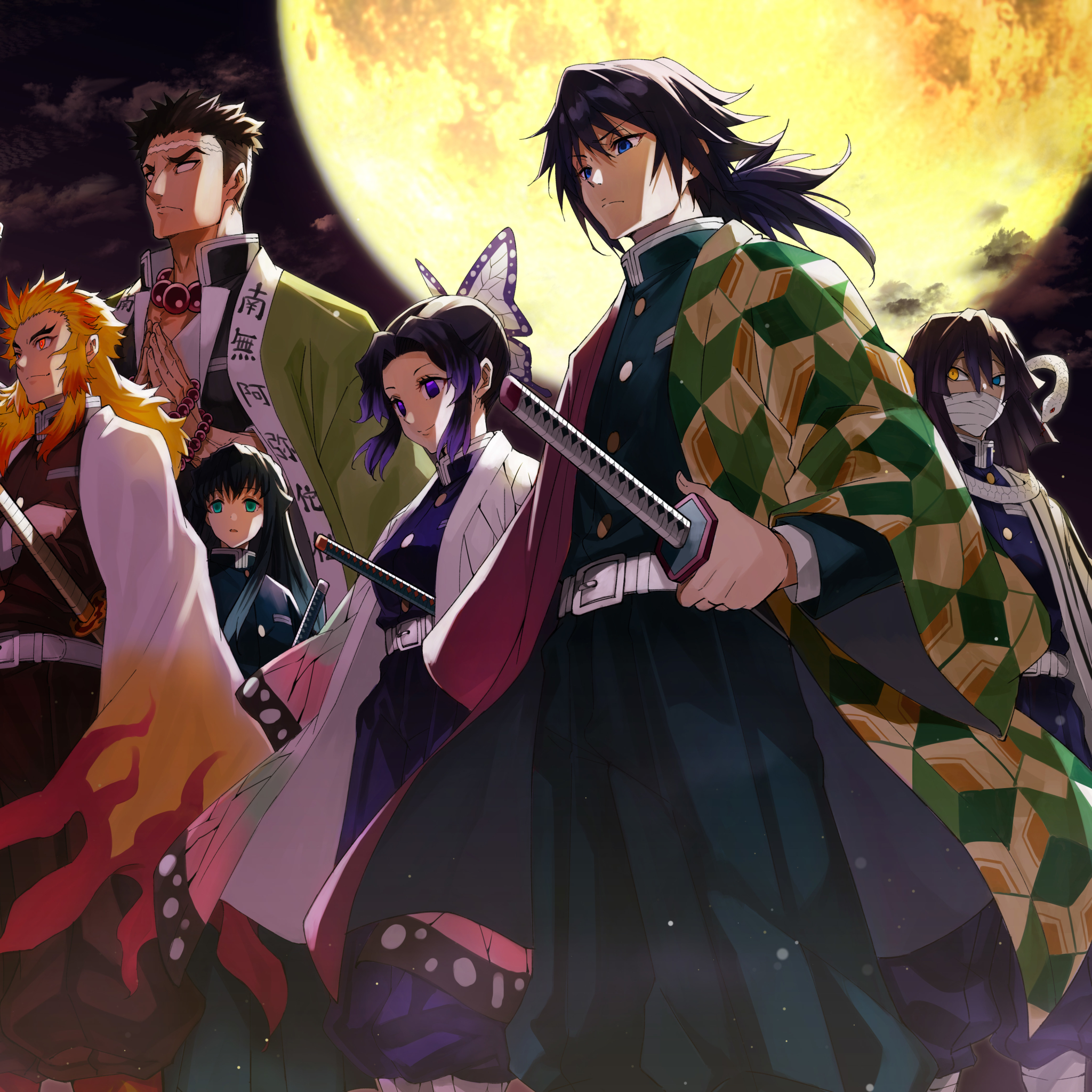


Demon Slayer Paper Dolls Template

Kimetsu No Yaiba (Demon Slayer) powerpoint template Behance

Demon Slayer Templates AT A GLANCE

Demon Slayer Papercraft Template

Printable Demon Slayer Kit Kimetsu No Yaiba Kit +8 Gratis!

Demon Slayer Papercraft Template AT A GLANCE

Demon Slayer Papercraft Template AT A GLANCE

Demon Slayer Templates

Anime Papercraft Template Demon Slayer Printable Word Searches My XXX
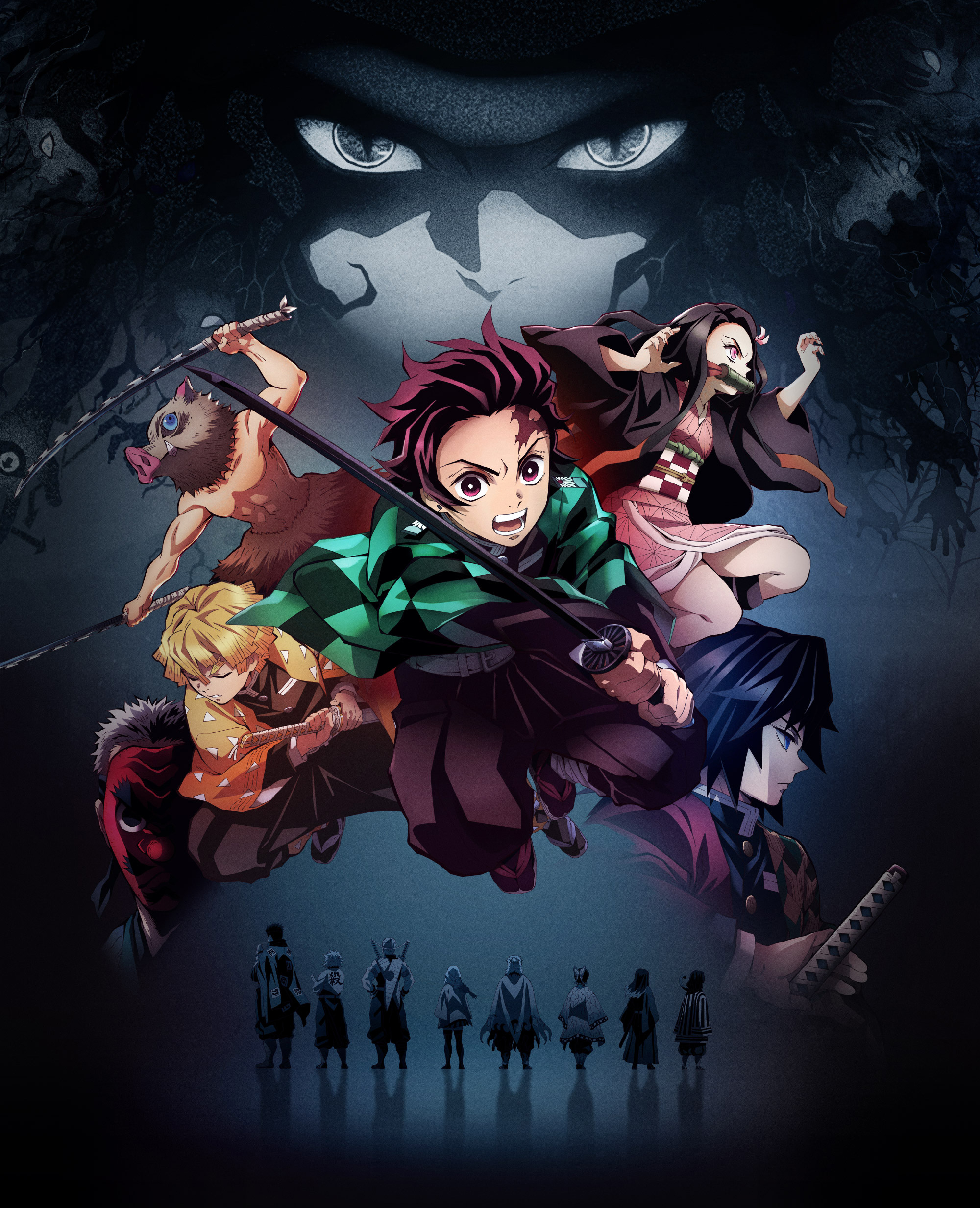
Demon, Respectively, Any Benevolent Or Malevolent Spiritual Being That Mediates Between The Transcendent And Temporal Realms.
A Clear, Culturally Grounded Guide To Names, Origins And Myths Why Is There Such A Timeless Fascination With Demons Across Cultures?
This Definition Is, However, Only Approximate.
Demons, Demonologya Demon Is An Evil Spirit, Or Devil, In The Ordinary English Usage Of The Term.
Related Post: