
Argument Map Template
Argument Map Template - An argument is a reason to support an opinion. There can be a strong argument or a convincing argument (for example, a good reason for why something should be done). An argument is a group of statements that aim to prove a specific point or claim. In academic writing, an argument is usually a main idea, often called a “claim” or “thesis statement,” backed up with evidence that supports the idea. Having an argument involves two or more individuals responding to one another's claim and support for such a claim. Arises from a disagreement between two persons, each of whom advances facts supporting his or her point of view: Philosophers rely heavily on arguments to justify claims, and these practices have been motivating reflections on what arguments and. A disagreement, or the process of disagreeing: A reason or reasons why you support or oppose…. An argument over a debt. How to use argument in a sentence. Philosophers rely heavily on arguments to justify claims, and these practices have been motivating reflections on what arguments and. Having an argument involves two or more individuals responding to one another's claim and support for such a claim. The meaning of argument is the act or process of arguing, reasoning, or discussing :. Having an argument involves two or more individuals responding to one another's claim and support for such a claim. How to use argument in a sentence. There can be a strong argument or a convincing argument (for example, a good reason for why something should be done). An argument is a group of statements that aim to prove a specific. An argument is a group of statements that aim to prove a specific point or claim. How to use argument in a sentence. Arises from a disagreement between two persons, each of whom advances facts supporting his or her point of view: Argument is not simply restating the same claims and reasons, rather it is supporting,. Having an argument involves. Philosophers rely heavily on arguments to justify claims, and these practices have been motivating reflections on what arguments and. A reason or reasons why you support or oppose…. An argument is a group of statements that aim to prove a specific point or claim. Arises from a disagreement between two persons, each of whom advances facts supporting his or her. In academic writing, an argument is usually a main idea, often called a “claim” or “thesis statement,” backed up with evidence that supports the idea. Arises from a disagreement between two persons, each of whom advances facts supporting his or her point of view: A disagreement, or the process of disagreeing: Having an argument involves two or more individuals responding. Argument an argument is one or more premises — sentences, statements, or propositions —directed towards arriving at a logical conclusion. Philosophers rely heavily on arguments to justify claims, and these practices have been motivating reflections on what arguments and. An argument is a disagreement between two or more people, but it can also be a statement backed by evidence, like. The meaning of argument is the act or process of arguing, reasoning, or discussing : An argument is a disagreement between two or more people, but it can also be a statement backed by evidence, like your argument that your school doesn't need a dress code. Argument is a central concept for philosophy. An argument is a reason to support. An argument is a reason to support an opinion. Philosophers rely heavily on arguments to justify claims, and these practices have been motivating reflections on what arguments and. Argument an argument is one or more premises — sentences, statements, or propositions —directed towards arriving at a logical conclusion. In academic writing, an argument is usually a main idea, often called. Argument is not simply restating the same claims and reasons, rather it is supporting,. A disagreement, or the process of disagreeing: A good argument gives reasons and evidence to show if a claim is true or false. In academic writing, an argument is usually a main idea, often called a “claim” or “thesis statement,” backed up with evidence that supports. In academic writing, an argument is usually a main idea, often called a “claim” or “thesis statement,” backed up with evidence that supports the idea. Argument is not simply restating the same claims and reasons, rather it is supporting,. Having an argument involves two or more individuals responding to one another's claim and support for such a claim. [1] the. An argument over a debt. Argument is a central concept for philosophy. A reason or reasons why you support or oppose…. In academic writing, an argument is usually a main idea, often called a “claim” or “thesis statement,” backed up with evidence that supports the idea. Argument an argument is one or more premises — sentences, statements, or propositions —directed. Argument is not simply restating the same claims and reasons, rather it is supporting,. A disagreement, or the process of disagreeing: The meaning of argument is the act or process of arguing, reasoning, or discussing : Philosophers rely heavily on arguments to justify claims, and these practices have been motivating reflections on what arguments and. An argument is a group. An argument over a debt. [1] the purpose of an argument is to give reasons for one's. A disagreement, or the process of disagreeing: Having an argument involves two or more individuals responding to one another's claim and support for such a claim. A reason or reasons why you support or oppose…. An argument over a debt. Argument is not simply restating the same claims and reasons, rather it is supporting,. An argument is a reason to support an opinion. Argument is a central concept for philosophy. A disagreement, or the process of disagreeing: Argument is a central concept for philosophy. An argument is a group of statements that aim to prove a specific point or claim. [1] the purpose of an argument is to give reasons for one's. Argument an argument is one or more premises — sentences, statements, or propositions —directed towards arriving at a logical conclusion. How to use argument in. Philosophers rely heavily on arguments to justify claims, and these practices have been motivating reflections on what arguments and. The meaning of argument is the act or process of arguing, reasoning, or discussing : There can be a strong argument or a convincing argument (for example, a good reason for why something should be done). A disagreement, or the process. Argument is a central concept for philosophy. Having an argument involves two or more individuals responding to one another's claim and support for such a claim. Argument is not simply restating the same claims and reasons, rather it is supporting,. [1] the purpose of an argument is to give reasons for one's. In academic writing, an argument is usually a. Argument is a central concept for philosophy. [1] the purpose of an argument is to give reasons for one's. In academic writing, an argument is usually a main idea, often called a “claim” or “thesis statement,” backed up with evidence that supports the idea. There can be a strong argument or a convincing argument (for example, a good reason for. Argument is a central concept for philosophy. In academic writing, an argument is usually a main idea, often called a “claim” or “thesis statement,” backed up with evidence that supports the idea. Arises from a disagreement between two persons, each of whom advances facts supporting his or her point of view: Argument is not simply restating the same claims and. An argument is a reason to support an opinion. An argument is a group of statements that aim to prove a specific point or claim. A good argument gives reasons and evidence to show if a claim is true or false. A disagreement, or the process of disagreeing: There can be a strong argument or a convincing argument (for example,. Argument an argument is one or more premises — sentences, statements, or propositions —directed towards arriving at a logical conclusion. An argument is a group of statements that aim to prove a specific point or claim. Argument is not simply restating the same claims and reasons, rather it is supporting,. Arises from a disagreement between two persons, each of whom. An argument is a group of statements that aim to prove a specific point or claim. Argument is a central concept for philosophy. A good argument gives reasons and evidence to show if a claim is true or false. A reason or reasons why you support or oppose…. The meaning of argument is the act or process of arguing, reasoning,. Argument an argument is one or more premises — sentences, statements, or propositions —directed towards arriving at a logical conclusion. A disagreement, or the process of disagreeing: Having an argument involves two or more individuals responding to one another's claim and support for such a claim. An argument is a disagreement between two or more people, but it can also. An argument is a reason to support an opinion. Having an argument involves two or more individuals responding to one another's claim and support for such a claim. An argument is a disagreement between two or more people, but it can also be a statement backed by evidence, like your argument that your school doesn't need a dress code. There. There can be a strong argument or a convincing argument (for example, a good reason for why something should be done). A good argument gives reasons and evidence to show if a claim is true or false. Argument an argument is one or more premises — sentences, statements, or propositions —directed towards arriving at a logical conclusion. [1] the purpose. An argument is a reason to support an opinion. An argument is a group of statements that aim to prove a specific point or claim. Argument an argument is one or more premises — sentences, statements, or propositions —directed towards arriving at a logical conclusion. A disagreement, or the process of disagreeing: Philosophers rely heavily on arguments to justify claims,. An argument is a reason to support an opinion. In academic writing, an argument is usually a main idea, often called a “claim” or “thesis statement,” backed up with evidence that supports the idea. A reason or reasons why you support or oppose…. Arises from a disagreement between two persons, each of whom advances facts supporting his or her point. Philosophers rely heavily on arguments to justify claims, and these practices have been motivating reflections on what arguments and. An argument is a group of statements that aim to prove a specific point or claim. Arises from a disagreement between two persons, each of whom advances facts supporting his or her point of view: [1] the purpose of an argument. There can be a strong argument or a convincing argument (for example, a good reason for why something should be done). Philosophers rely heavily on arguments to justify claims, and these practices have been motivating reflections on what arguments and. Argument an argument is one or more premises — sentences, statements, or propositions —directed towards arriving at a logical conclusion.. An argument over a debt. In academic writing, an argument is usually a main idea, often called a “claim” or “thesis statement,” backed up with evidence that supports the idea. A disagreement, or the process of disagreeing: [1] the purpose of an argument is to give reasons for one's. How to use argument in a sentence. Having an argument involves two or more individuals responding to one another's claim and support for such a claim. An argument is a reason to support an opinion. In academic writing, an argument is usually a main idea, often called a “claim” or “thesis statement,” backed up with evidence that supports the idea. Argument an argument is one or more. Argument an argument is one or more premises — sentences, statements, or propositions —directed towards arriving at a logical conclusion. Argument is not simply restating the same claims and reasons, rather it is supporting,. An argument over a debt. How to use argument in a sentence. Having an argument involves two or more individuals responding to one another's claim and. Argument is not simply restating the same claims and reasons, rather it is supporting,. Argument an argument is one or more premises — sentences, statements, or propositions —directed towards arriving at a logical conclusion. Argument is a central concept for philosophy. How to use argument in a sentence. Having an argument involves two or more individuals responding to one another's. In academic writing, an argument is usually a main idea, often called a “claim” or “thesis statement,” backed up with evidence that supports the idea. An argument is a disagreement between two or more people, but it can also be a statement backed by evidence, like your argument that your school doesn't need a dress code. A good argument gives. An argument is a disagreement between two or more people, but it can also be a statement backed by evidence, like your argument that your school doesn't need a dress code. Having an argument involves two or more individuals responding to one another's claim and support for such a claim. Philosophers rely heavily on arguments to justify claims, and these. Argument is not simply restating the same claims and reasons, rather it is supporting,. How to use argument in a sentence. A disagreement, or the process of disagreeing: A reason or reasons why you support or oppose…. Arises from a disagreement between two persons, each of whom advances facts supporting his or her point of view: [1] the purpose of an argument is to give reasons for one's. In academic writing, an argument is usually a main idea, often called a “claim” or “thesis statement,” backed up with evidence that supports the idea. Philosophers rely heavily on arguments to justify claims, and these practices have been motivating reflections on what arguments and. A good argument gives reasons and evidence to show if a claim is true or false. An argument over a debt. The meaning of argument is the act or process of arguing, reasoning, or discussing : An argument is a group of statements that aim to prove a specific point or claim. An argument is a reason to support an opinion. There can be a strong argument or a convincing argument (for example, a good reason for why something should be done).
Argument Map Template
Argument Map created with CompendiumOutline View and Reported Speech
Argument Mapping Free Template FigJam
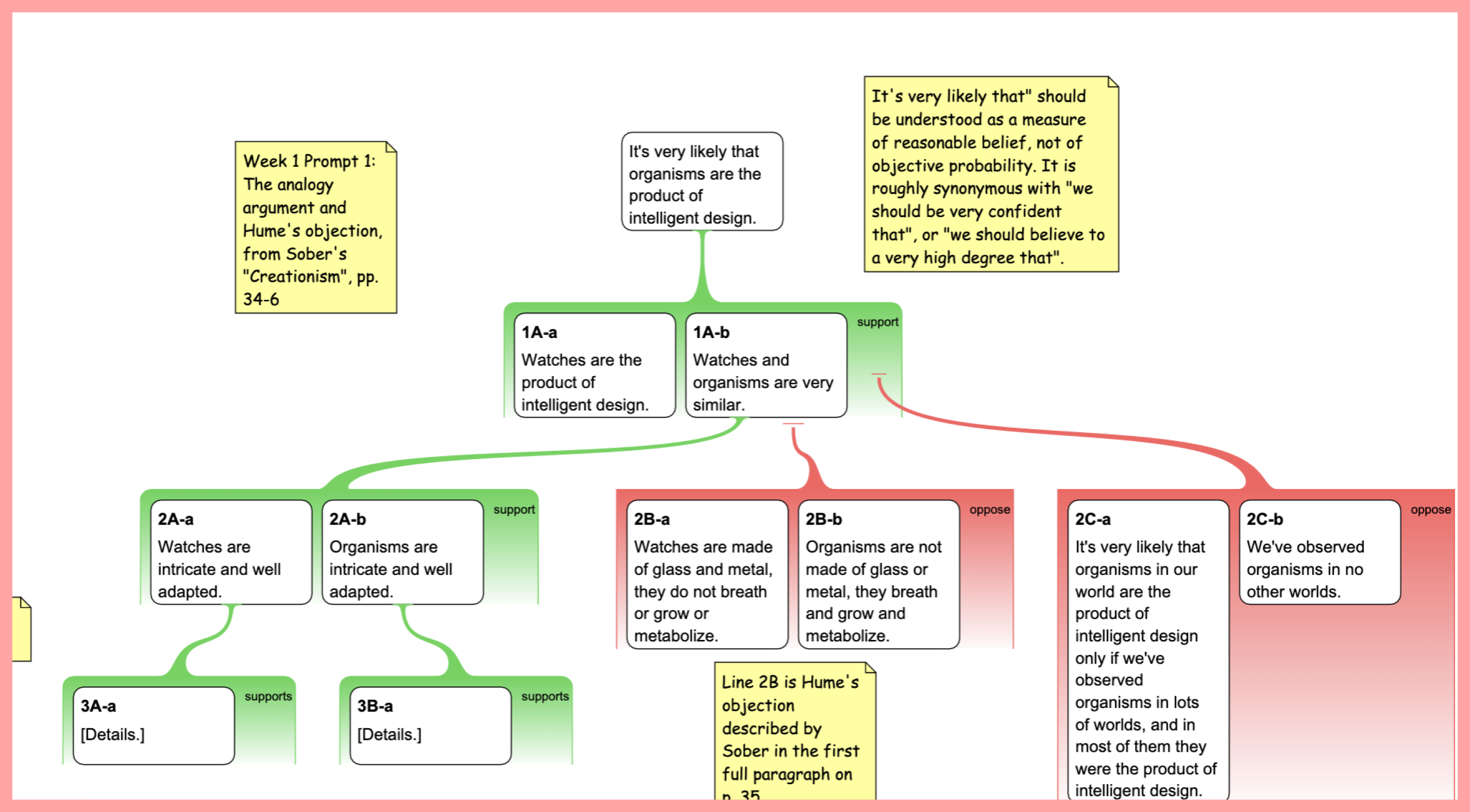
Argument Map Template
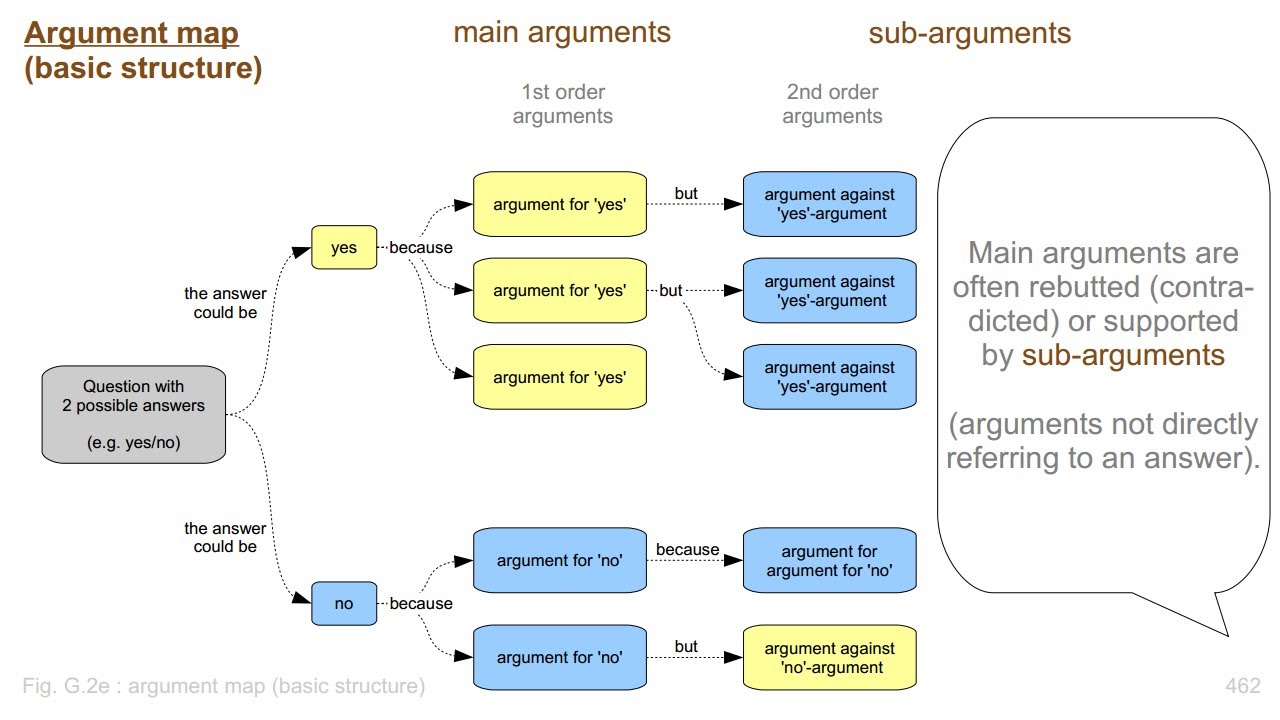
Argument Mapping Template
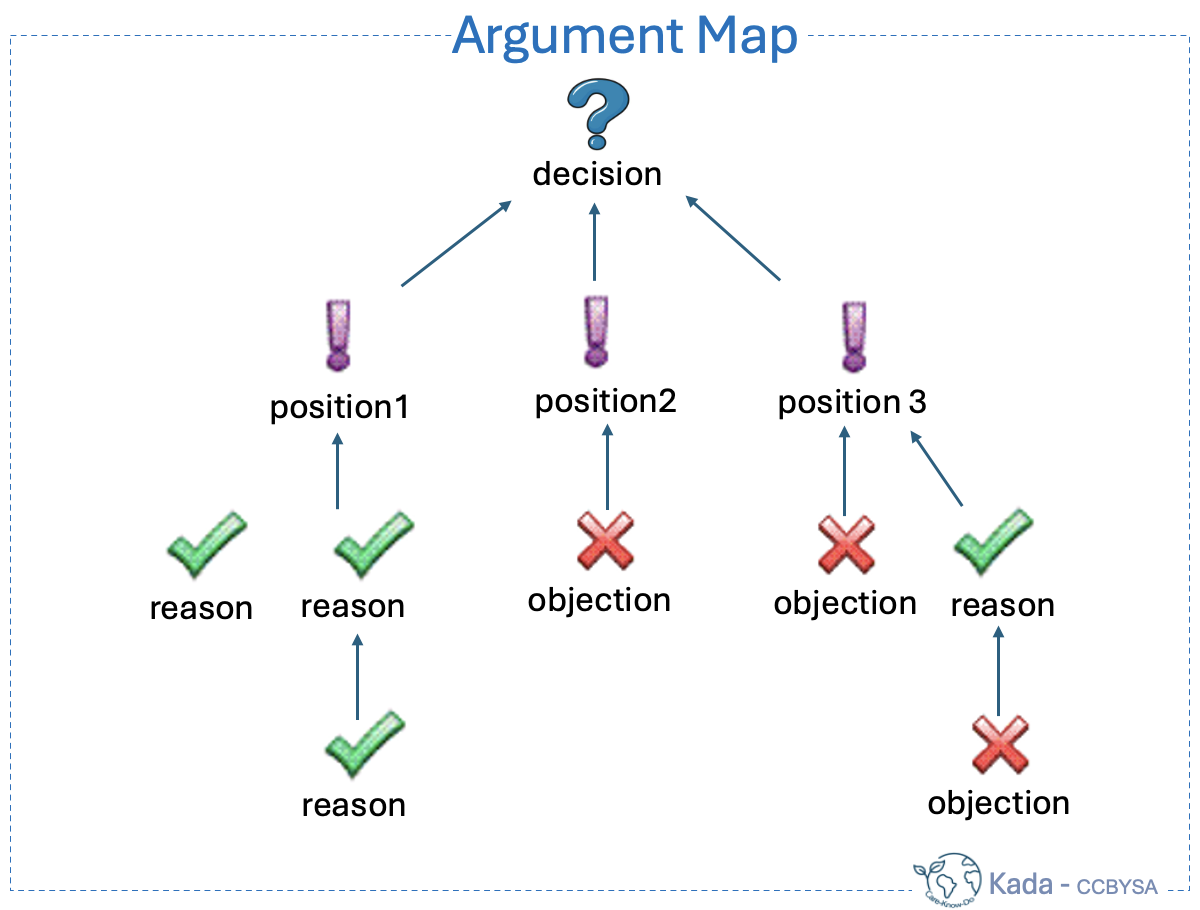
A4 argument map Knowledge Cartography

Argument Mapping Free Template FigJam

Argument Map Template

Argument Map Template

Argument mapping in academic writing MW Editing

Argument Map Template (PHI 1103) Figma
Argument map template Mind Map

Argument Map Argument Mapping With Word SmartArt Tim Van Gelder
Argument Mapping Free Template FigJam
Argument Mapping Free Template FigJam

Argument Mapping Free Template FigJam

Argument Mapping Free Template FigJam

What is an Argument Map used for? Free Template
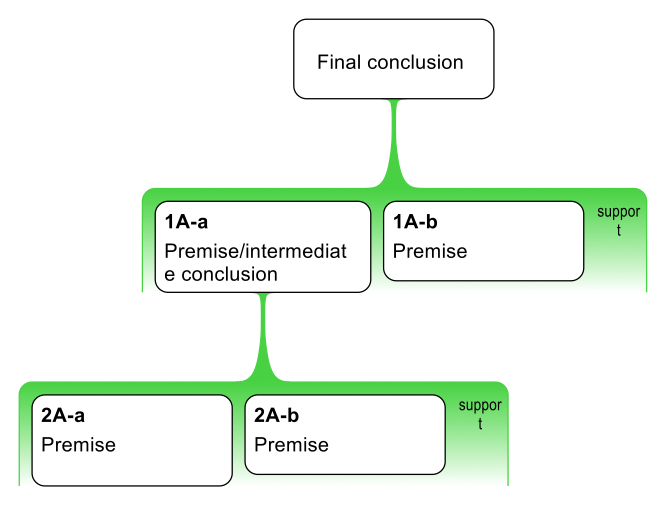
Teach Kids About Logical Arguments + Argument Maps
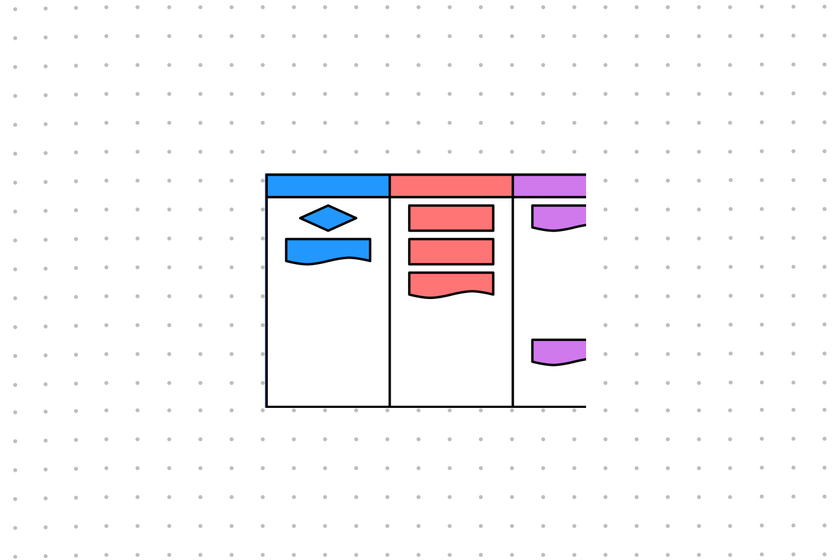
Argument Mapping Free Template FigJam
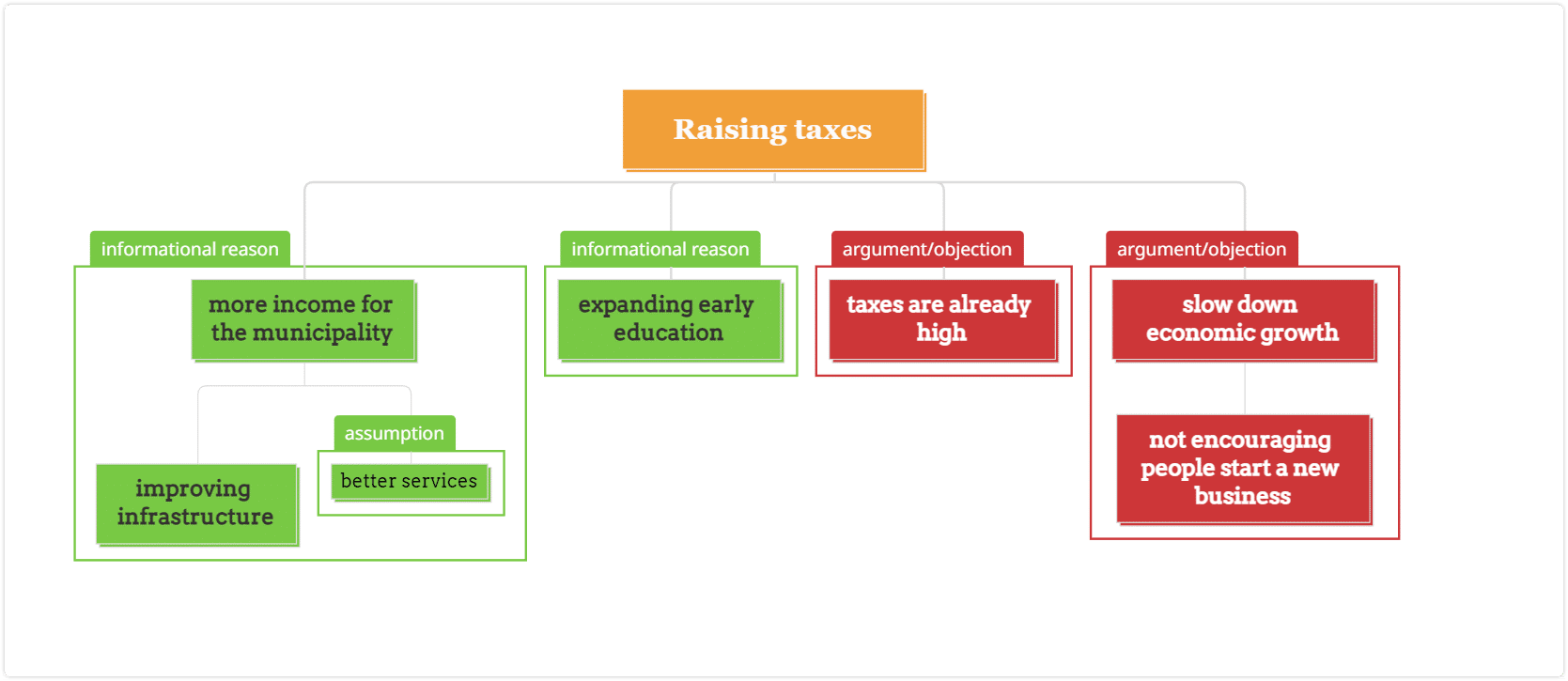
What is an Argument Map used for? Free Template
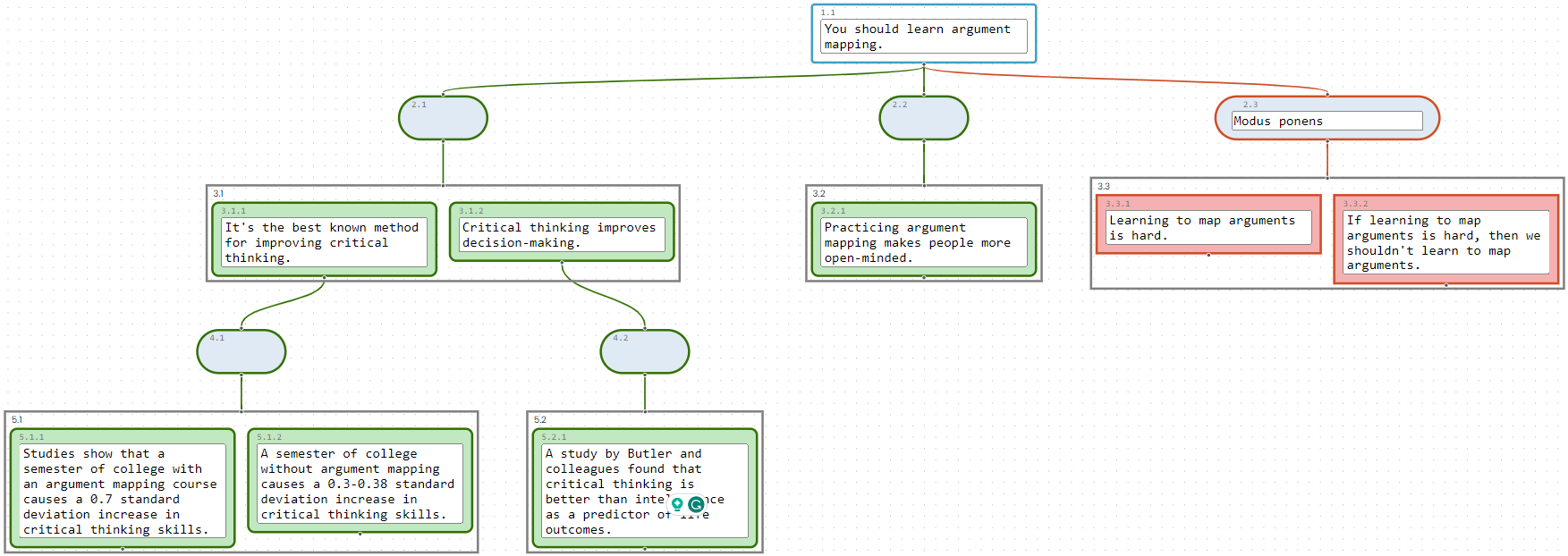
Argument Map Argument Mapping With Word SmartArt Tim Van Gelder
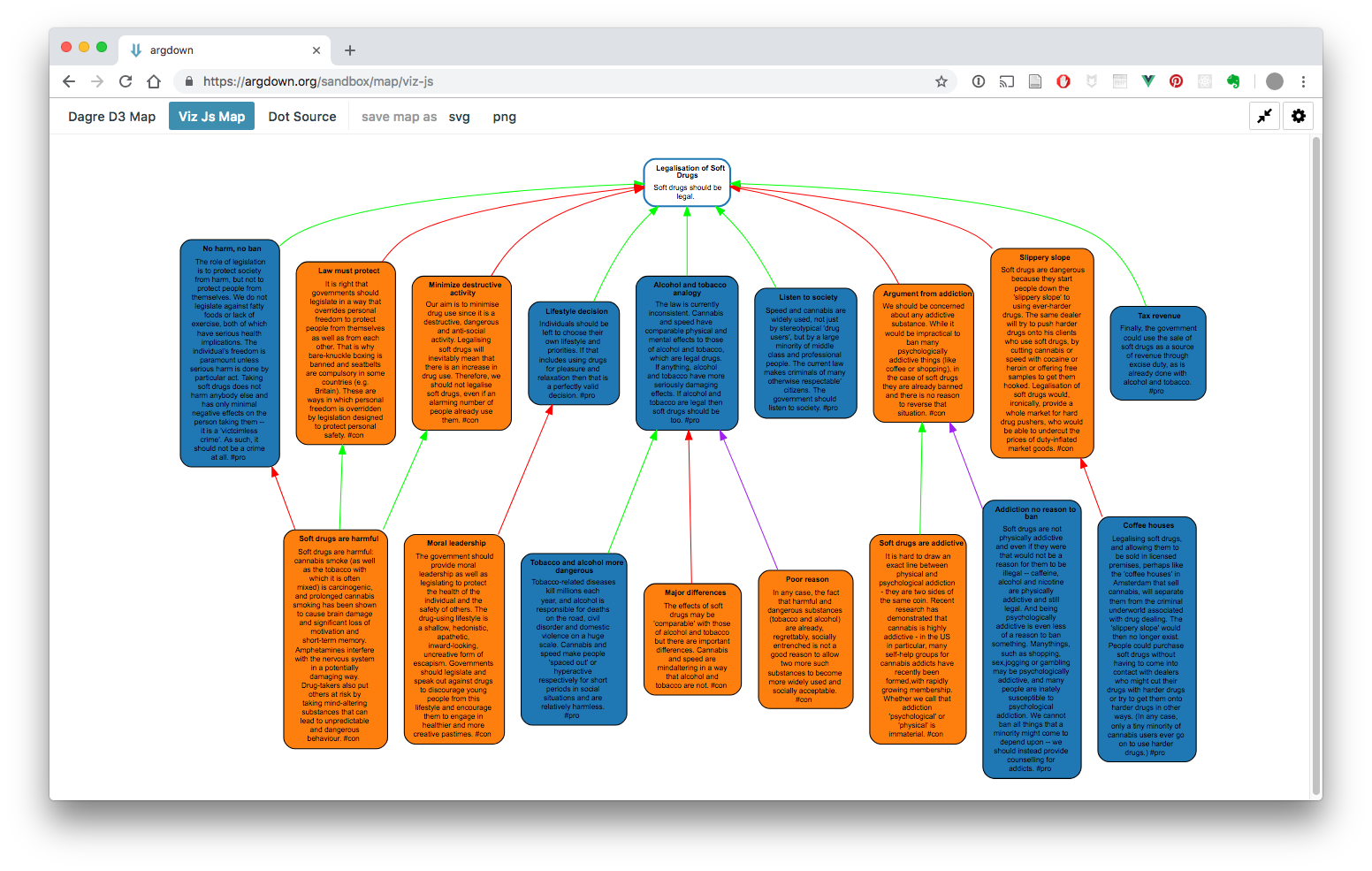
Argument Map Argument Mapping With Word SmartArt Tim Van Gelder
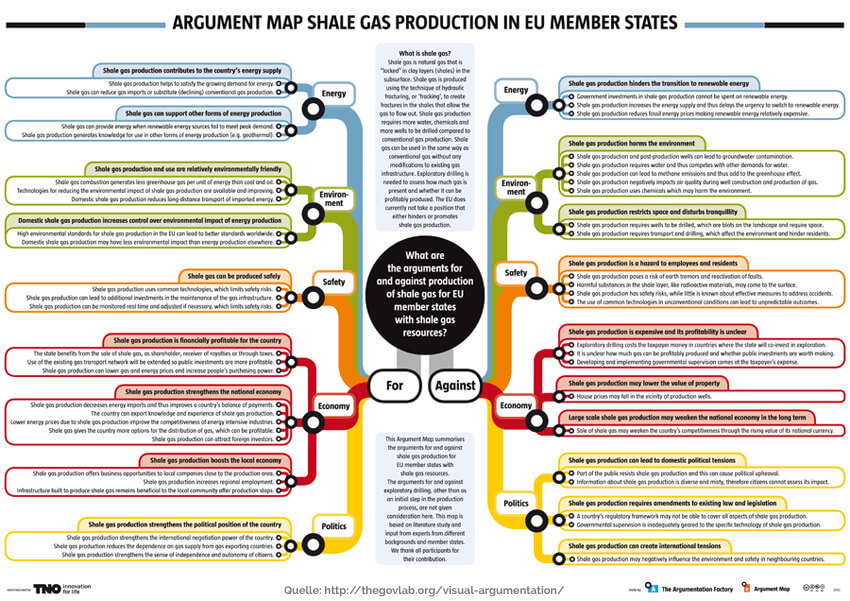
Argument Map Argument Mapping With Word SmartArt Tim Van Gelder
Argument Mapping Free Template FigJam
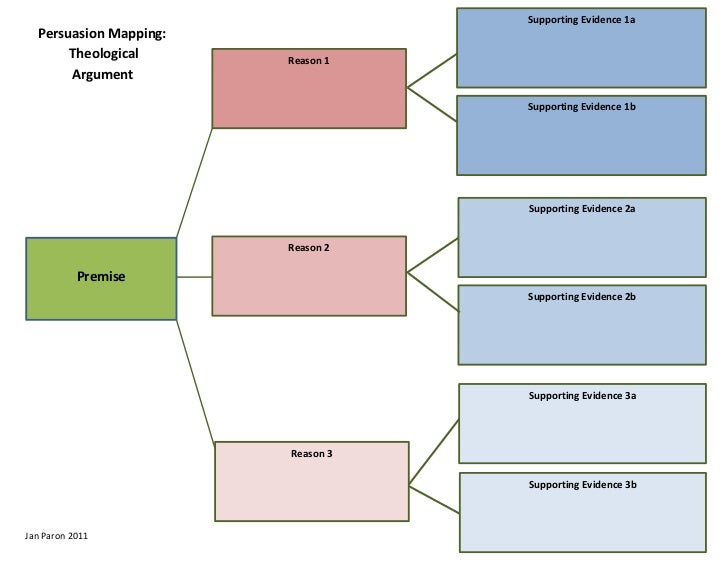
Argument Mapping Template
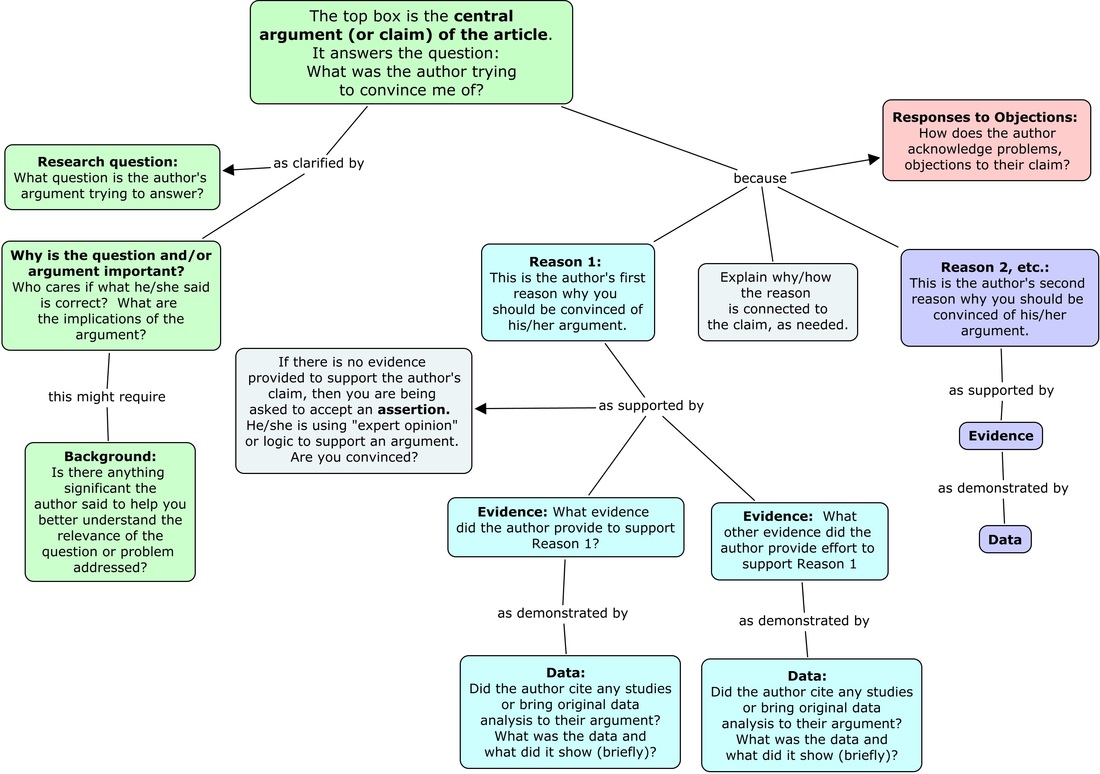
Argument Mapping Template
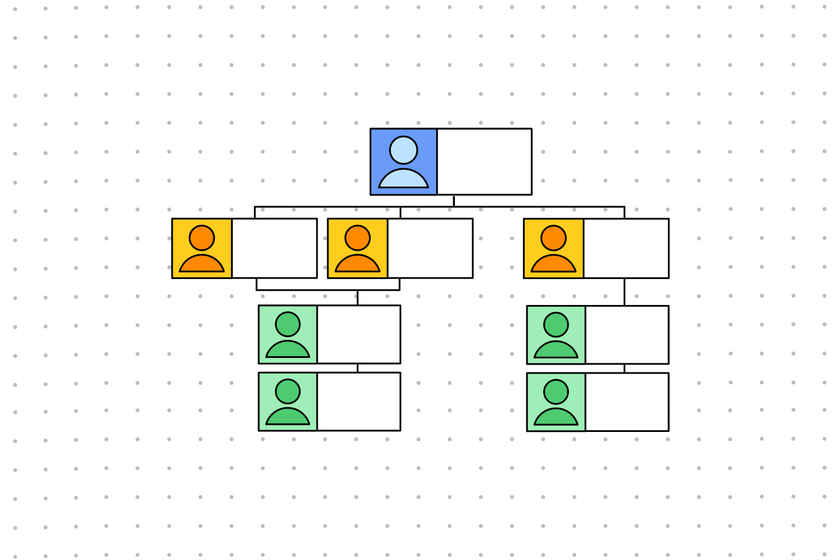
Argument Mapping Free Template FigJam
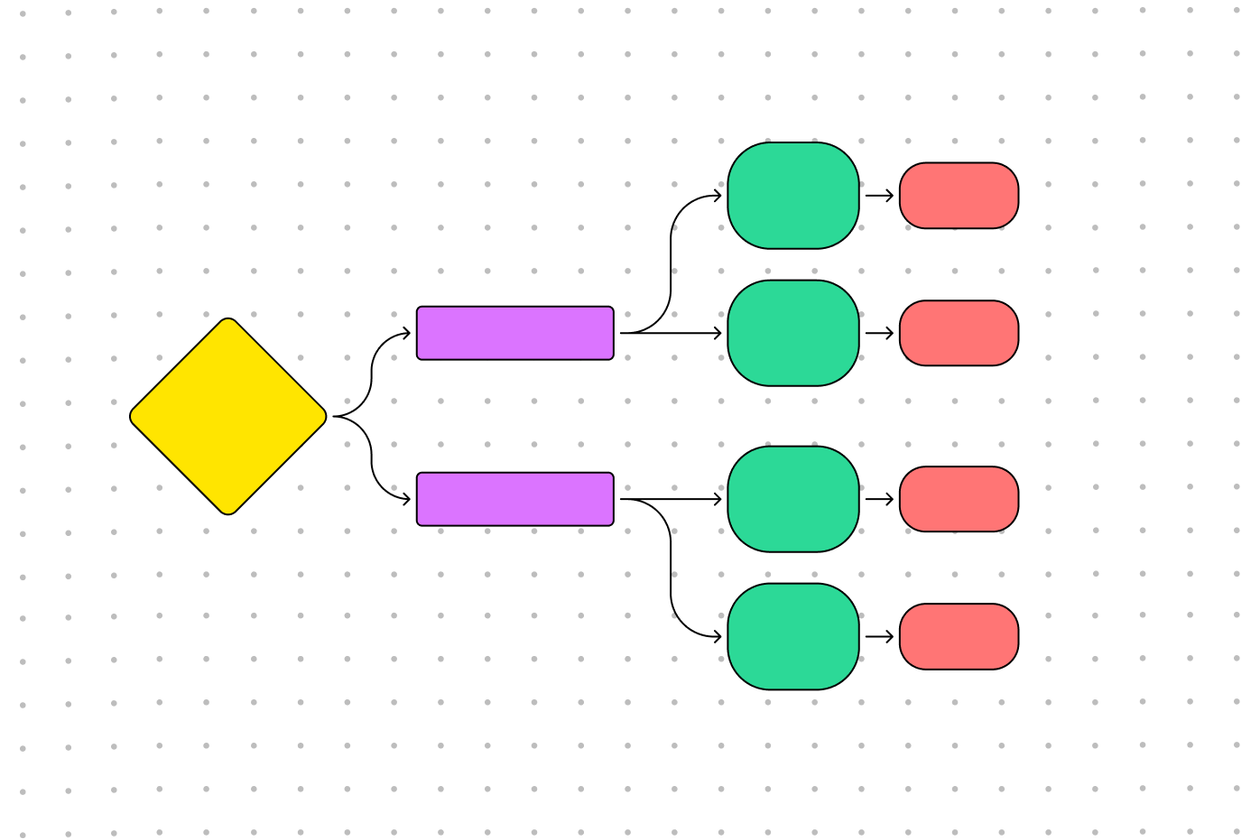
Argument Mapping Free Template FigJam
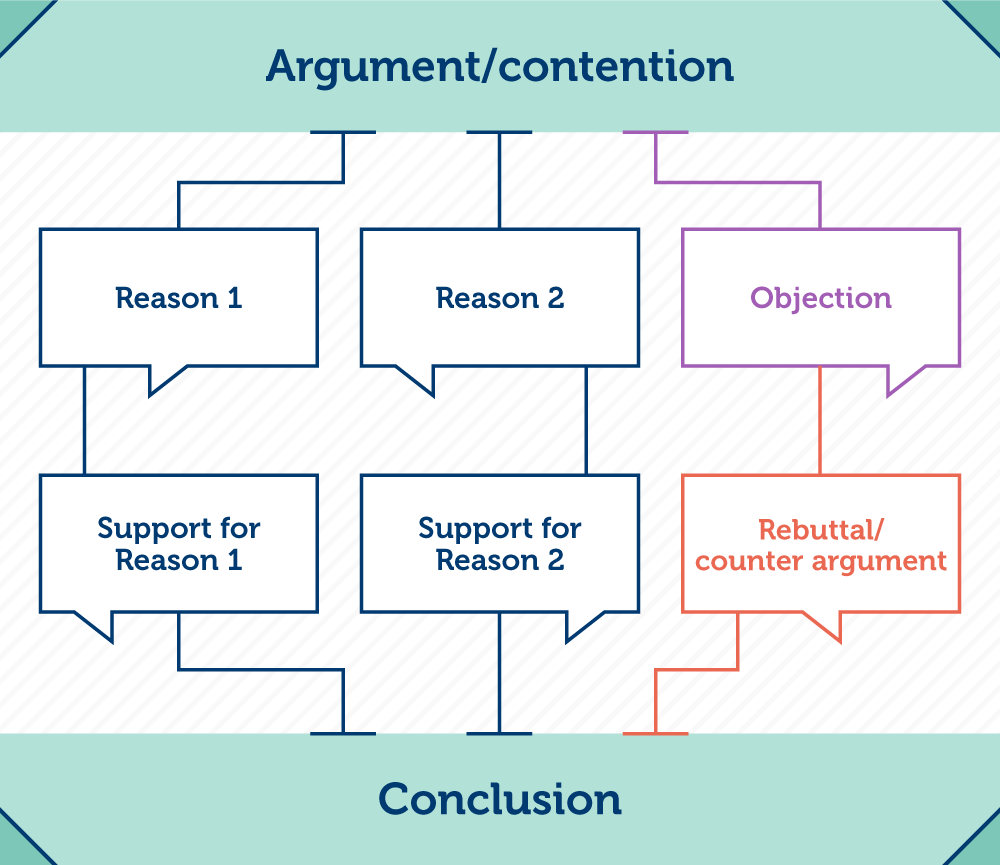
Argument Mapping A Visual Way to Prove Your Point Teaching Channel
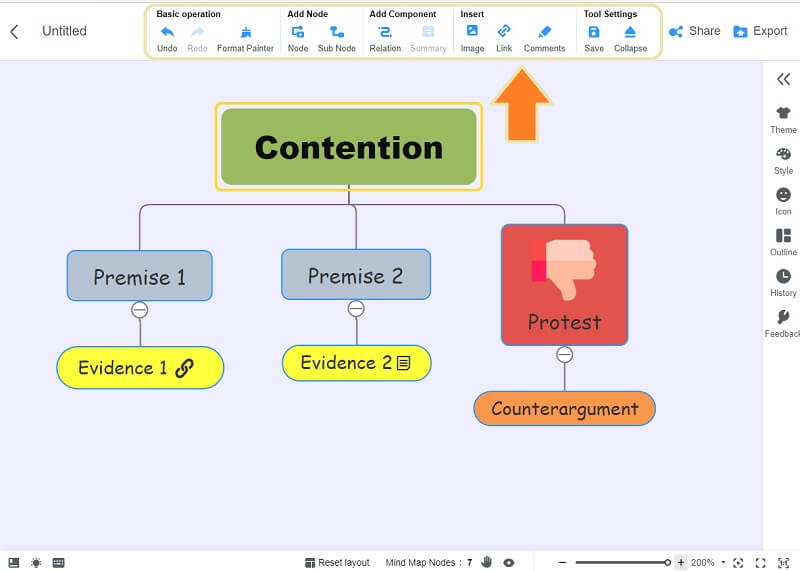
What is Argument Mapping Understand Why is it Unique
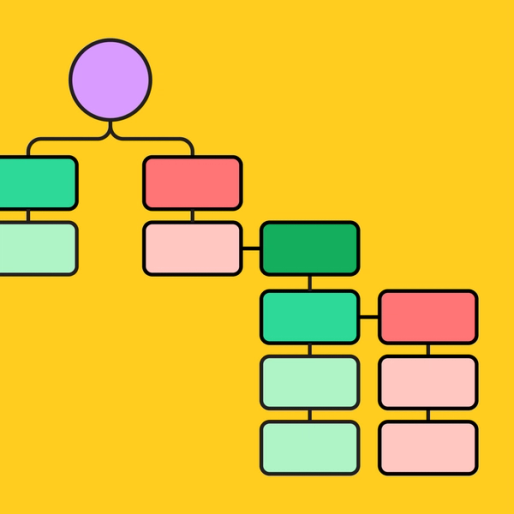
Argument Mapping Free Template FigJam
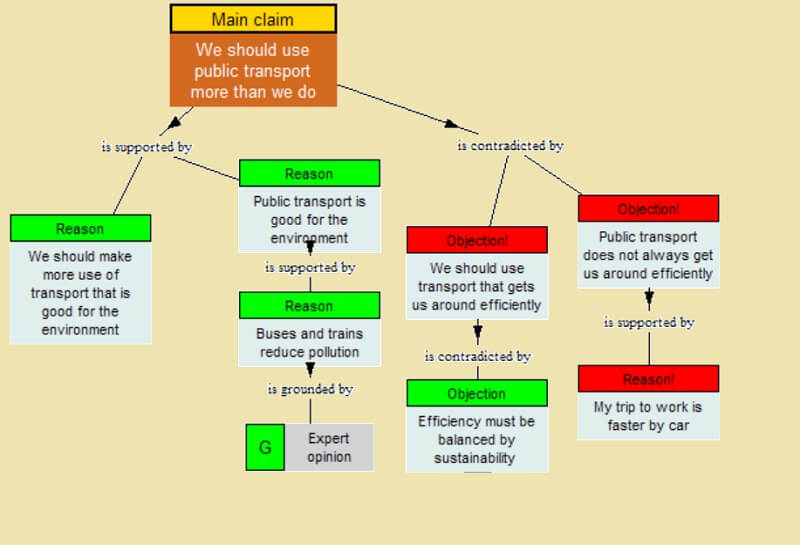
What is Argument Mapping Understand Why is it Unique

Argument Map Argument Mapping With Word SmartArt Tim Van Gelder
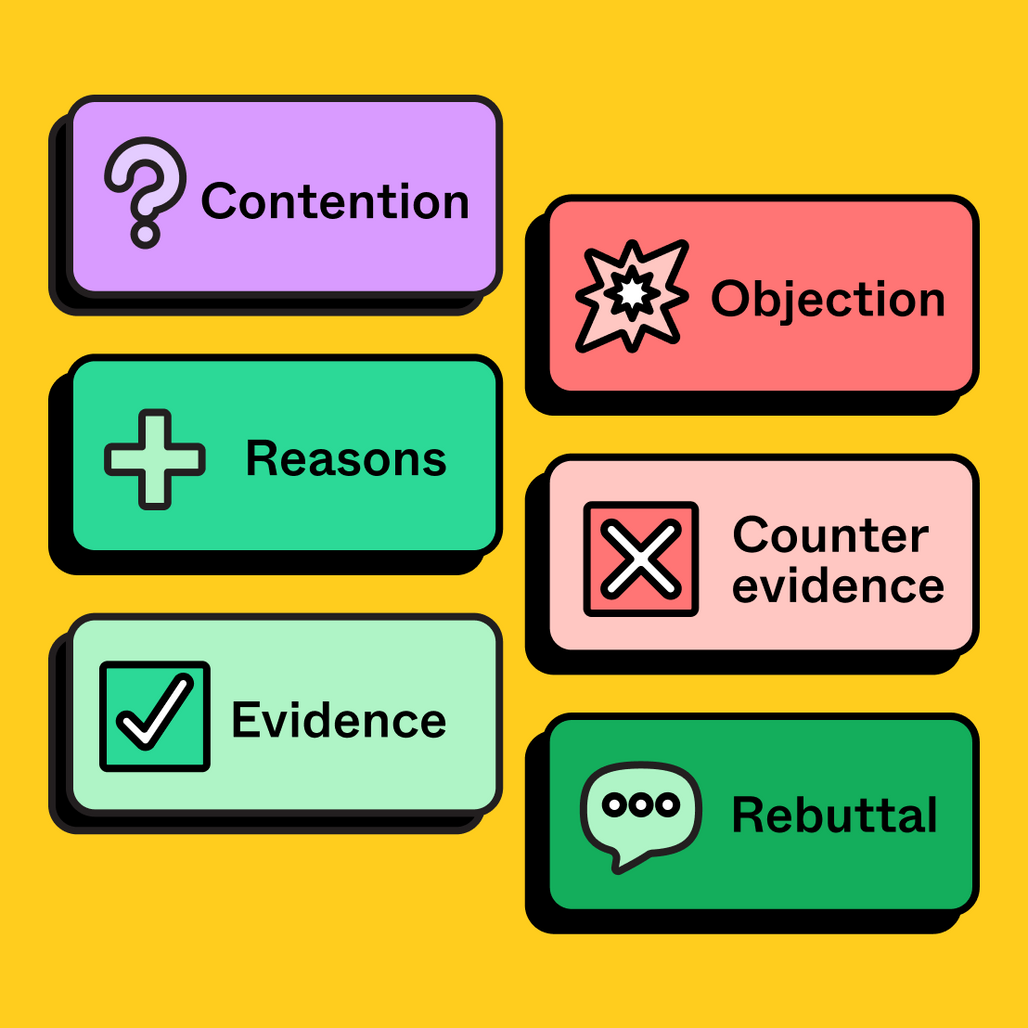
Argument Mapping Free Template FigJam
Having An Argument Involves Two Or More Individuals Responding To One Another's Claim And Support For Such A Claim.
Argument An Argument Is One Or More Premises — Sentences, Statements, Or Propositions —Directed Towards Arriving At A Logical Conclusion.
An Argument Is A Disagreement Between Two Or More People, But It Can Also Be A Statement Backed By Evidence, Like Your Argument That Your School Doesn't Need A Dress Code.
Argument Is A Central Concept For Philosophy.
Related Post: